REVIEW · WAILEA MAKENA
Road to Hana: Professional Guide, Food, Swimming, Waterfalls
Book on GetYourGuide →Operated by Valley Isle Excursions · Bookable on GetYourGuide
The Road to Hāna is stressful only on paper. This guided trip replaces the white-knuckle drive with a comfy ride, big windows, and local stories as you wind through Maui’s dramatic coastline, waterfalls, and rainforest roads. I especially like the captain’s chair setup and the way the day is paced so you can actually enjoy the views instead of managing traffic.
Two things I really like: first, you get expert guidance plus safety basics—guides are CPR and First Aid certified—so you can relax while they handle stops and timing. Second, the food is part of the experience, with continental breakfast at Maui Tropical Plantation and a hot buffet-style lunch featuring Hawaiian classic huli huli chicken. I also like that guides such as Travis and Spencer (and Charleston, Uncle Joe) bring culture and plant talk into the day, not just drive-time facts.
One possible drawback to consider is that a long day (about 10 hours) plus weather can change the swimming plan. Swimming is weather permitting, and the Black Sand Beach visit at Wai’anapanapa requires a reservation, so go with the flow if conditions shift. Also, one traveler reported an air-conditioning issue on a ride that should have climate control—worth keeping in mind on a hot day.
In This Review
- Key things that make this Road to Hāna day work
- Leave the driving to the pros on Hāna Road
- The safety and pacing advantage
- The custom cruiser: big windows and real legroom
- Maui Tropical Plantation breakfast: how the day starts right
- Waterfalls, cliffs, and curated photo stops that don’t waste time
- A practical tip for photos
- The waterfall pond swim plus practical water gear
- What to do if the weather doesn’t cooperate
- Wai’anapanapa black sand beach: the big reason to come early
- How to enjoy it instead of rushing it
- Lunch time: huli huli chicken and local stops that feel real
- What you should expect from the meal
- Your guide makes the difference on Hāna Road
- How to get the most out of the storytelling
- Timing and the real schedule: an early start, a full day
- Price check: is $279 per person worth it?
- What to bring (so you don’t hate your own day)
- Eco-friendly tour approach: People, Culture, Environment
- Should you book this Road to Hāna tour?
- FAQ
- What is the duration of the Road to Hāna tour?
- What time is pickup and what time do we return?
- Is hotel pickup and drop-off included?
- What meals are included?
- Is swimming included on the tour?
- Does the tour include entry to Wai’anapanapa black sand beach?
- Do I need cash during the day?
- What should I bring for the swimming and beach stops?
Key things that make this Road to Hāna day work
- Hotel pickup and drop-off included, with an early start (pickup 6:00–7:30am)
- Custom-built 12-passenger cruisers with oversized windows, elevated seating, and extra legroom
- Breakfast at Maui Tropical Plantation plus a farm-to-table style start to the day
- Carefully chosen stops for photos, waterfalls, cliffs, and botanical points of interest
- Swimming included: a fresh-water waterfall pond dip and Wai’anapanapa black sand beach (reservation included)
- Cold bottled water and juice during the day, plus hot buffet-style lunch (meal options for some dietary restrictions)
Leave the driving to the pros on Hāna Road
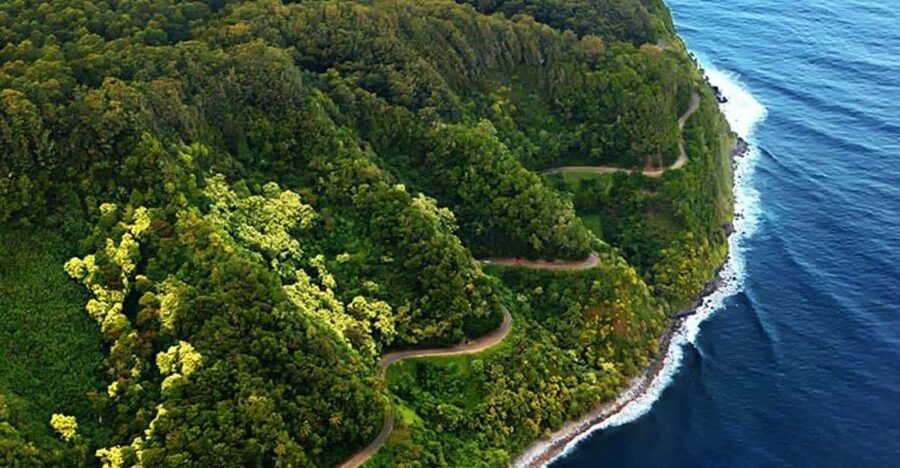
The Road to Hāna is famous for a reason, but it’s also famous for being intense. If you’ve ever looked at the map and thought, I can do this, the biggest gift of this tour is removing that stress from your day. You’ll ride in a custom 12-passenger cruiser, and the guide drives while you watch Maui roll by through oversized windows.
That changes how you experience the route. Instead of gripping the wheel and negotiating tight turns, you’re free to notice details like roadside plants, coastline shapes, and where a waterfall is going to show up around the next bend. The company also curates stops so you’re not spending time guessing where to park or wandering into places that are private, culturally sensitive, or unsafe.
You can also read our reviews of more tours and experiences in Wailea Makena.

The safety and pacing advantage
This tour doesn’t just say it’s guided—it builds in real support. Guides are CPR and First Aid certified, and the group stays together on a schedule designed for a day that runs roughly 10 hours. I like that the day isn’t framed as rush-and-sprint. The rhythm is built for stopping often enough to make it worth the trip, without feeling like you’re trapped in long stretches with nothing to look at.
One more note: the day is structured around seeing the best of the region, not covering every road in sight. That matters, because the Road to Hāna can swallow an entire vacation day if you’re trying to self-drive and improvise.
The custom cruiser: big windows and real legroom
The vehicle is one of those details that changes comfort more than people expect. This is a custom-built 12-passenger cruiser made specifically for the Road to Hāna, with elevated floors and plenty of legroom. You’ll sit up in an almost “watch Maui” position, not hunched into a cramped seat.
Here’s what that feels like in practice:
- You can keep your eyes forward for photo moments without leaning around someone.
- The oversized viewing windows make it easier to capture clear shots of cliffs, waterfalls, and ocean shorelines.
- Elevated seats help when you’re trying to see over the curve of a road or across a shoreline.
The tour description includes climate control. Still, keep expectations realistic: one traveler reported no A/C for a 12-hour ride. That’s not the norm you should plan around, but it’s smart to remember that road trips can vary day to day.
Maui Tropical Plantation breakfast: how the day starts right
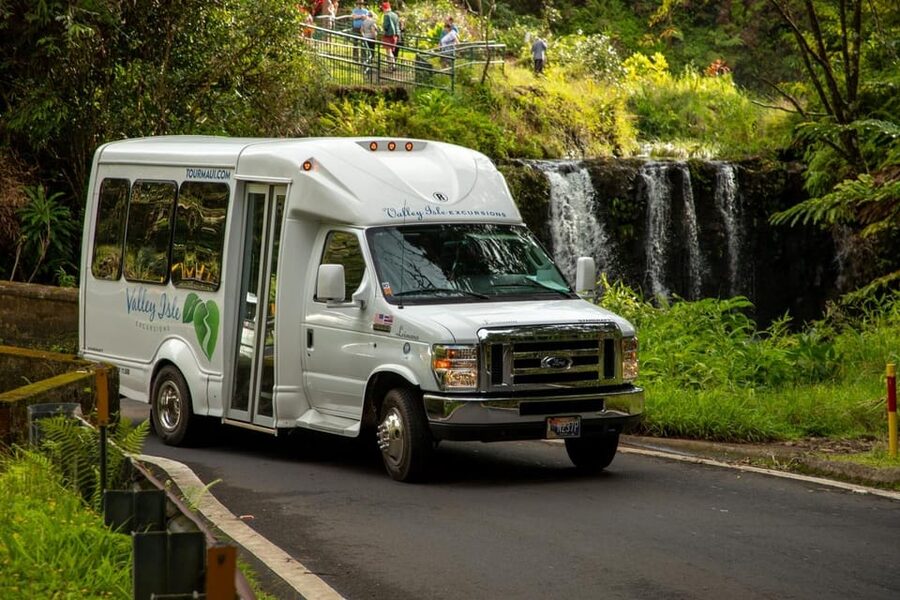
The tour begins with continental breakfast at Maui Tropical Plantation. This isn’t just fuel before the winding road—it sets the tone. You start early, and you’re eating before the day becomes all motion and stops.
What’s valuable here is the mix of:
- Food you don’t have to pack or manage
- A scenic start before you’re bouncing from one photo stop to another
- A chance to settle in and meet your guide properly while everyone’s still fresh
And because the tour emphasizes a farm-to-table style approach, the meal fits the theme of the day: local food, local farms, and that “slow down” feeling Hana is known for.
Waterfalls, cliffs, and curated photo stops that don’t waste time
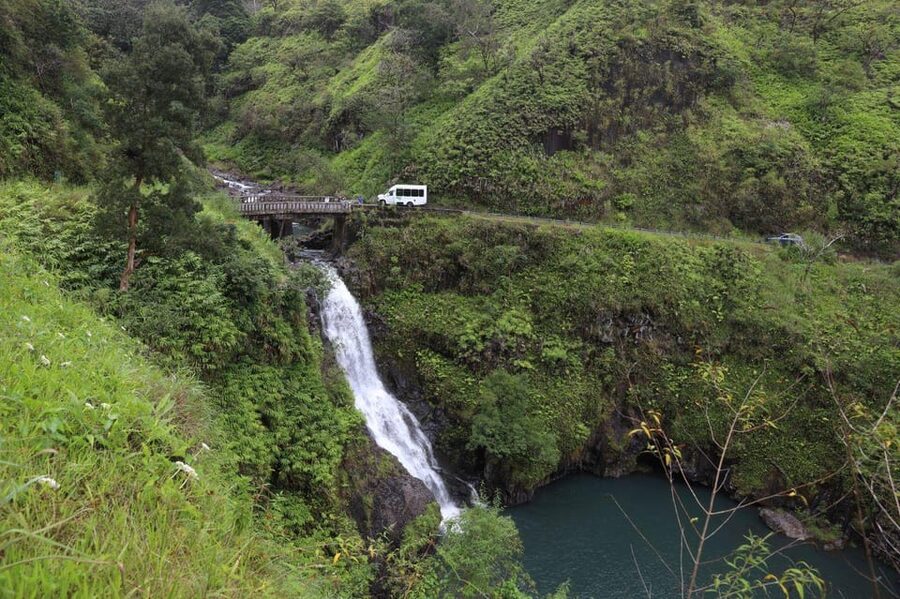
Once you’re on the road, the guide’s work becomes obvious. The stops are “carefully curated,” meaning you’re more likely to hit places that are worth the time and safer for visitors, rather than chasing a random pull-off.
You can expect photo opportunities focused on:
- Waterfalls
- Sea cliffs and dramatic coastline angles
- Lush areas and botanical points of interest
- Unique ocean shoreline views
This matters because many Road to Hāna stops are popular for a reason—but also crowded. A good guide helps you time those moments, and several guides mentioned in the provided experience feedback (like Travis and Spencer) are praised for finding spots away from the heaviest crowds. The result is less waiting around and more actual moments where you can breathe, take photos, and enjoy the setting.
A practical tip for photos
Bring your phone charged (the tour explicitly asks for a charged smartphone). Big windows and repeated pull-offs mean you’ll want to capture both quick shots and video clips. Also bring a jacket. Even in Maui, early mornings and misty waterfall areas can feel cooler than you expect.
The waterfall pond swim plus practical water gear
One of the most memorable parts of this tour is the included swimming time. Weather permitting, you’ll get a refreshing dip in a fresh-water pond at a waterfall. It’s one of those experiences that turns a scenic drive into a full-on Maui moment you’ll remember later.
Because swimming is included (when conditions allow), the tour gives you a clear packing list:
- Swimwear
- Towel
- Water shoes
That last item is the difference between “fun dip” and “why does my foot hurt.” Water shoes help with rocky edges and slippery surfaces around waterfall areas.
What to do if the weather doesn’t cooperate
Swimming is weather permitting, and you’ll see that same theme again with the Wai’anapanapa visit. If it’s foggy, rainy, or conditions change, don’t assume you’ll still get full swim time. Your best move is to plan mentally for the scenery and treat swimming as a bonus.
Wai’anapanapa black sand beach: the big reason to come early
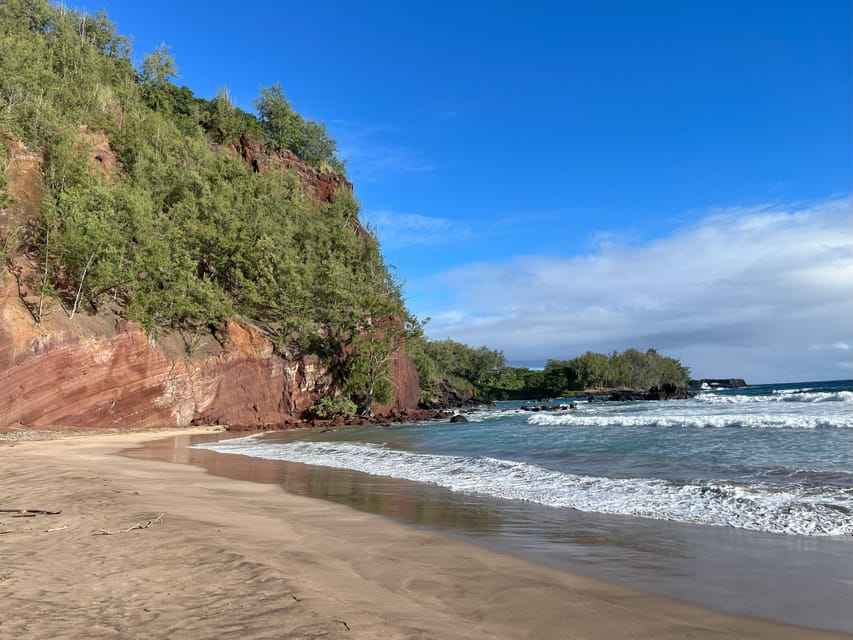
The Wai’anapanapa State Park stop is the headline for many people, and this tour builds in the key detail: reservations and entry fees are included. That reduces friction, and it also helps you avoid the most frustrating parts of trying to do this on your own.
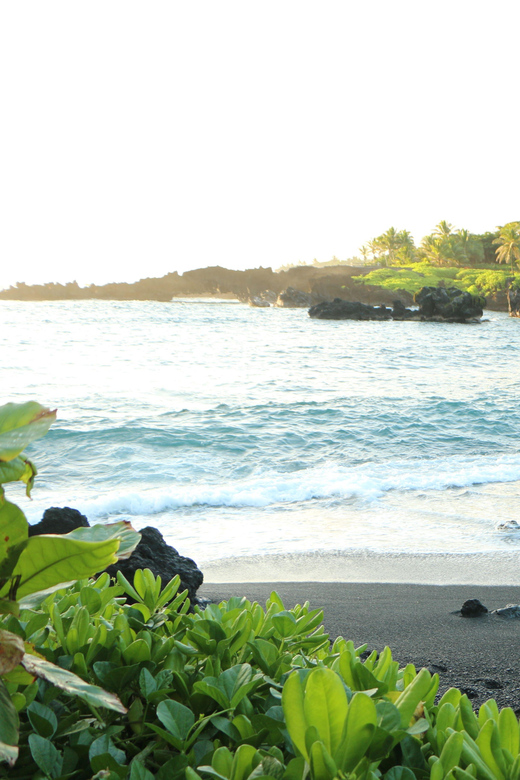
This is the spot for the unique black sand beach of Wai’anapanapa. If weather permits, you’ll also get time to swim. The black sand is dramatic in photos, but it’s the contrast—the dark shore against the bright ocean—that makes it special even in person.
How to enjoy it instead of rushing it
Even with a reservation, this can still feel like a “go-go” place if you’re not careful. Your goal is to slow down during walk time:
- Take a few minutes to look around before you jump straight into the sand.
- Spend time near the shoreline for sea-cliff views.
- Bring your phone and camera ready, because you’ll get more than one angle worth capturing.
Also, because the Road to Hāna area has limited connectivity, bring your money—more on that next.
Lunch time: huli huli chicken and local stops that feel real
You’ll get a hot buffet-style lunch featuring Hawaiian classic huli huli chicken. The tour notes that substitute meal options are available for some dietary restrictions, which is a solid practical touch for groups.
One traveler referenced eating at Aunties by the botanical garden, and that lines up with what this kind of stop usually aims for: a meal in a place that feels part of the environment, not just a roadside pit stop. Either way, the big win is simple: you don’t have to figure out where to eat while driving a route that already demands full attention.
What you should expect from the meal
- It’s included, so you’re not hunting for cash-only lunch later.
- It’s served buffet-style, so you can move at your own pace.
- It’s timed as part of the day’s rhythm, not bolted on randomly.
If you’re traveling with teens or a family, this included lunch can also be the moment everyone finally settles down and stops “planning the next stop” in their heads.
Your guide makes the difference on Hāna Road
This is where the best feedback consistently points. The guides aren’t just pointing out where to stand for pictures. They’re sharing history, culture, and plant details that help you make sense of what you’re seeing.
Specific guide names in the provided experiences include:
- Uncle Joe (praised for thoughtful, family-like hospitality and plant/culture knowledge)
- Travis (praised for authentic local insights and stories that give a feel beyond basic sightseeing)
- Spencer (praised for history, culture, hidden-spot thinking, and away-from-crowds photo timing)
- Charleston (praised for culture and wildlife info)
I like this approach because it turns the drive into something you can talk about later. You’re not just collecting views; you’re collecting context.
How to get the most out of the storytelling
Here’s the simple strategy: ask small questions when the moment fits. If the guide points out a plant, ask what people use it for. If you see a shoreline or waterfall, ask what conditions affect it. Those answers are usually the most memorable parts of a Hana day.
Timing and the real schedule: an early start, a full day
The tour runs about 10 hours, with pickup between 6:00 and 7:30am and return between 5:00 and 6:30pm (varies).
That long day can be a pro or a con depending on your travel style:
- If you like structured days and want the most value per hour, it’s perfect.
- If you hate early starts or you’re the type who wants long unplanned downtime, you might find it tiring.
Still, the schedule makes sense. Many of the best Hana experiences come earlier in the day, and you’re also fitting in breakfast, a series of curated stops, lunch, and the Wai’anapanapa reservation.
Price check: is $279 per person worth it?
$279 per person sounds steep until you look at what’s included. This price covers:
- Hotel pickup and drop-off
- Breakfast and hot buffet-style lunch
- Water and juice
- Swimming activities (weather permitting) and Black Sand Beach entry via reservation
- A custom vehicle built for the route’s comfort needs
- Trained guides with CPR and First Aid
For comparison, the hidden cost of self-driving is usually your time and effort, plus meal hunting, plus access fees, plus safety stress. When you add it up, this tour is a way to buy back mental energy.
Where you’ll feel the best value:
- You’re booking because you don’t want to drive the twisty route yourself
- You care about the Wai’anapanapa stop and want reservation coverage
- You want included meals so your day doesn’t revolve around logistics
If you’re the kind of traveler who loves independent planning and is comfortable handling the Road to Hāna on your own, you might compare total costs. But if you’d rather pay for comfort and coordination, this price can be easier to justify.
What to bring (so you don’t hate your own day)
The tour’s packing list is practical. Don’t treat it like a suggestion—treat it like a “don’t ruin it” checklist.
Bring:
- Swimwear
- Towel
- Camera
- Jacket
- Water shoes
- Cash
- Charged smartphone
And bring cash because the tour specifically notes there’s no WiFi along the road, and many roadside vendors are cash-only. If you’ve ever tried to use a card on a remote island road, you already know how quickly that turns into stress.
Also, you may want to keep your phone ready for photos and quick planning, since connectivity can be spotty.
Eco-friendly tour approach: People, Culture, Environment
This isn’t just marketing language in the description. The company positions itself as eco-friendly with sustainable tourism certification and says touring with them aligns with People, Culture, and Environment.
In practical terms, the value shows up in the way stops are handled. The tour aims to avoid unsafe places, private property, and culturally sensitive areas. That kind of restraint matters in Maui, where natural areas can be damaged quickly when people treat them like a free-for-all.
Should you book this Road to Hāna tour?
If you want the classic Road to Hāna experience without the driving stress, I think this tour is a strong choice. It’s especially worth it if you care about: comfort on a long day, included meals, and getting to Wai’anapanapa with reservations handled. The guide quality seems to be the main reason people rate it so highly, with Travis, Spencer, Charleston, and Uncle Joe repeatedly standing out for storytelling and local perspective.
I’d hesitate only if you’re sensitive to long days or you’re counting on swimming no matter what. Since swimming is weather permitting, go in expecting scenery first, and treat waterfall dips as a bonus. Also, if you’re very heat-sensitive, remember one report about an A/C problem—climate control is listed, but real-world conditions can vary.
FAQ
What is the duration of the Road to Hāna tour?
The tour runs for about 10 hours.
What time is pickup and what time do we return?
Pickup is between 6:00 and 7:30am. Return is between 5:00 and 6:30pm, depending on variation.
Is hotel pickup and drop-off included?
Yes. Hotel pickup and drop-off are included.
What meals are included?
A continental breakfast is included, plus a hot buffet-style lunch featuring huli huli chicken. Substitute meal options are available for some dietary restrictions.
Is swimming included on the tour?
Swimming is included when weather permits, including a fresh-water pond dip at a waterfall.
Does the tour include entry to Wai’anapanapa black sand beach?
Yes. Reservation and fees for entry into Wai’anapanapa State Park are included.
Do I need cash during the day?
Yes. Bring cash for souvenir stops and local vendors, since there is no WiFi along the road and many places operate on a cash-only basis.
What should I bring for the swimming and beach stops?
Bring swimwear, a towel, water shoes, and a camera if you want photos. The tour also suggests bringing a jacket and a charged smartphone.