REVIEW · MAUI
Kayak Whale Watch and Snorkel Hawaiian Islands Whale Sanctuary
Book on Viator →Operated by Maui Adventure Tours M.A.T., L.L.C. · Bookable on Viator
Whale songs come through a microphone. On this Maui kayak-and-snorkel outing, you paddle offshore in a small group, and the underwater hydrophone helps you hear humpbacks while you hunt for them, then you switch gears to snorkel Turtle Reef for sea turtles and schools of tropical fish.
What I like most is the mix of wildlife access and real time sound. You get snorkel gear plus life jackets and light snacks, and the guides also bring marine ecology, whale behavior, and Hawaiian history into the trip so it feels more than just paddling around.
One possible drawback: whale sightings are seasonal (December to April), and the day can shift with wind and visibility.
In This Review
- Key takeaways before you go
- Olowalu launch: the setting that makes this feel like a real expedition
- How the 4-hour day usually plays out on Maui
- Whale watching with a hydrophone: why this tour feels different
- Stop at Turtle Reef: sea turtles, fish, and the snorkel setup
- The whale season window: plan around December to April
- Guides and group dynamics: where your experience can rise or wobble
- Paddling reality check: wind, sun, and keeping everyone safe
- What’s included (and what to rent if you want the footage)
- Price and value: does $119 match what you get?
- Who this kayak-and-snorkel trip suits best on Maui
- Quick verdict: should you book this Maui whale watch and snorkel?
- FAQ
- What time does the tour run?
- Where does the tour start and end?
- When can I expect to see humpback whales?
- Are sea turtles part of the experience year-round?
- What’s included in the price?
- Do I need prior kayaking or snorkeling experience?
Key takeaways before you go
- Live humpback song via underwater hydrophone
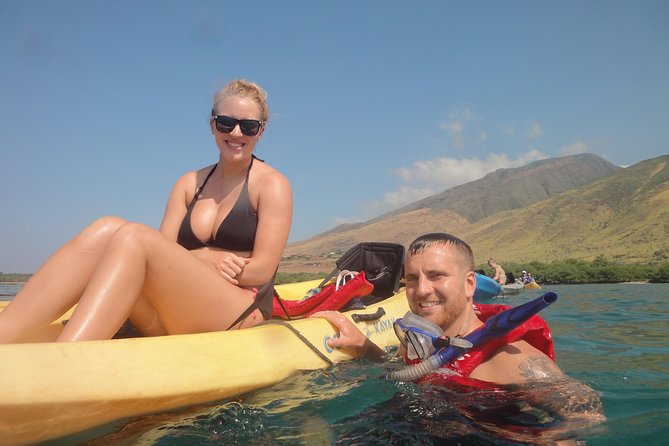
- Snorkeling Turtle Reef’s turtle cleaning station
- Small group size that can mean more attention on the water
- West Maui Mountain views from your kayak route
- Included life jackets, snorkel equipment, snacks, and bottled water
- Underwater digital cameras available to rent if you want it
Olowalu launch: the setting that makes this feel like a real expedition
This tour is based in Olowalu on Maui, starting and ending at the same meeting spot near R95V+Q8 and R95V+Q89. You’ll want to arrive early because parking can be an issue on a busy day, and you don’t want to be rushing when it’s time to get your gear sorted.
The best part of starting here is the scenery right away. Once you’re out, you’ll be looking toward the West Maui Mountains while you paddle, and that blend of mountains + open water helps the day feel special even before you see wildlife.
You can also read our reviews of more whale watching tours in Maui

How the 4-hour day usually plays out on Maui
Expect roughly 4 hours total, starting at 8:00 am and running until about 11:30 am (Monday through Saturday). Even though you’ll be out on the water for less time than the full tour window, the schedule is built to cover launching, paddling to the whale area, snorkeling at Turtle Reef, and getting everyone back to the beach with gear collected.
One useful reality check: the “time on the water” is often closer to about 2 to 2.5 hours, with the rest going to gear handout, launching, and landing. That matters because this is a hands-on activity day, not a quick in-and-out.
Whale watching with a hydrophone: why this tour feels different
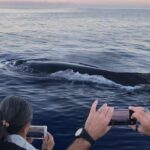
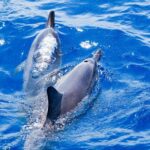
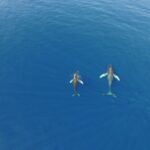
Most whale watching is visual. This one adds sound, and that changes the whole experience. The tour uses an underwater hydrophone so you can hear humpbacks sing live while you’re offshore in the Hawaiian Islands Humpback Whale National Marine Sanctuary (whale season is December through April).
When whales are nearby, you can get that slow, eerie feeling of being out in silence and then suddenly hearing the ocean’s soundtrack. Even on days when whales stay farther out, the hydrophone can still help you connect whale behavior to what you’re seeing.
Do keep expectations realistic: humpbacks don’t show up on command. Some days you might have close sightings and even energetic moments, and other days whales may be shy and remain at a distance. The kayak approach still gives you a different kind of closeness than a big boat, but it doesn’t guarantee a guaranteed front-row seat.
Stop at Turtle Reef: sea turtles, fish, and the snorkel setup
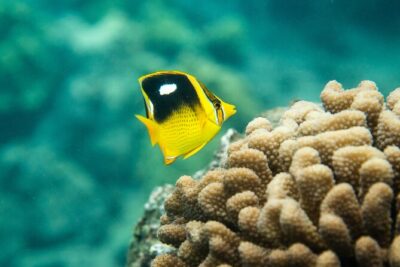
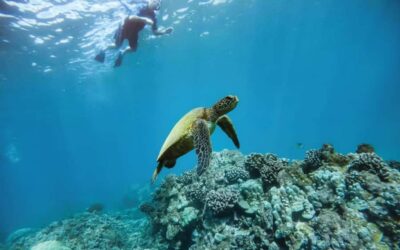
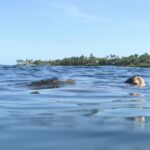
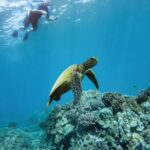
The snorkeling portion is centered on Turtle Reef at the Olowalu Beach Reserve. This is a turtle-focused experience year-round, with sea turtles at the cleaning station, plus lots of colorful tropical fish.
Practically, you’ll want to plan for some time with your face in the water and a bit of positioning. Snorkeling conditions can vary: one guest noted murkier water on their day. That doesn’t ruin the activity, but it can change what you can clearly see, especially if visibility is limited.
Also, don’t assume the reef will be right under you. There are moments when the water can feel deep enough that you’re more “floating above life” than “hovering inches from coral.” That’s still enjoyable, especially if turtles surface nearby, but it’s good to know so you’re not expecting a shallow, clear textbook scene every time.
The whale season window: plan around December to April
If humpbacks are your main reason for booking, this tour lines up best with December through April. Outside those months, the “whale watch” part may not deliver the way the title suggests, and you’re mostly relying on turtles and fish.
This seasonal timing is important for value. At $119 per person, you’re paying for the combined kayak + snorkel format plus the whale-specific tools (like the hydrophone) during the correct time of year. If you’re traveling outside the humpback season and whales are the top priority, you might want to double-check whether you’re comfortable with the trip being more turtle-and-fish focused that day.
A few more Maui tours and experiences worth a look


Guides and group dynamics: where your experience can rise or wobble
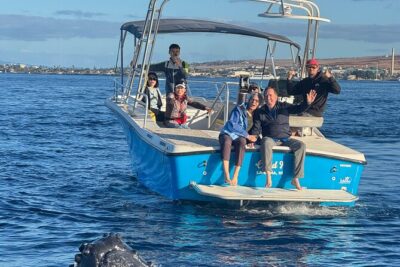
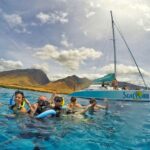
Small group size is one of this tour’s strong selling points, and you feel that once you’re out. With fewer people in the water, you’re more likely to get personal help adjusting snorkel gear, climbing back into the kayak, and staying on route.
I also like that the guide team often brings a mix of practical wildlife talk and local context. Names like Lance, Wesley (often referred to as Wes), and Red come up in accounts of the trip, with guests describing guides who explain whale behavior and Hawaiian history, and who stay patient with first-timers.
That said, this is still a small operation, and a few sharp reviews mention problems like late starts, confusing instructions, and bickering between guides during setup or snorkeling. Those negative stories aren’t the norm in a 4.4 rating, but they are a real reminder: your guide style can shape the mood of the day.
My practical advice: be ready for basic coaching. If you’re new to kayaking, pay close attention to how they want you to enter and exit the kayak, and don’t be afraid to ask for a clearer demo. One guest specifically wished both guides showed an example of jumping out and getting back in, which is the kind of detail that can save stress later.
Paddling reality check: wind, sun, and keeping everyone safe
This tour needs moderate physical fitness. You should expect real paddling. One review called out that you need to be prepared to paddle a lot and to spend time exposed to sun, so bring your own strategy for staying comfortable.
Wind is another big factor. One guest reported a kayak capsizing when winds were very high, and they felt help was slow for their situation. In response, the operator stated they only go out if wind forecast is under 20 mph, which suggests they’re trying to manage conditions—but weather still has the final say.
So how do you prepare mentally?
- Bring a calm, flexible attitude. Wildlife tours can shift with conditions.
- Don’t treat this as effortless. Even if you’re experienced swimmer comfortable in water, you still need paddling endurance.
- If you’re prone to motion sickness, know that at least one group reported sea sickness during their trip.
What’s included (and what to rent if you want the footage)
Included:
- Professional guide
- Life jackets
- Snorkel equipment
- Light refreshments and snacks
- Bottled water
There’s also an option to rent HD underwater digital cameras, which is great if you want to capture turtles and fish without trying to hold a phone in the water.
About food: don’t expect a full meal. Multiple guest comments describe light snacks rather than anything heavy. Plan on eating before you go, and treat the included snacks as a bonus rather than your main fuel.
Price and value: does $119 match what you get?
At $119 per person, you’re not just paying for gear rental. You’re paying for:
- Guided kayaking and route management
- Snorkeling help and safety in a designated area
- Wildlife expertise (marine ecology, whale behavior, and local history)
- The whale-season hydrophone experience (December to April)
- A small-group format that can reduce the “herding” feeling
So when does it feel like a bargain? When the day delivers turtles plus whales close enough to notice behavior, and when the guide team keeps everyone comfortable and informed. Guests who got multiple humpback sightings and also snorkeled with turtles described it as a top highlight of their Maui trip.
When does it feel expensive? When whales are distant or absent due to season, or when service problems show up like delays, unclear instruction, or wasted time waiting during setup. A couple negative reviews also complained about snack portions, which matters at this price point.
My take: $119 makes sense if you’re traveling during whale season and you want the guided kayak-and-snorkel combo. If you’re going outside humpback months, compare what you’re really buying: a turtle-focused snorkel day plus kayaking, with the whale component potentially turning into mostly sound-and-search rather than frequent sightings.
Who this kayak-and-snorkel trip suits best on Maui
You’ll probably love this if:
- You want a more hands-on wildlife experience than a boat-only whale tour
- You’re okay doing active paddling for a few hours
- You’re traveling with kids age 5 and up (and you’re supervising as required)
- You want a guide who talks marine life and gives you context, not just “follow me”
It may be less ideal if:
- You’re chasing whales with no flexibility outside December to April
- You’re extremely wind-sensitive or you don’t do well with open-water conditions
- You want minimal physical effort and mostly lounging (this is paddling plus snorkeling)
Quick verdict: should you book this Maui whale watch and snorkel?
Book it if you’re going between December and April and you want the special twist of hearing humpbacks sing through the hydrophone while kayaking in a smaller group. The Turtle Reef snorkeling component is strong year-round, and the included gear, snacks, and guide support make it easy to show up without a lot of planning.
Pass or rethink if you’re traveling outside whale season or if you know you need very strict timing and crisp instruction to enjoy a tour. In that case, you may feel the price more sharply if wildlife or service doesn’t line up with your hopes.
FAQ
What time does the tour run?
It starts at 8:00 am and operates Monday through Saturday, ending around 11:30 am. Sundays and holidays are closed due to Hawaii state rules.
Where does the tour start and end?
It starts at the Olowalu meeting point near R95V+Q8 Olowalu (and R95V+Q89 Olowalu) and ends back at the same meeting point.
When can I expect to see humpback whales?
Whale watching is available December through April in the offshore waters of the Hawaiian Islands National Humpback Whale Marine Sanctuary.
Are sea turtles part of the experience year-round?
Yes. Turtle sightings are described as year-round, with snorkeling at the turtle cleaning station.
What’s included in the price?
You get a professional guide, life jackets, snorkel equipment, bottled water, and light refreshments/snacks. HD underwater digital cameras are available for rent if you want them.
Do I need prior kayaking or snorkeling experience?
No experience is necessary, and the tour is listed as suitable for ages 5 and up. You should have moderate physical fitness for paddling and getting in and out of the kayak.