REVIEW · MAUI
Maui: Famous Road to Hana Waterfalls and Lunch by Mercedes Van
Book on Viator →Operated by Stardust Hawaii, LLC · Bookable on Viator
Road to Hāna without the driving stress. This all-day, fully-chauffeured trip turns the Hana Highway into a guided photo walk through waterfalls, beaches, and Hawaiian stories, starting with early pickup from your Maui area. I love that you’re not focused on the road’s 617 curves and 56 one-lane bridges, and I especially like the picnic lunch and snacks that keep you fueled instead of hunting for food.
The best part is the pace: you get time at the major stops, plus a guide in the Sprinter van who helps you understand what you’re seeing. The one real drawback is the schedule and roads: this is a long day, and if you’re sensitive to motion on curvy drives, you’ll want to plan for it.
In This Review
- Key highlights you’ll feel all day
- Road to Hāna, minus the white-knuckle driving
- Timing: why the 5:45am start changes the whole day
- Paia and Ho‘okipa: the north-coast warm-up before the rainforest
- Twin Falls and Haipua‘ena: waterfall pools, different crowd levels
- Ke‘anae Point and Aunty Sandy’s banana bread: culture you can taste
- Upper Waikani Falls, Wailua Falls, and the easy photo wins
- Lava-tube talk: learning Maui’s “underground plumbing”
- Wai‘anapanapa State Park: the black-sand beach hour
- Pua‘a Ka‘a: waterfall access with a realistic “dress for it” warning
- Wailua Valley, Honomanu, Kaumahina, and rainbow eucalyptus moments
- Lunch and snacks: staying comfortable on a long curvy day
- Motion sickness and comfort: small prep that makes a big difference
- Price and value: is $249.99 actually fair?
- The guides: what makes the narration worth it
- Should you book? Here’s my straight answer
- FAQ
- What time does the Road to Hana tour start?
- How long is the tour?
- Is hotel pickup included?
- Where do I meet if my hotel is not in the pickup list?
- What lunch and drinks are included?
- Are there vegan or allergy-friendly meal options?
- Will there be time to swim at the waterfalls or beaches?
- How many people are on the tour?
- What if the tour is canceled due to weather?
Key highlights you’ll feel all day
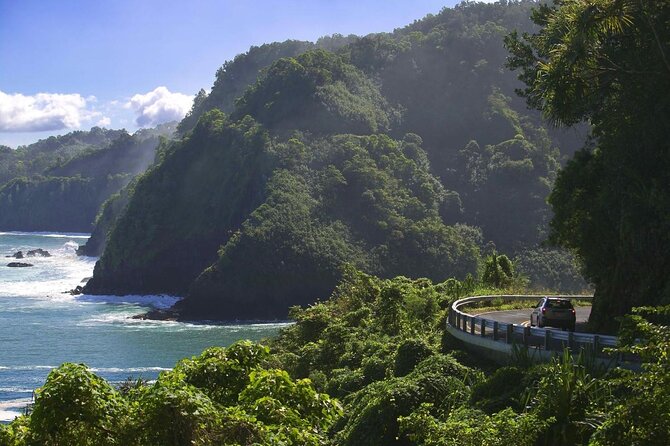
- Small group (max 14) in an air-conditioned Sprinter van, so the day feels controlled, not chaotic
- Early start with pickup options, designed to get you to the good spots before the heaviest crush
- Wai’anapanapa State Park for a black-sand beach and some breathing room to explore
- Ke‘anae Peninsula stops for taro-farm views and Aunty Sandy’s hot banana bread
- Waterfall time with real swimming opportunities, including spots like Pua‘a Ka‘a
- On-the-road nourishment: sandwiches, pastries, water, and Hawaiian cane juice
Road to Hāna, minus the white-knuckle driving
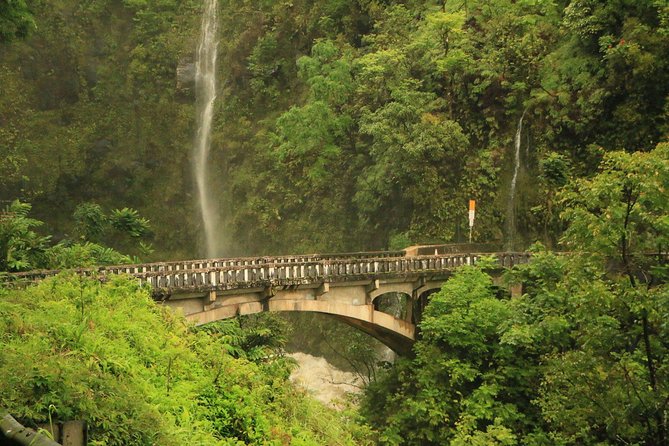
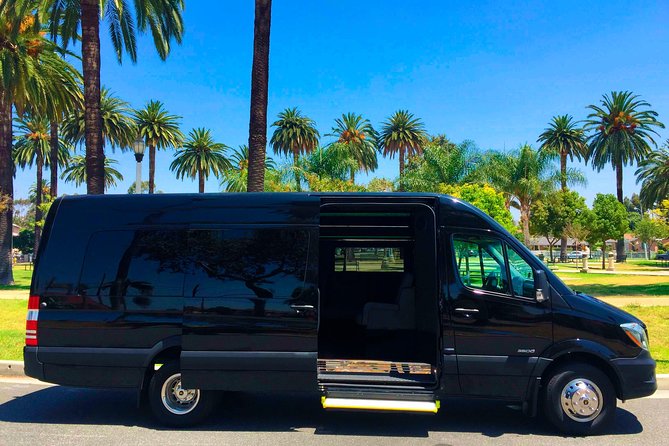
Let’s be honest: the Road to Hāna is famous for a reason, and it’s not just the scenery. It’s the drive itself. This tour uses an air-conditioned Sprinter van and a driver who handles the route start to finish, which matters because the road features tight turns and one-lane bridges—the kind of details that turn sightseeing into stress if you’re behind the wheel.
What you gain is attention. When someone else is steering, you can actually look out the window when the coastline opens up, notice the lush rainforest, and listen when your guide explains the cultural stories tied to the places you’re stopping. In this part of Maui, the best moments often happen while you’re moving between stops, not only once you park.
A few more Maui tours and experiences worth a look

Timing: why the 5:45am start changes the whole day
Your day begins early, with a listed start time of 5:45am. Pickup timing depends on where you’re staying, and the meeting points vary by area. The tour is also long—about 9 to 10 hours—so you’re trading a full morning for a full day of stops that typically run in a logical loop eastward and then back again.
That early departure is one of the smartest parts of this style of tour. You get to major viewpoints and parks while conditions are calmer and before your afternoon return is eaten up by traffic. One practical note: this kind of day is easier if you pack layers for the morning chill and keep snacks handy for the long stretches.
Paia and Ho‘okipa: the north-coast warm-up before the rainforest
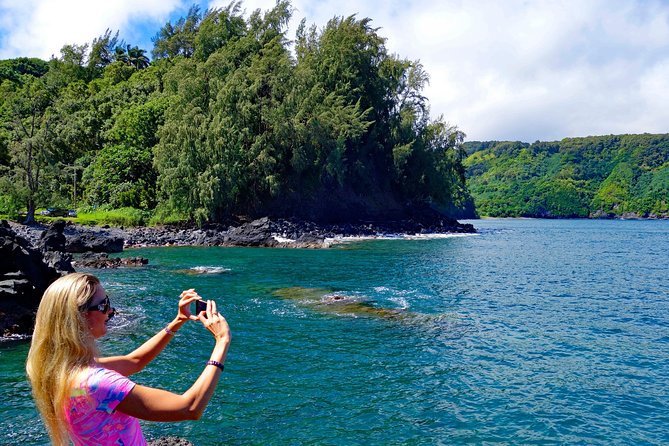
The route usually includes a quick look at the Maui north coast early on. One stop is Paia, a historic town split into Lower Paia and Paia, with colorful storefronts and a vibe that still nods to the island’s sugar-cane past. Even if you only roll through for a short moment, it’s a useful contrast before the road narrows into jungle and waterfall country.
Next up: Ho‘okipa Beach Park. This is known as a windsurfing hub—watch windsurfers and kiteboarders work the shoreline winds. It’s also a Hawaiian green sea turtle spot, with turtles often seen along the beach. Even if you’re not a wave-chaser, this stop is a nice reset because it’s open, scenic, and easy to enjoy without requiring much walking time.
Twin Falls and Haipua‘ena: waterfall pools, different crowd levels
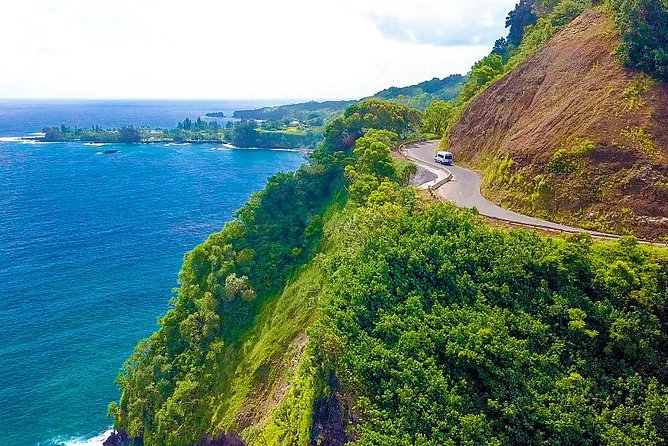
Once you’re deep on the Hana side, the waterfalls become the main event. Twin Falls is described as the first easily accessible string of waterfalls and pools on the Road to Hāna. It’s the kind of stop that works for quick exploring and photos, and it gives you that early wow-factor before you move into larger or more famous sites.
A bit farther along, Haipua‘ena Falls is a smaller waterfall and pool, and it tends to see fewer visitors. The difference here is the trail situation: it has an unsigned trail and a short hike over a path that can be muddy. If you like a quieter swim-and-walk vibe, Haipua‘ena can be worth it. If you prefer an easier, more direct access route, you’ll still get plenty of waterfall time elsewhere.
Ke‘anae Point and Aunty Sandy’s banana bread: culture you can taste
Ke‘anae Point is one of the stops that makes the day feel more than scenic driving. This is where small Hawaiian villages show what daily life has looked like for generations—hunting pigs, and growing taro, breadfruit, and bananas are part of the picture here. You’ll also get a view over one of the largest taro farms in Hawaii, which helps you understand why these landscapes are tied to food, family, and tradition.
Then comes the snack stop almost everyone remembers: the Half Way to Hāna Banana Bread stand, run by the Aunty Sandy’s family food stand. Aunty Sandy Hueu started baking banana bread in Keʻanae back in 1983, and later her daughter Tammy joined the business. The bread is positioned as a must-stop for people who want something hot, fresh, and very local-feeling—exactly the kind of roadside treat that tastes better when you’re already wet from waterfall mist.




Upper Waikani Falls, Wailua Falls, and the easy photo wins
This tour isn’t only about the big-ticket stops. It also strings together practical waterfall viewpoints you can enjoy without needing a long hike every time.
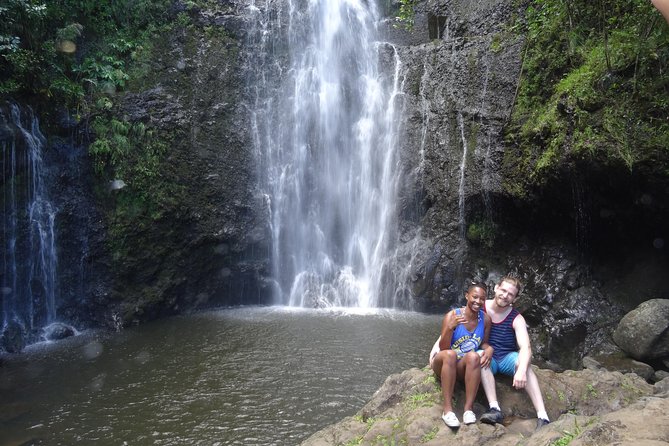
Upper Waikani Falls is often referred to as Three Bears because there are three separate but parallel falls of different lengths. The smallest one is called the “baby bear” on the right. It’s a useful stop if you like variety: you get multiple falls in one look rather than just one drop.
Wailua Falls is described as an easily accessible waterfall you can see right from the Hana Highway—so you don’t have to plan for extra walking here. This is the kind of stop that helps you keep energy for the rest of the day, especially when weather or water levels affect how long you spend at earlier pools.
Lava-tube talk: learning Maui’s “underground plumbing”
Between stops, your guide will explain how Maui’s volcanic landscape formed, including how lava tubes work. The idea is simple but cool: molten lava can leave an insulating channel as it cools on the surface, then later the tube can collapse over time, leaving fewer accessible examples.
The tour information highlights Ka’eleku Cave as the largest known accessible lava tube on Maui. You may not always get a full “tour of a cave” moment depending on the day’s route, but the geology talk is part of why a guided version feels different from self-driving. You’ll start to notice the island as a living system instead of just a postcard.
Wai‘anapanapa State Park: the black-sand beach hour
If you came for the Road to Hāna’s signature wow-factor, Wai‘anapanapa State Park is the heart of it. This stop is listed with entry included and about one hour on site.
You’re going for the black-sand beach and the dramatic cobalt ocean around it. The coastline is rugged, with blue water and lava rock from a flow only about 10,000 years ago (which is geologically recent). The park information also promises nearly 360-degree panoramic views, and that’s exactly what you should expect: you’ll see lookout angles and ocean spray that feel like they’re happening up close.
One small reality check: with only about an hour, you’ll have to choose your priorities—walk the edge for photos and views, or hang back and watch waves. You can do both in a relaxed way, but you won’t have an all-day beach session here.
Pua‘a Ka‘a: waterfall access with a realistic “dress for it” warning
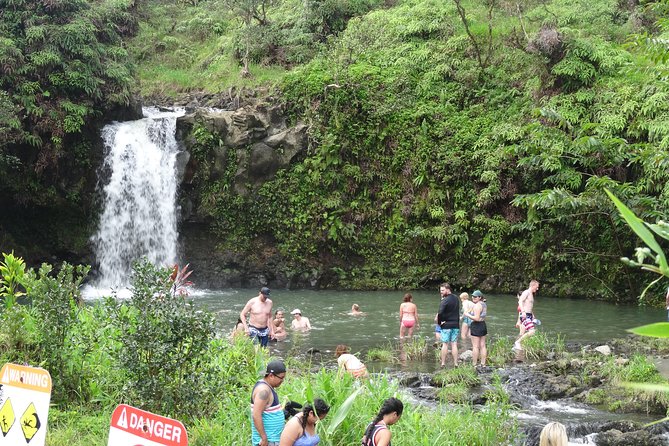
Pua‘a Ka‘a State Park is noted as fairly easy to access and offers a chance to dip in chilly waters by the waterfall on hot days. Because this is a swimming-oriented stop, the practical advice is clear: wear a swim suit layered under clothing, and bring a change of clothes. Towels are also recommended.
This is one of the places where the road-to-Hāna day can feel instantly worth it. You’re not only stopping for pictures—you’re stepping into the water, and that’s when the rainforest and waterfalls feel personal.
Wailua Valley, Honomanu, Kaumahina, and rainbow eucalyptus moments
As the road continues, you’ll get smaller stops that add meaning, not just visuals.
Wailua Valley State Wayside Park is described as an ahupua‘a rich in Hawaiian culture, with rare culturally significant fish and plants still found there. It also has ancient taro (kalo) patches, and the information ties taro to Hawaiian legend as the older brother of all Hawaiians. You’ll hear about cultivation of the land (Mahi‘ai‘ana), which makes the stop feel grounded instead of purely scenic.
Then there’s a Bay viewpoint at Honomanu, with pullout access for a look at Honomanu Bay and the Keʻanae Peninsula. Short stops like this work because they don’t drain the day. You get a clear look at the coastline and taro area from a different angle and then move on.
Kaumahina State Wayside Park is another quick forest stop, listed as 7.8 acres with forest and exotic plants. It’s also tied to small viewpoint energy—short time, good reward if you enjoy nature walks that don’t require a whole day’s commitment.
Finally, you may make a quick stop at the Eucalyptus Rainbow Trees. The bark sheds in patches, revealing multiple colors like green, blue, purple, orange, and maroon. It’s only a few minutes, but it’s memorable because the colors feel unreal against the roadside greenery.
Lunch and snacks: staying comfortable on a long curvy day
One reason this tour feels good—especially for first-timers—is that food and drink aren’t an afterthought. The included picnic-style lunch is homemade sandwiches from a local deli: ham, turkey, or veggie. Snacks and drinks are also included: water, Hawaiian cane juice, and pastries.
Two practical things to know.
First, the lunch options are limited to those sandwich choices. Second, there’s no special diet accommodation listed for raw, vegan, or food allergies. If you need something outside the provided options, you’ll need to bring your own food.
This is still good value for the money because you’re not spending your day waiting in lines, dealing with cash-only roadside stalls, or risking a late meal when the schedule gets tight.
Motion sickness and comfort: small prep that makes a big difference
The Road to Hāna can trigger motion discomfort because of the constant turns and bends. The tour guidance you’ll get through the day matters, but you can also help yourself.
If you’re prone to nausea, consider motion-sickness prep before you leave—some people use Dramamine ahead of time, and ginger chews can help. Also plan for cooler temps earlier in the day; layering works well in January and on any morning that starts before the sun is fully up.
And for waterfall pool stops like Pua‘a Ka‘a, remember the basics: bring a change of clothes and towels, and be ready for the fact that you’ll likely get wet.
Price and value: is $249.99 actually fair?
At $249.99 per person, this isn’t a cheap excursion. But you’re paying for three things that add up fast on Maui.
1) Transportation stress and cost
You’re paying to not rent a car and not drive the 617-curve route yourself. If you’ve tried Hana driving before, you already know how expensive the stress is—time-wise and mentally.
2) A guide who connects stops
The guide is doing live commentary in English and explaining mythology, history, and the meaning behind the places. In the real world, that’s often what turns “I saw a waterfall” into “I understand why this place matters.”
3) Food included
Lunch plus snacks and drinks reduce hidden spending. That’s not just convenience; it helps you stay comfortable through the long day.
Is it perfect value? Not if you have your own car and you’re comfortable driving. But for people who want a smooth day with fewer decisions and less fatigue, this pricing can feel reasonable.
The guides: what makes the narration worth it
This kind of tour lives or dies on the person driving and talking. The most consistently praised pattern in the day is the guide’s ability to make the time feel smooth and meaningful.
Guides like Rodger, Quinn, Marty, Brian, and Dom come up as strong examples, with feedback focused on how they handle narrow roads confidently and how they explain what you’re seeing—plants, culture, vegetation, and history tied to the route. I also like when the guide manages safety so you’re not guessing where to stand at viewpoints or how to approach waterfall pools.
If you’re choosing between tours, pay attention to the style: a good driver keeps the ride calmer, and a good guide keeps the stops timed so you’re not rushing or stuck waiting.
Should you book? Here’s my straight answer
Book this tour if you want the Road to Hāna experience with less driving stress, included food, and stops built around both major icons like Wai‘anapanapa and smaller culture moments like Wailua Valley and Ke‘anae.
Skip it (or at least think twice) if you hate long days, get motion sick easily, or you’re the type who wants full control over your schedule. Also note that waterfall size can vary with conditions; if you’re chasing a very specific photo expectation, plan to be flexible once you see them in person.
If you do book, I’d treat it like a full-day outing: start early, layer up, bring swim gear for the pool-friendly spots, and let the guide handle the route. That’s when this tour feels like the best kind of Maui day.
FAQ
What time does the Road to Hana tour start?
The tour start time is 5:45am. Pickup times vary by your area and specific meeting point, with some groups meeting as early as 6:00am.
How long is the tour?
It runs about 9 to 10 hours.
Is hotel pickup included?
Hotel pickup is offered for select locations. If your resort, hotel, or condo isn’t listed, you’ll meet the group at a designated pickup point.
Where do I meet if my hotel is not in the pickup list?
If you’re staying in Napili-Honokowai, Kahana, or Kapalua, you must meet at Lahaina Cannery Mall main entrance by Starbucks at 6:00am. If you’re staying in Makawao, Kula, or Paia, you must meet at Kahului Park n’ Ride at 6:40am.
What lunch and drinks are included?
Lunch is picnic style with homemade sandwiches from a local deli (ham, turkey, or veggie). Snacks and drinks included are water, Hawaiian cane juice, and pastries.
Are there vegan or allergy-friendly meal options?
No. There are no special diet options listed (including raw, vegan, or food allergies). If you have a special diet need, you must bring your own food.
Will there be time to swim at the waterfalls or beaches?
You’ll have swimming opportunities at stops described with pools and water access, including Pua‘a Ka‘a State Park (where some people take a dip) and swimming at Hana Bay’s Hana Beach Park. For pool stops, it’s advised to wear swimwear layered and bring a change of clothes.
How many people are on the tour?
The maximum group size is 14 travelers.
What if the tour is canceled due to weather?
The tour requires good weather. If it’s canceled due to poor weather, you’ll be offered a different date or a full refund.