REVIEW · MAUI
Maui: Haleakala 6-Line Zipline Adventure
Book on GetYourGuide →Operated by Skyline Hawaii · Bookable on GetYourGuide
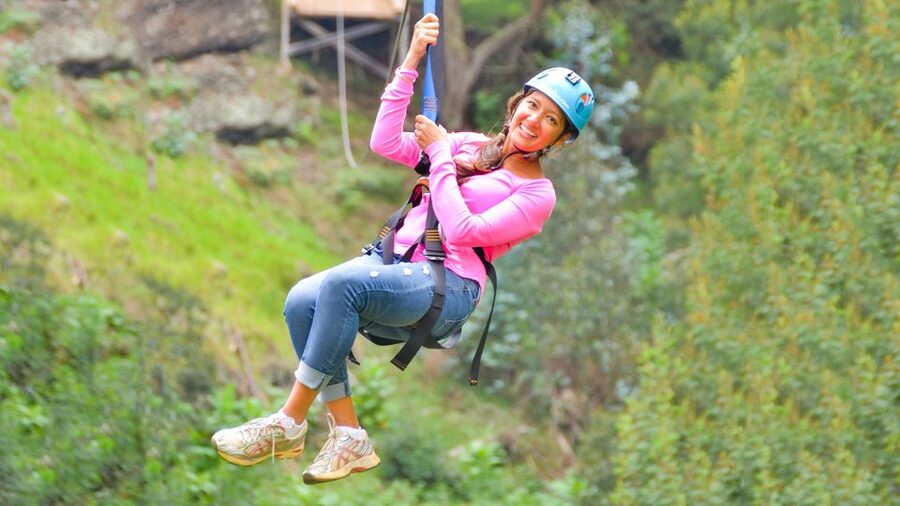
Ziplining on Haleakala feels like flight training. I love the 6-line pendulum-style course that keeps building speed over the forest, and I love the ecology lessons from your guide, where Maui ranching and conservation come up between launches. The catch: you must be ready for 2 to 3 miles of hiking at elevation on uneven ground.
Plan your gear early. You’ll need closed-toe shoes with a snug fit, and you’ll check in 30 minutes before your slot at Skyline Hawaii – Haleakala, on the road to Haleakala National Park.
Expect a staff-led setup with safety equipment, then a guided run where the first lines help you settle in before the longer ones. The highlights promise speeds over 40 miles per hour, and the views over the forest (and toward the coast) are a big part of the payoff.
In This Review
- Quick Takeaways Before You Go
- Skyline Hawaii Basecamp on Haleakala’s Slopes
- The 2-Hour Zipline Run: Six Crossings That Build Confidence
- What the Guides Actually Do (Besides Clip You In)
- Forest Views, Coast Glimpses, and the Real Speed Factor
- Conservation Talk That Doesn’t Feel Like a Lecture
- Hiking at Elevation: The Part People Underestimate
- What to Wear and Bring for a Smooth Day
- Weather, Storm Schedules, and How to Stay Flexible
- Price and Value: Is $146 Worth It?
- Who Should Book This Haleakala 6-Line Zipline and Who Should Skip
- Should You Book It?
- FAQ
- How long is the Haleakala 6-Line Zipline Adventure?
- Where do I meet for the tour?
- When should I check in?
- What should I wear or bring?
- Is a GoPro included?
- What are the age and weight requirements?
- Can children participate?
- How much hiking do you have to do?
- Who should not do this tour?
- Is there a cancellation policy?
Quick Takeaways Before You Go
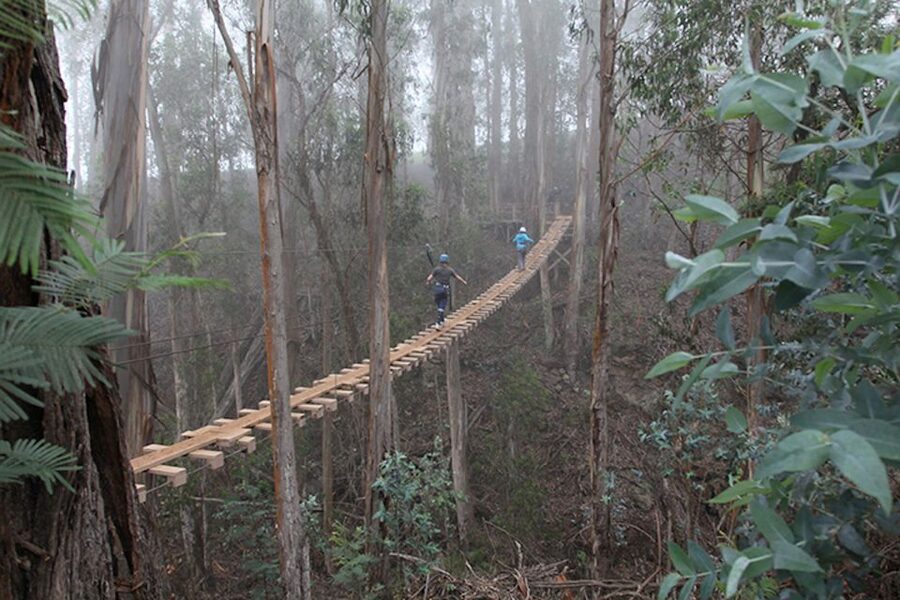
- 6 lines on Haleakala’s slopes with a pendulum-style ride that ramps up as you go
- Over 40 mph speeds are part of the thrill, not just marketing
- Guides who mix instruction with ecology so the experience feels purposeful
- Conservation funding through 1% for the Planet goes back to local environmental and charitable groups
- A real hike at elevation (2–3 miles over uneven surfaces) is required even though it’s not a long trek
- No open-toe shoes: plan for athletic or hiking shoes with fully enclosed toes and heels
Skyline Hawaii Basecamp on Haleakala’s Slopes
This zipline adventure starts at Skyline Hawaii – Haleakala. It’s up on the slopes of Haleakala volcano, on the road that leads toward Haleakala National Park. For me, that location matters because you’re not just doing an outdoor attraction in a flat parking-lot setting. You’re high enough that the air feels different, and the views make sense once you’re on the course.
The day runs for about 2 hours total, but you should think of it as a full activity block, not a quick detour. You’ll check in 30 minutes before your tour time, then get set up and briefed before you fly. Those 30 minutes are where the pace starts: you’ll get your safety equipment, you’ll meet the guide, and you’ll learn what the course feels like before you’re really hanging there waiting for the next launch.
One practical note from experience-based wisdom (not theory): the access road to this part of Haleakala can be confusing if your GPS gets dramatic. Some people have warned that ride-share drivers may not want to drive all the way up the mountain, and that GPS can route you farther than you need to go. So plan on reliable transportation and double-check the turn you need before you commit to a long uphill drive.
You can also read our reviews of more tours and experiences in Maui.

The 2-Hour Zipline Run: Six Crossings That Build Confidence
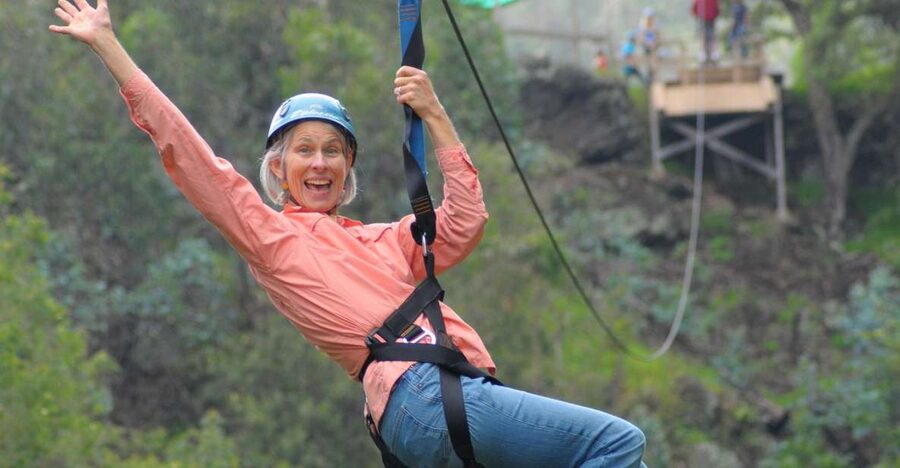
The core of this tour is a 6-line course through forested terrain on Haleakala’s slopes. The shape of the experience is simple: you’ll move from platform to platform and zip across multiple crossings, each one longer and more exciting as you progress.
Here’s what that means for you on the ground.
First, the early lines are about getting your balance and timing. Even if you’re nervous, the guide’s job is to coach you through what to do with your body—how to brace yourself, when to relax, and how to handle the moment when you’re committed and there’s no turning back. It’s not just a “go run and hope for the best” style setup. The course is built to ramp, so the first zips can help you stop thinking about the fear and start thinking about the ride.
Then the mid-course moments often feel like the course finally “clicks.” You’re still in the forest, but your brain starts grabbing details: the height, the speed, the sound, and the changing angles as the cables guide you through the trees. The highlights promise views of both the forest and the coast, and that’s the sort of thing that makes the time pass faster than you expect.
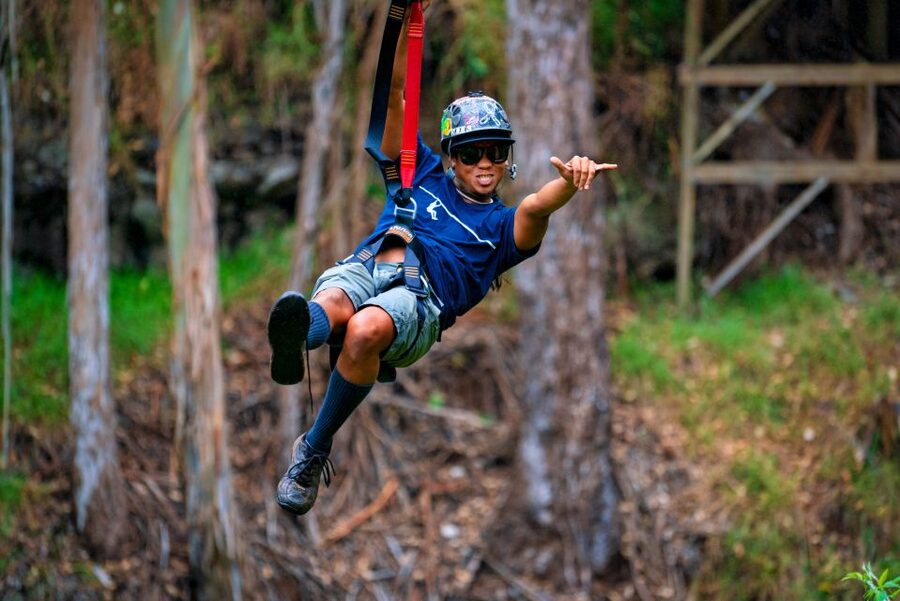
By the later lines, the tour leans into thrill. The key promise in the description is speed over 40 miles per hour, and the “longer and more exciting” note is how you should interpret the sequencing. If you’re coming for adrenaline, you’ll probably feel like the best parts are closer to the end rather than the beginning.
What the Guides Actually Do (Besides Clip You In)
A lot of outdoor tours say you’ll be “well taken care of.” This one gives you more than that. You get a live guide, plus safety equipment, and the guide role shows up in three ways: training, pacing, and energy.
Training: You’ll receive instructions for how to zip safely. The tour requires you to be able to hike 2 to 3 miles at elevation over uneven surfaces, so you’re already doing some work before you fly. The guide still matters because ziplining has a different kind of motion than hiking. Your job is to listen, follow cues, and keep the same focus from platform to platform.
Pacing: The course is designed to build. Guides help you not rush ahead emotionally. If you’re first-timer nervous, the best guides treat it like a skill you can learn in real time, not like a personality flaw.
Energy: The experience also tends to be lighthearted. In the group dynamic, you’ll often hear humor aimed at breaking the ice fast. From past tour experiences, I’ve seen guides like Meghan and Anna-lee, Chauncey and Randle, and Annalee and Eddie stand out for blending a fun attitude with steady coaching. There’s a big difference between fear and nerves that turn into panic, and the right guide helps tip that balance toward nerves that you can handle.
Forest Views, Coast Glimpses, and the Real Speed Factor
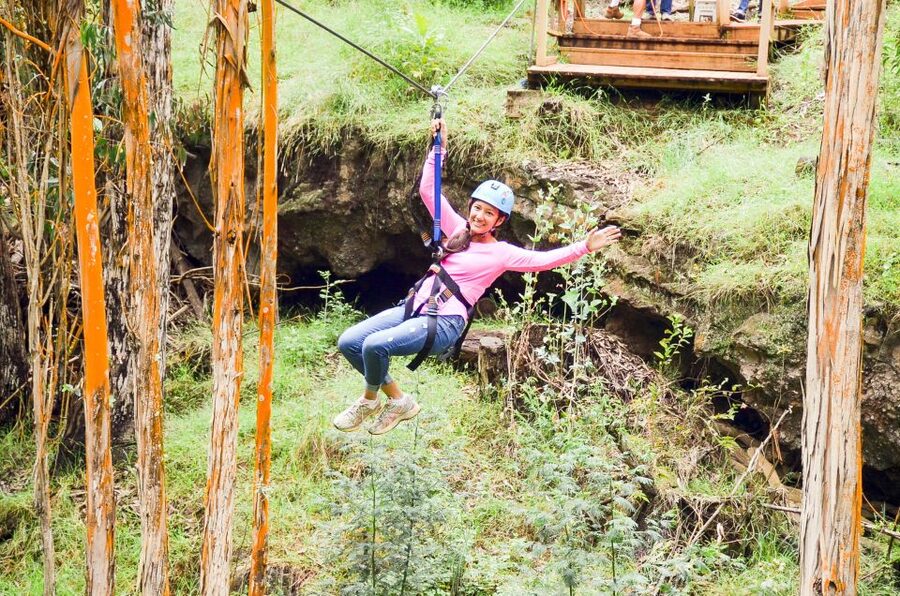
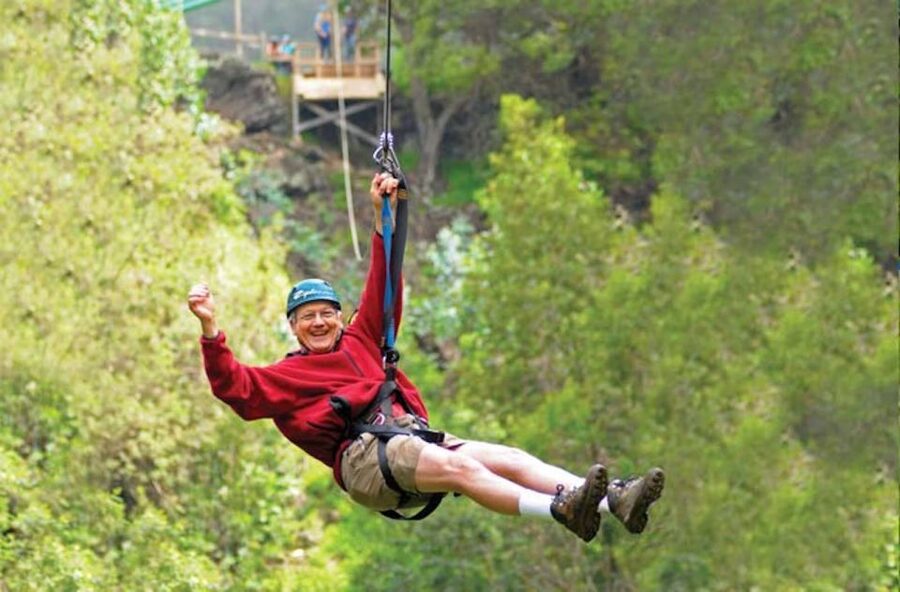
The biggest question most people ask themselves is simple: will it feel terrifying or just exciting? The course design gives you a clue. The earlier crossings are shorter; the later ones stretch out more. That pacing matters because it lets your body learn what the ride feels like before you’re fully in the fast zone.
The highlights promise pendulum-style zipping through Maui’s forests and speeds over 40 miles per hour. You should expect moments where your brain catches up a second later, because your eyes are busy with the scenery while your body is busy with the speed and wind. That’s normal. The guide’s cues help you stay calm so you can actually look around instead of only counting seconds.
As you fly, you’re above forest terrain, with views that can include the coast. Even if you’re not the type who loves heights, this is one of the ways Maui shows itself from a different angle. You’ll see the terrain as a connected system—trees, slopes, and sky—rather than a single roadside viewpoint.
Conservation Talk That Doesn’t Feel Like a Lecture
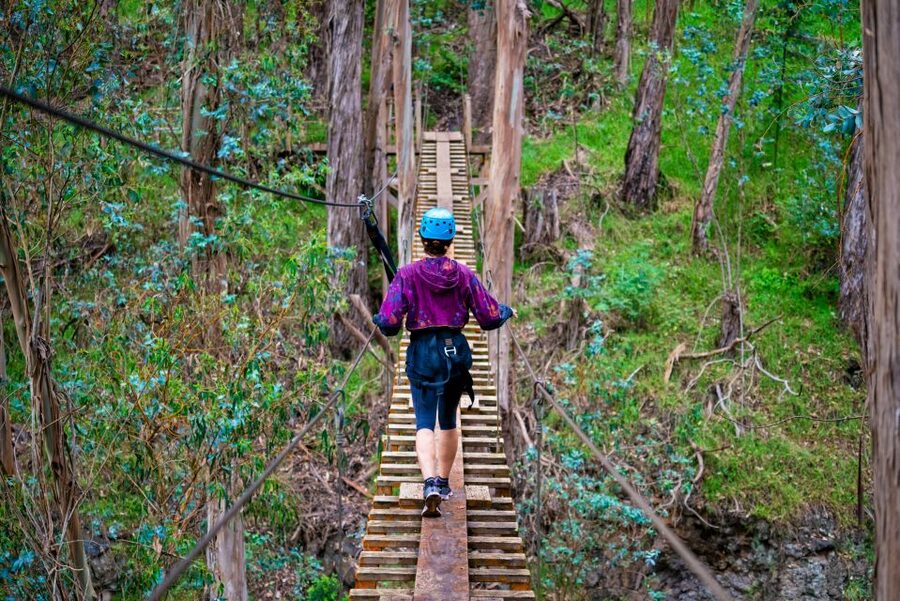
This is where the tour feels more meaningful than a pure thrill ride. You’ll learn about Hawaii’s natural environment and Maui’s ranching history as you zip through the trees. It’s the kind of education that fits the setting: short explanations timed to the moment you’re seeing the habitat.
The conservation piece comes with a concrete detail: part of your booking’s proceeds goes to the 1% For The Planet campaign. The description says 1% of annual company revenue goes back to local environmental and charitable non-profits. That’s the value in plain terms: you’re not only buying an adventure, you’re also supporting local causes that work on the ground.
One more reason I like this format: you’re not stuck in a classroom before you get to the cable. The guide’s story adds context while you’re already outside, so the information sticks better.


Hiking at Elevation: The Part People Underestimate
This tour has a minimum fitness requirement, and it’s not just “walk for a minute.” You must be able to hike 2 to 3 miles at elevation and over uneven surfaces. That’s a big deal if you’re visiting Maui from sea level and you don’t usually move much on hills.
So what should you do? Here’s my practical approach:
- Take it slow on the hike segments and let your breathing catch up.
- Plan your day so you’re not wiped out from other strenuous activities before ziplining.
- If you’re sensitive to altitude, consider how you’ve felt on Haleakala drives or viewpoints earlier in the trip.
Also, ziplining isn’t safe for everyone. The tour info is clear: it’s not safe to zipline if you’re pregnant or if you’ve had recent surgery, especially on ankles, knees, or back. People with heart problems should not book.
This matters because the cable course is thrilling, but it also demands physical stability. The requirements exist so you can take part safely and recover quickly between lines.
What to Wear and Bring for a Smooth Day
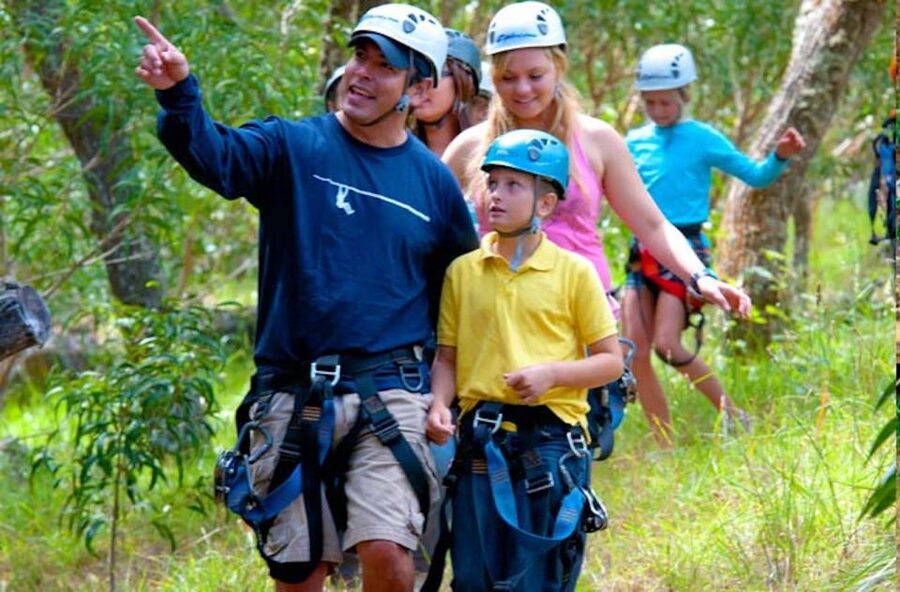
The clothing rules here are straightforward, and they’re worth treating seriously because you’re moving fast and changing platforms often.
Bring and wear:
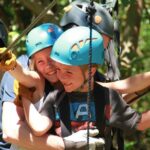
- Closed-toe shoes with a fully-enclosed toe and heel
- Shoes that are snug fitting (athletic or hiking shoes are the example)
Not permitted:
- Open-toe or open-section sandals
- 5-finger shoes
- Water shoes
If you’re tempted to wear something easy like sneakers you’d use for a beach walk, don’t. The tour asks for proper traction and a secure fit. Your feet are part of your safety system.
GoPro cameras aren’t included, but you can rent one on site. If you want action shots, this is a good option. If you don’t want to deal with extra gear, skip it and just enjoy the ride with your own eyes.
Weather, Storm Schedules, and How to Stay Flexible
Outdoor zipline tours live with the weather. Rain and storms can affect operating conditions, and you should expect that the experience may adjust if conditions are unsafe.
One thing that helps you feel better about this: the tour doesn’t pretend you’re getting a guaranteed perfect weather postcard. It’s set up for the realities of Haleakala’s conditions, and the guides keep the experience running when it’s safe to fly.
If you’re going to schedule this on your trip, I like giving it a little breathing room on either side. That way, if the course pauses or adjusts, you’re not stuck with a ruined day.
Price and Value: Is $146 Worth It?
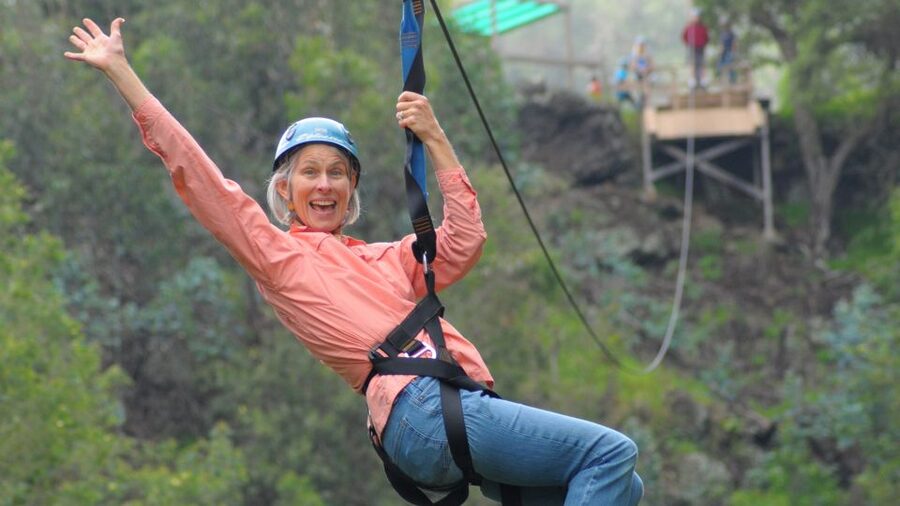
At $146 per person for a 2-hour experience, you’re paying for three things that add up fast:
- A guided 6-line course through Haleakala’s slopes
- Safety equipment and staff-led instruction
- Extra context from guide talk about ecology and conservation
If your goal is pure thrills, the speed promise (over 40 mph) and the fact that the lines get longer later in the course are what make the price feel justified. If your goal is only “something scenic and outdoorsy,” there are cheaper activities on Maui. But for an experience that combines adrenaline with a real sense of place, this is one of the more focused packages you can book.
Also, don’t ignore the conservation angle. Your booking contributes to the 1% for the Planet campaign, tied to local environmental and charitable non-profits. Even if you don’t track every dollar in detail, it’s a sign the operator is trying to connect the adventure to responsibility.
Who Should Book This Haleakala 6-Line Zipline and Who Should Skip
This tour fits best if you:
- Want a guided zipline with real coaching, not just a test of bravery
- Can hike 2 to 3 miles at elevation over uneven surfaces
- Are within the age and weight limits (at least 8 years old, 60 to 260 pounds)
- Want aerial views over forest terrain and potentially toward the coast
- Enjoy learning while doing, especially Maui ecology and ranching history
It’s not a good fit if you:
- Are pregnant
- Have heart problems
- Have had recent surgery, especially on ankles, knees, or back
- Are under 8 years old
For families, there’s an extra rule: children 15 and younger must have an adult participant on the tour, and the adult signs a waiver for each child. So you’ll want to plan your group roles early.
Should You Book It?
I’d book this Haleakala 6-Line Zipline Adventure if you’re looking for a time-efficient Maui activity that mixes speed, height, and a meaningful conservation story. The value lands strongest when you’re excited to fly through the forest and you’re comfortable meeting the hiking and gear requirements.
Skip it if the altitude hike requirement sounds like a stretch, or if any of the safety limits apply to you. Also, don’t assume you can treat it like an easy stroll. The rules exist for a reason, and showing up prepared makes the ride feel better right away.
If you’re on the fence, think like this: you’re spending $146 for a guided, safety-minded adrenaline experience with six crossings and conservation funding attached. That’s a pretty clean deal for Maui.
FAQ
How long is the Haleakala 6-Line Zipline Adventure?
The tour lasts about 2 hours.
Where do I meet for the tour?
Meet at Skyline Hawaii – Haleakala, located on the slopes of Haleakala on the road to Haleakala National Park.
When should I check in?
You must check in 30 minutes prior to your tour time.
What should I wear or bring?
Wear closed-toe shoes with a fully-enclosed toe and heel and a snug fit, such as athletic or hiking shoes. Sandals with open sections, water shoes, and 5-finger shoes are not permitted.
Is a GoPro included?
GoPro gear is not included, but you can rent a GoPro on site.
What are the age and weight requirements?
You must be at least 8 years old and weigh between 60 and 260 pounds.
Can children participate?
Children 15 years and younger must have an adult participant on tour with them, and an adult must sign a waiver for each child. Confirm everyone in your group meets the requirements.
How much hiking do you have to do?
You must be able to hike 2 to 3 miles at elevation and over uneven surfaces.
Who should not do this tour?
The tour is not suitable for pregnant women, people with heart problems, or people who have had recent surgery (especially on ankles, knees, or back).
Is there a cancellation policy?
Yes. You can cancel up to 2 days in advance for a full refund.