REVIEW · MAUI
Turtle & Shark Scuba Dive in Lahaina: Certified
Book on Viator →Operated by Banyan Tree Divers Maui · Bookable on Viator
Turtles and sharks, right off the shore. This certified Lahaina scuba outing is a shore-based plan with a private instructor feel, plus you get time in the water tailored to your experience. It’s built for people who want local aquatic life up close—without the chaos of a giant group.
I especially like the way the guide sets the pace and keeps you supported. From what I see in the experience style (and the guide names people credit—Simon, Shane, Caitlin, Abby, Jen, Dave/David, and Kevin), you’re not just handed gear and sent off alone.
One thing to factor in: this is only for certified participants with recent underwater experience, and there’s a strict 18-hour rule after your session (no flying or rising above 1,000 feet). It’s easy to plan for—but you need to take it seriously.
In This Review
- Key highlights you’ll care about
- Lahaina’s shore setup is built for calm, not chaos
- Where you meet: Ala Moana Street meets Front Street
- Check-in steps that keep the day smooth
- What happens before you enter the water
- Underwater highlights: turtles, reef sharks, and local life
- Equipment and guide attention: the real value of the $259
- The 18-hour rule after scuba: plan your Maui itinerary like an adult
- Timing and how long you’ll be away from Maui life
- Weather and adapting on the day
- Who should book this Lahaina shore outing?
- Should you book Turtle & Shark in Lahaina?
- FAQ
- Is this activity for certified scuba participants only?
- How long is the experience?
- Where do I meet the group?
- Do I need to sign a waiver before arrival?
- Is scuba equipment included?
- Are snacks and bottled water included?
- What is the 18-hour rule after scuba?
- How big is the group?
Key highlights you’ll care about
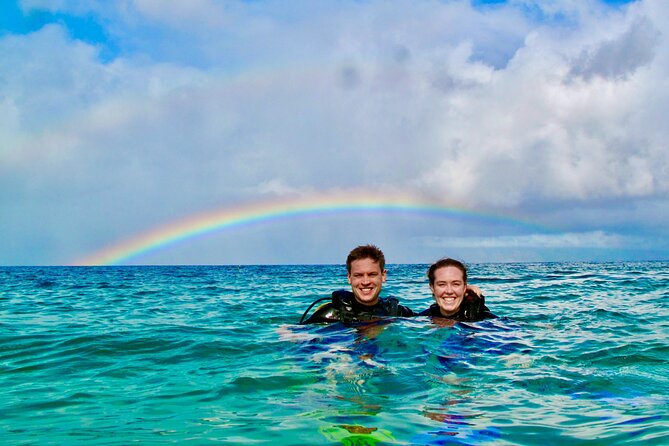
- Private attention in a max-8 group so you can actually hear instructions and stay relaxed.
- Turtles and reef sharks are the headline, including close-up sightings and moments at a turtle cleaning spot.
- Endemic species focus so you’re not just seeing animals—you learn what you’re looking at.
- Shore entry from a truck drop-off near Ala Moana Street and Front Street, then a short walk to the water.
- Equipment included (and you get a safety briefing before you head in).
- Gear-friendly but rule-heavy: certification check, waiver signing, and an 18-hour no-fly/ascend requirement.
Lahaina’s shore setup is built for calm, not chaos
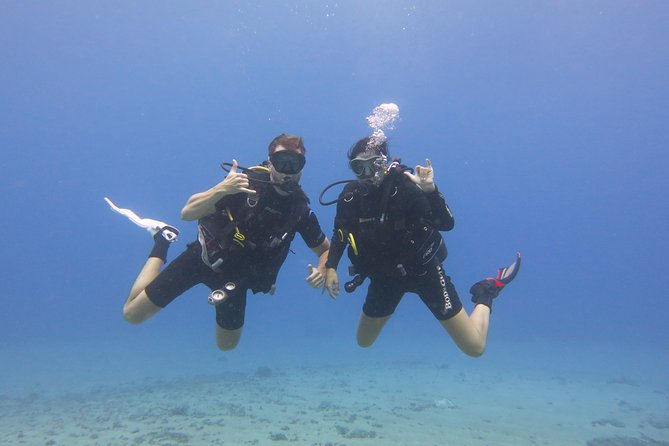
This experience runs as a shore-based scuba outing for certified participants only. That matters because shore entry usually means fewer moving parts than boat trips. In plain terms: you’ll spend less time doing logistics and more time actually getting oriented, kitted up, and underwater.
I also like that the plan is designed around your level. The guides tailor the session to your experience, which is a big deal on Maui. If you’re comfortable, you get the chance to enjoy the area. If you’re newer to ocean water, you still get that step-by-step coaching and reassurance—something people repeatedly point to when they mention feeling safe with instructors like Shane, Caitlin, Caitlin’s partner Kevin, Abby, and Jen.
Potential catch: this is not an easygoing option for non-certified people. You’re going to be asked for your certification card, and you’ll be expected to handle the physical part of the day (including carrying gear).
You can also read our reviews of more scuba diving tours in Maui
Where you meet: Ala Moana Street meets Front Street
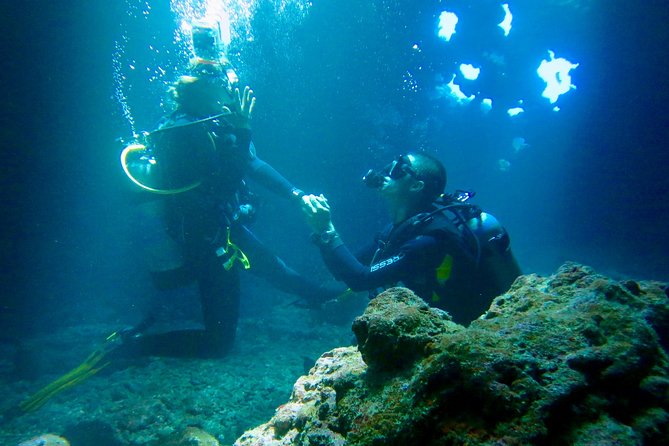
Your day starts at the dive-site area—look for the scuba truck near the corner of Ala Moana Street and Front Street in Lahaina. After your safety briefing, you walk to the ocean from that truck drop-off.
That might sound minor, but it’s practical. You’re not searching for a boat dock, and you’re not waiting around for a pickup. You show up, you check in, you get your briefing, then you head to the water entry area on foot.
Pro tip: arrive a little early and give yourself time to find the truck and settle your gear. This keeps the morning calm, especially if you’re bringing tank gear or you’re still nervous about the first part of the day.
Check-in steps that keep the day smooth
Before you enter the water, you’ll go through the required paperwork and checks:
- Show your scuba certification card at check-in.
- Sign the online scuba waiver before you arrive.
- Plan to meet at the stated start point and follow the guide’s lead from there.
I like that the process is clear and tied to safety. It’s one of those “boring now, great later” things. When everyone is verified and the waiver is already done, the briefing can focus on how your session will run.
Also note the physical requirements. You should have moderate physical fitness and be able to carry up to 30 pounds on your back for a short distance. If you’re not sure you can do that, consider whether you can comfortably handle gear on your shoulders for that walk.
What happens before you enter the water

You’ll get a scuba safety briefing before you walk down to the ocean. Expect a structured introduction: how to use the equipment, how to move underwater, and how your guide wants you to respond during the session.
This is where the “private guide” feel shows up. Even though it’s a guided group outing, the maximum group size is 8 travelers, and the guides are focused on you rather than crowd-control.
Instructors frequently credited by name include Simon (chill and comfortable), Shane (especially noted for first ocean experiences), Caitlin (patient and professional), Abby (makes you feel safe and comfortable), Jen (thorough explanations), and Dave/David (clear instructions and strong energy). The common thread: people feel coached, not rushed.
One practical note: if you’re hoping for a relaxed “no rules” swim, you’ll want to adjust your expectations. This is a safety-first format, so you’ll likely spend part of your attention on technique and checks, not just sightseeing.
Underwater highlights: turtles, reef sharks, and local life
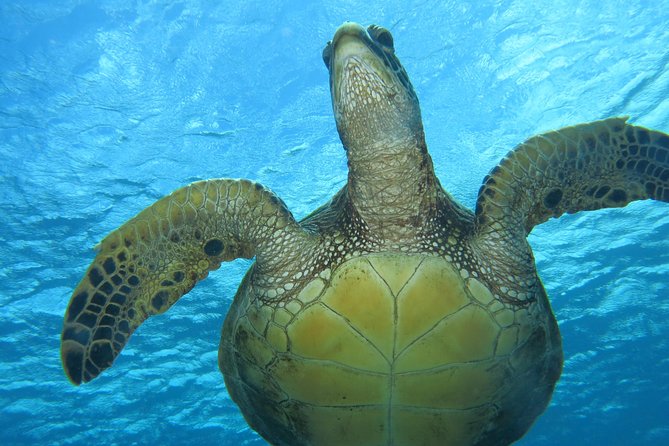
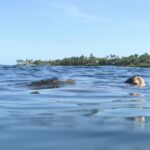
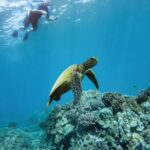
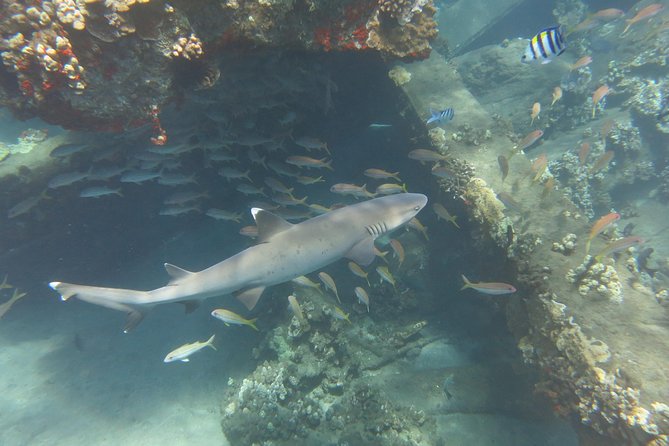
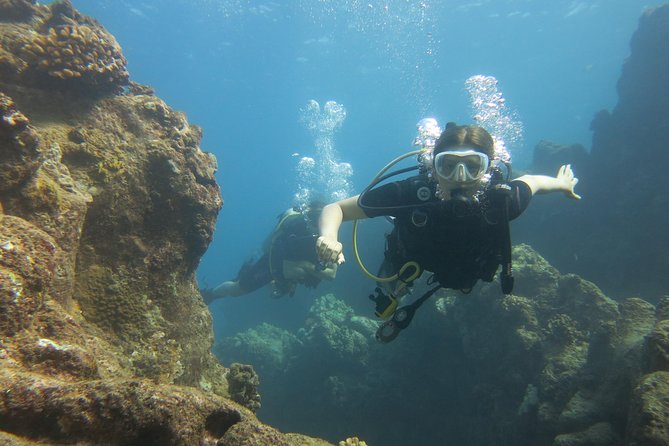
The whole point of the Turtle & Shark experience is seeing turtles and white-tip reef sharks in Lahaina’s waters. In the feedback, turtles come up again and again—sometimes even very close—plus you might spot a mix of reef fish and coral life.
A few particularly specific memories people mention:
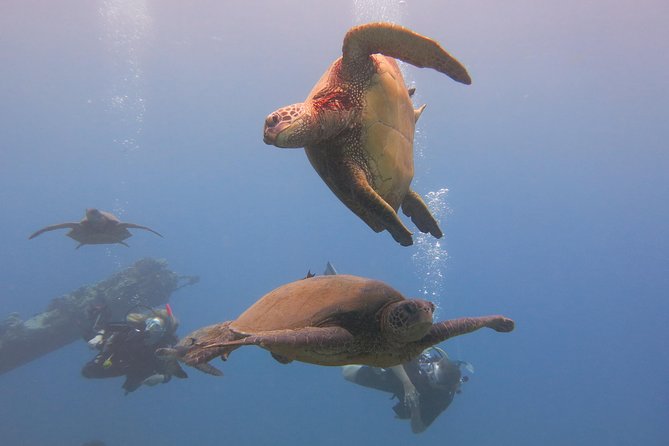
- Seeing turtles at a turtle cleaning station, where you can watch the behavior and not just glance at an animal.
- White-tip reef sharks as a goal sighting, with some reports mentioning multiple sharks.
- A surprise sighting like a black seahorse.
- A range of sea life that feels different from just a quick look at the surface.
You also learn about endemic aquatic species, which is honestly one of the best ways to make scuba worth the money. If the guide can tell you what you’re seeing and why it matters, your photos (even if you don’t have an underwater camera) are more meaningful because you know what to look for.
Important reality check: no one can guarantee exact animals on every day. But the guides do target these areas, and the repeated pattern in the stories suggests you’re not just “hoping for turtles”—you’re going in with a plan.






Equipment and guide attention: the real value of the $259
Equipment is included, which reduces what you need to buy or haul. That’s a real value piece on Maui, where luggage space is precious and rental details can eat time.
But the bigger reason this price often feels fair is the attention level. The experience is described as a private scuba instructor/guide, and you’re in a small group capped at 8. That combination usually means:
- you’ll get clearer instructions,
- the guide can spot issues sooner (buoyancy, comfort, gear fit),
- and you’re more likely to enjoy the water instead of stressing through it.
People also mention that the guides don’t rush. For first-timers who are already certified, this matters a lot—new divers can still feel awkward about being underwater in open ocean conditions, and patience helps.
One drawback to consider: underwater photos may not be part of the package. One report specifically noted no underwater cameras are available because the guide’s focus is on safety. If photos underwater are important to you, plan for your own camera setup only if it’s allowed and suitable for your training level—and confirm ahead of time.
The 18-hour rule after scuba: plan your Maui itinerary like an adult
Here’s the one rule you should treat as non-negotiable: after your scuba session, you must wait at least 18 hours before ascending above 1,000 feet. That includes:
- flying,
- zip-lining,
- and ascending Haleakalā (or any rise above that height threshold).
This affects real trip planning. If you’re doing a flight the same day—or you’re mixing your session with a Haleakalā summit plan—you need to schedule carefully. I’d rather you move one activity than risk breaking a safety guideline.
If you’re the type who builds days with “one more thing” energy, make one compromise. Give this rule room, and your later plans will feel less stressful.
Timing and how long you’ll be away from Maui life
The session runs about 2 hours (approx.). That’s a helpful window if you want to fit it around beaches, snorkeling, or sunset plans.
Also, this tour is often booked around 35 days in advance on average, which usually means demand is steady and instructors fill up. If your dates are firm, I’d book earlier rather than waiting for a last-minute deal hunt.
Since it’s weather-dependent, you might also plan a bit of flexibility. Good conditions help the guides do what they planned.
Weather and adapting on the day
Scuba conditions can change fast—wind, visibility, and water behavior shift day to day. The provider’s policy notes the experience requires good weather. If poor conditions cancel the outing, you’ll be offered a different date or a full refund.
There’s also a real-life example people share: one experience was impacted by a storm off-shore, yet the instructor still took the group to a better beach area where they could see plenty of sea life. That suggests the operation is thinking on its feet rather than giving up.
Still, remember: you’re booking an outdoor ocean activity. You’re not booking a theater show with the same exact script every time.
Who should book this Lahaina shore outing?
This is best for you if:
- you’re already certified and have recent ocean underwater time,
- you want turtles and reef sharks as the main goal,
- you like the idea of small-group attention with a guide who can help you stay comfortable,
- and you want to learn about what you’re seeing, not just take a quick look.
It can also be a strong match for first ocean experiences for certified participants—people repeatedly mention feeling safe and supported when it’s their first time in the open water. The difference is that you’re still expected to be able to handle gear and follow guidance.
If you’re not comfortable carrying about 30 pounds for a short stretch, or if you can’t work around the 18-hour above-1,000-feet rule, this may be a poor fit.
Should you book Turtle & Shark in Lahaina?
I’d book it if you’re a certified participant who wants a focused, safety-first, small-group underwater experience with turtles and reef sharks as the target, and you value having an instructor who adapts to your level. The equipment inclusion and the private-guide style help justify the $259 price because you’re paying for coaching, gear, and a plan—not just a spot in a lineup.
I’d skip it if:
- you’re not currently certified (this is certification-checked),
- you can’t meet the recent-experience requirement,
- you need to fly or climb above 1,000 feet soon after,
- or you don’t want a structured safety briefing and a guide-led pace.
If your schedule can handle the 18-hour rule and you’re ready to follow instructions, this is the kind of Lahaina activity that tends to feel worth it fast—especially when turtles show up where you can really watch their behavior.
FAQ
Is this activity for certified scuba participants only?
Yes. This scuba session is for certified divers only, and you must show your scuba certification card at check-in.
How long is the experience?
It runs about 2 hours (approx.).
Where do I meet the group?
You meet at Ala Moana Street, Lahaina. Look for the scuba truck near the corner of Ala Moana Street and Front Street.
Do I need to sign a waiver before arrival?
Yes. You must sign the online scuba waiver before you arrive.
Is scuba equipment included?
Yes. Scuba equipment is provided as part of the experience.
Are snacks and bottled water included?
Granola bars are available upon request. Bottled water is not included, and you’re encouraged to bring a reusable water bottle.
What is the 18-hour rule after scuba?
After diving/scuba, you must wait at least 18 hours before ascending above 1,000 feet, including flying, zip-lining, or ascending Haleakalā.
How big is the group?
The experience has a maximum of 8 travelers.