REVIEW · MAUI
West Maui Mountain Waterfall and Ocean Tour via Horseback
Book on Viator →Operated by Maui Mountain Activities · Bookable on Viator
Two coasts, one ride. This West Maui horseback tour strings together mountain gulches, seasonal waterfall views, and a long stretch of Pacific coastline from higher trails. You’ll also get a hands-on break with a petting zoo full of calm farm animals.
What I like most is the way they match you with a horse based on your riding ability, and how the guides keep things organized for a small group. One thing to plan for: the trail can be steep and the ride is dusty (and waterfalls aren’t guaranteed).
In This Review
- Key Points Before You Saddle Up
- What You’re Really Paying For: Views, Horse Time, and Animal Fun
- Getting There From Wailuku: The 8:15 AM Start Is Real
- Horse Matching That Actually Helps Beginners
- The 2-Hour Ride Up: Gulches, Distant Falls, and Dusty Trail Reality
- The Descent and the Ocean Ride: You’ll See It, But You Ride Above It
- Can You Canter or Gallop? Yes, But Only When Conditions Say So
- Petting Zoo Break: Why It’s More Than a Side Stop
- Guides, Photos, and the Small-Group Factor (Max 14)
- What to Wear and Bring: Dust-Proof Your Day
- Weather and Waterfalls: How to Set Your Expectations
- Who Should Book This Tour (and Who Should Reconsider)
- Should You Book This West Maui Horseback Tour?
Key Points Before You Saddle Up
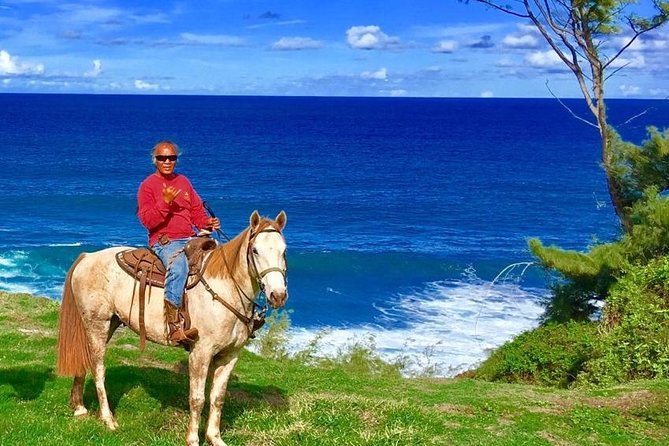
- Horse matching for all levels: even true beginners get paired with an appropriate mount
- Mountain-to-ocean route: waterfalls are seasonal, but ocean views are the steady payoff
- Small group size (max 14): you should get more attention at the saddle than big-depot tours
- Photo stops with your guide: they’ll take pictures along the way (locations can be limited)
- Petting zoo time: mini horses, sheep, rabbits, pigs, and more
- Dust management matters: long pants and closed-toe shoes are not optional
What You’re Really Paying For: Views, Horse Time, and Animal Fun
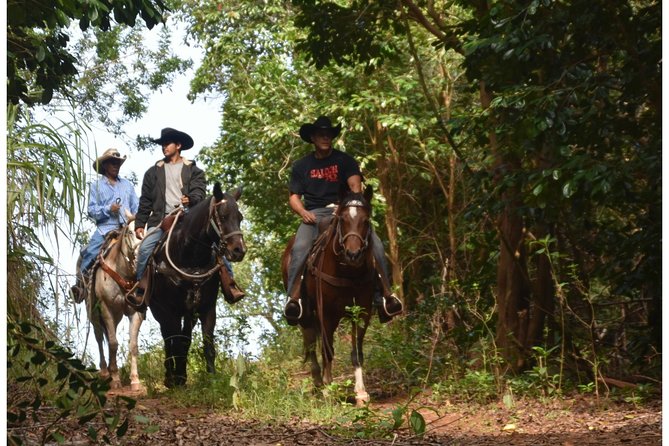
At $187.50 per person for roughly 3 hours 30 minutes total, this isn’t the cheapest thing to do in Maui. You’re paying for two things that can be hard to replicate on your own: guided horseback time on real trails and the handling that goes with it. The ride portion is about 2 hours, with time for setup, photos, and moving between the ranch and the trail.
I also think the animal stop is part of the value equation, especially if you’re traveling with kids or you simply like seeing how a ranch operates. The petting zoo includes animals like sheep, mini horses, rabbits, pigs, and other farm critters. It’s not just a quick photo moment—it gives you time on the ground before and after you ride.
The other value piece is risk control. They enforce a strict 215 lb (97.72 kg) weight limit, and that sounds stern because it is. It protects the experience: the horses and tack have to match the rider for safety and comfort. If you’re over the limit by even 10 pounds, you may not be able to ride and won’t get a refund—so weigh carefully before you go.
A few more Maui tours and experiences worth a look
Getting There From Wailuku: The 8:15 AM Start Is Real
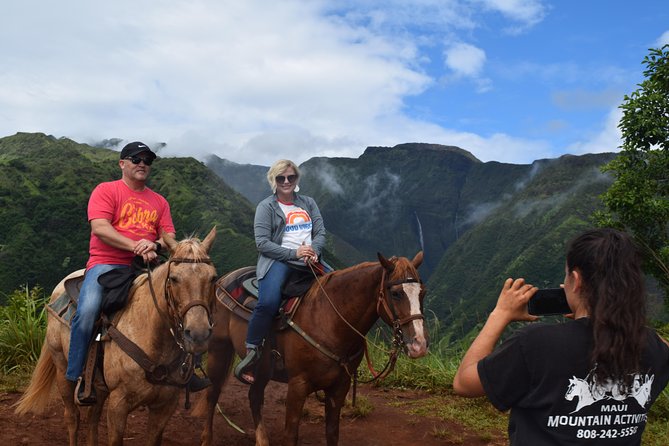
The tour starts in Wailuku at 2644 Kahekili Hwy, with an 8:15 am start time. The day depends on you showing up on time because they need to match horses, fit gear, and get everyone moving up to the trail.
If you’re staying on the west side (like Kaanapali), plan on about a 1-hour drive. That’s long enough that a slow parking moment or traffic jam can mess with your start. Build in buffer time and don’t count on a relaxed morning.
Also, if you’re using your phone for navigation, double-check the ranch area at the address provided so you don’t end up lingering by the wrong property. On this kind of tour, staff shuttle riders when they need to, and waiting too early or too far from the right spot can add stress.
Horse Matching That Actually Helps Beginners
This is one of the best “first ride” setups I’ve seen in the category: you don’t need prior experience. The guide matches you with a horse based on your riding ability, which is huge when you’re not sure what you’re doing with reins, balance, and saddle movement.
A big plus is the guides’ calm, patient approach. People often mention feeling taken care of, especially when they’re new. Names that show up in real-world experiences include Richard, Kai, Cierra, Cole, Ki, and Sierra. Different days, different teams—but the pattern is the same: they check in, offer instructions before you move out, and keep you together enough that you’re not guessing what comes next.
Now for the balance part: the terrain isn’t flat. Even with beginner-friendly horses, you’re going up and down steep slopes on dirt trails. If you’re brand-new, treat the ride like a “slow, steady adventure,” not a gentle stroll. If you’ve ridden before, you may feel more comfortable letting your horse pick a line, but you still follow the guide’s pace.
The 2-Hour Ride Up: Gulches, Distant Falls, and Dusty Trail Reality
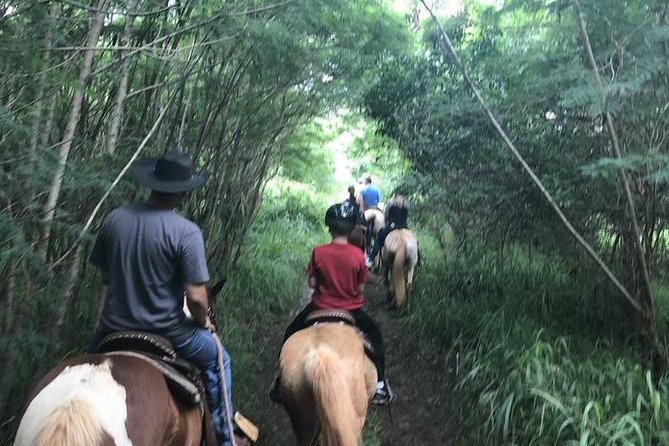
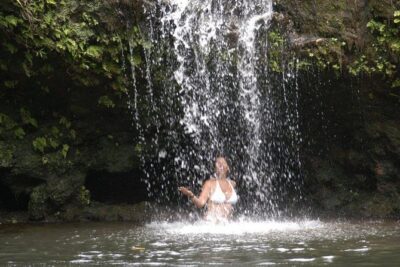
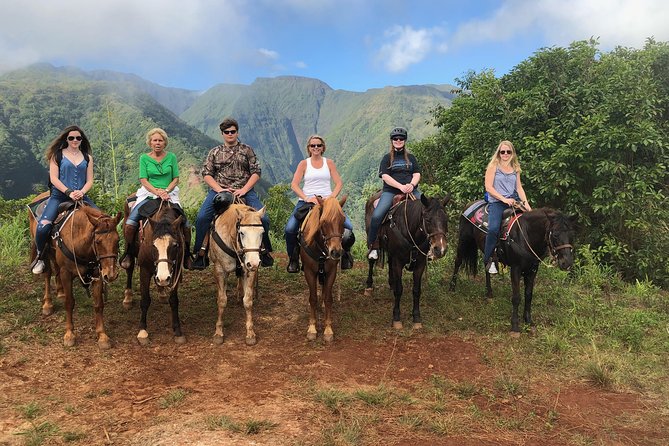
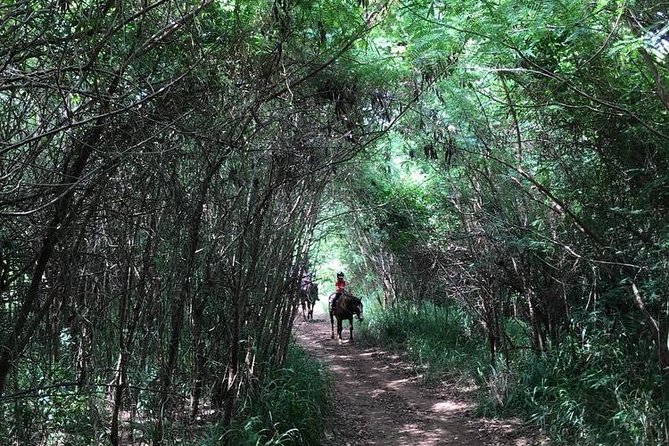
Most of your ride time happens on a route that gradually climbs the mountainside. You’ll travel through gulches and viewpoints where waterfall views are seasonal—meaning sometimes you’ll see them clearly from the valley, and sometimes you won’t.
Even when waterfalls don’t show up, the trail walk-up has a real payoff: you get a feel for West Maui’s dramatic slopes, with green-brown ridgelines, switchback-style climbs, and big sightlines toward the valley. The vibe is less theme park and more hands-on trail riding.
Here’s the practical snag: the trail can be very dusty, especially when it’s been dry. People describe it like clouds of dust and end up looking dusty by the end. That dust can bother some horses too—sneezing shows up in at least one experience.
If you want to enjoy the ride instead of fighting discomfort, plan like this:
- wear long pants that can handle grit
- use sunscreen and a hat (the sun hits on open trail)
- expect your shoes and lower legs to get dirty
- bring a change of clothes if you have dinner plans later
And yes—if it rains, conditions can flip fast. Mud can be a problem, but dust can also be intense after dry spells. Either way, dress for trail grime.
The Descent and the Ocean Ride: You’ll See It, But You Ride Above It
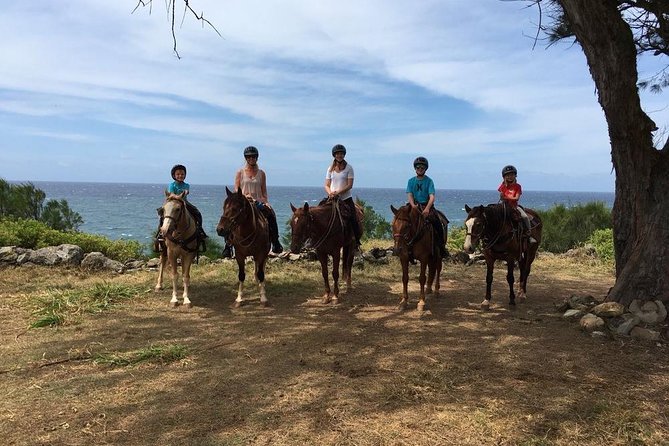
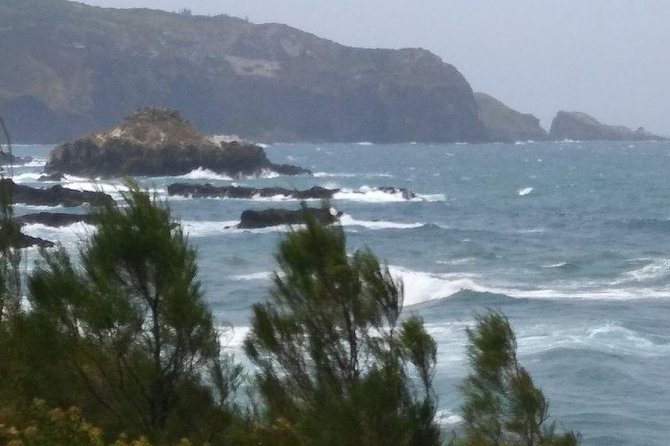
After the mountain portion, you ride back down the mountainside all the way toward the ocean. Then you ride along the coastline—but important detail: this tour does not ride on the white sand beach.
Instead, you’re on a higher path near the coast, which means you get views of the Pacific without going into surf or onto beach sand. That matches how many places manage safety and trail rules, and it also changes what you’ll notice: ocean wind, bluffs, and sightlines rather than sand under your saddle.
If weather is clear, this ocean section is usually the moment you remember. People love the contrast: jungle-ish climb energy at the start, then open ocean views after you’ve earned them by getting up the slope.
Speed and excitement depend on trail conditions and rider skill. The tour can offer an area where you’re allowed to trot or canter (weather permitting). In real outings, not everyone canter-gallops, so keep your expectations flexible. Even experienced riders say pace can be brisk, and novice riders may have less control over speed than they think—so listen to the guide and don’t try to “speed up” just because you want a bigger thrill.




Can You Canter or Gallop? Yes, But Only When Conditions Say So
The intro for the experience talks about the chance to canter or gallop for experienced riders, and the reality is that it depends on weather and trail conditions. On some days, half the group can canter; on other days, it stays more controlled.
This matters because the slope is real. Even when you want to go faster, the guide is thinking about safety first—horses, footing, and spacing between riders. If you’re an intermediate rider who wants more action, you’ll likely get a chance during the designated faster section, but you don’t control whether the guide allows it.
If you’re a first-timer: treat trotting or cantering as a bonus, not a requirement. The best “win” is the overall ride—seeing Maui from horseback—rather than forcing speed.
Petting Zoo Break: Why It’s More Than a Side Stop
Between trail sections, you’ll stop at a petting zoo with animals including sheep, mini horses, pigs, rabbits, and others. This gives you a break from the saddle and a chance to stretch, especially if you’re riding in the morning when your body is still waking up.
It’s also one of the reasons I’d recommend this tour for families. Even kids who aren’t riding the whole time can enjoy time with animals before and after the ride. If you love farms, this feels like a real ranch moment, not a staged attraction.
A small practical note: animals are friendly and you’ll have contact opportunities, but keep your expectations sensible. You’re on a working ranch environment, so be calm, wash hands if you can, and keep your attention on your guide.
Guides, Photos, and the Small-Group Factor (Max 14)
A big reason people enjoy this tour is how organized the guides are during setup and on the trail. You get matched with a horse, you get instruction, and guides check on gear while you’re riding. Photos are part of the experience too: your guide takes photos at key stops and helps capture the mountain-and-ocean scenery from horseback.
Guide names that show up in real experiences include Richard, Kai, Cierra, Cole, Ki, Sierra, and Stetson (as an assistant). The exact photo timing can vary by day and staffing, and some people have noted that photos may be limited to a couple of main stops. Still, if you want memories, bring a camera for yourself too—don’t assume every scenic moment gets captured for you.
The maximum group size is 14, which is small enough that you should feel the difference. You’re less likely to get lost in a sea of helmets, and you’re more likely to get help if something doesn’t feel right at the saddle.
What to Wear and Bring: Dust-Proof Your Day
This is the part that can make or break your comfort. The dress code is simple and strict for a reason: long pants and closed-toe shoes. Add sunscreen and camera, and you’re basically set.
What I’d add from pattern recognition:
- Don’t wear white. Dust stains. Period.
- Skip your fanciest shoes. The trail is muddy or dusty depending on the day.
- Wear pants you won’t mind getting scraped by saddle friction.
- Bring water if you tend to get thirsty, even though soft drinks are included.
- If you’re planning a nice dinner later, pack a change of clothes in your car.
Stirrups and saddle pads are why shoes matter. If you wear something that’s hard to get into position, you’ll feel it during the fitting and you might feel it more during the ride.
Also remember the weight limit is enforced, and accurate body weight is required. That means don’t assume “close enough” works. If you’re over, the odds of riding drop fast.
Weather and Waterfalls: How to Set Your Expectations
The tour requires good weather. If it gets canceled due to poor weather, you’ll be offered a different date or a full refund.
Waterfalls are seasonal and can also depend on conditions. Even when they don’t show up, you’re still getting:
- a climb through West Maui’s valley areas
- ocean views along the coastline
- a fun ride with horse matching and guide support
- the petting zoo stop and ranch atmosphere
So I suggest you think of waterfalls as a possible bonus, not the main guarantee. If you arrive hoping for a specific waterfall shot, you’ll likely be happier if you treat the ride itself as the reason to go.
Who Should Book This Tour (and Who Should Reconsider)
I’d point this tour toward:
- first-time riders who want horse matching and patient guidance
- people who like real outdoor trail time more than a flat riding arena
- animal lovers who want petting zoo time built into the outing
- families with kids 7 and up (minimum age is 7)
- travelers who want both mountain views and Pacific coastline scenery in one go
I’d be cautious if:
- you’re over the 215 lb weight limit, or unsure whether you fit
- steep slopes and uneven terrain make you nervous
- you hate getting dusty or you don’t plan to change clothing
- you expect beach riding, because this is coastline riding from higher trails
- you want guaranteed waterfalls, since they’re seasonal and can depend on conditions
If you do book, the best strategy is simple: dress for the trail, keep an open mind about canter timing, and enjoy the ride’s “two worlds” layout.
Should You Book This West Maui Horseback Tour?
Book it if you want a guided horseback adventure that mixes mountain-to-ocean scenery with a real ranch animal stop, and you like the idea of being matched with the right horse instead of figuring it out on your own.
Pass if waterfalls are the whole point for you, or if you cannot tolerate dust/mud and steep riding terrain. Also, be extra honest about your comfort with a strict weight limit.
If your goal is a memorable Maui morning that feels like West Maui—mountains, coastline views, and horses behaving the way they’re supposed to—this is a strong choice.