REVIEW · MAUI
Central Maui: Two-Island Scenic Helicopter Flight to Molokai
Book on GetYourGuide →Operated by Maverick Helicopters Hawaii · Bookable on GetYourGuide
That first view from the skids stops you cold.
This 55-minute Maui-to-Molokai helicopter hop gives you a high-altitude look at places most people can only see by hiking, driving, or guessing—especially the waterfalls and dramatic cliffs. You’ll fly from Kahului Heliport, soar above the world’s largest sea cliffs, and get a tight route that still covers a lot of eye candy.
Two things I really like: the chance to see major falls like Honokohau Falls and Kahiwa Falls from above, and the in-flight storytelling from pilots such as Eddie, John, Tone, Carlos, and Jake—people consistently mention they made safety and sights easy to follow. One consideration: it’s a short flight, so if you’re prone to motion sickness or you’re hoping for a long, slow sightseeing session, you’ll want to plan for the fast pace and assigned seating reality.
In This Review
- Quick highlights you’ll actually use
- Two islands in one short flight: what this route gives you
- Getting started at Kahului Heliport and the first aerial clues
- Molokai’s waterfall drama: Honokohau and Kahiwa from above
- Halawa Valley and fish ponds: the north shore in patterns
- Crossing the Pailolo Channel: Elephant Rock and the space between islands
- Iao Valley State Park and the Maui horizon: Haleakala in the distance
- Why your pilot is the real product: narration, safety, and names to know
- Small group comfort and the seat reality you should plan for
- What to bring and how to be ready for a 55-minute hop
- Who should book this Maui–Molokai helicopter flight
- Should you book it or not?
- FAQ
- How long is the helicopter flight?
- Where do flights depart from and how early should I check in?
- What’s included in the price?
- Is hotel pickup and drop-off included?
- Do I need to reconfirm my flight?
- What ID do I need for check-in?
- Can I bring a camera and sunscreen?
- How does seating work in the helicopter?
- What if I recently scuba dived?
Quick highlights you’ll actually use
- Honokohau Falls (island’s tallest) from the sky, with the added possibility of seeing the Wall of Tears when conditions cooperate
- Molokai waterfall circuit including Kahiwa Falls and other dramatic drops
- Iao Valley State Park from above—green textures, ridgelines, and river valleys you can’t fully appreciate from the ground
- Halawa Valley and fish ponds on Molokai’s north side, visible as patterns that make the coastline feel even wilder
- Pailolo Channel crossing with standout landmarks like Elephant Rock
- Small group (up to 6) plus pilot narration, so you’re not shouting over a crowd
Two islands in one short flight: what this route gives you
If you only have one day to see “more than beaches,” this is the right kind of helicopter experience. The flight is just 55 minutes, but it’s packed with quick, high-impact viewing windows: coastal cliffs, waterfall faces, valley lines, and the ocean space between islands. You’re not stuck staring at clouds the whole time—when visibility is good, the route is built for variety.
Maui and Molokai feel different from the air. Maui reads as a mix of valleys and volcanic horizons; Molokai shows a sharper edge—sea cliffs, north-shore valleys, and water carving its way down the island. The flight’s big value is how it compresses those “far apart” areas into one continuous perspective.
It’s also the kind of tour where the pilot’s narration matters. People praise pilots for explaining what you’re looking at without turning it into a lecture. That turns the views into something you can remember, not just something you record.
A few more Maui tours and experiences worth a look

Getting started at Kahului Heliport and the first aerial clues
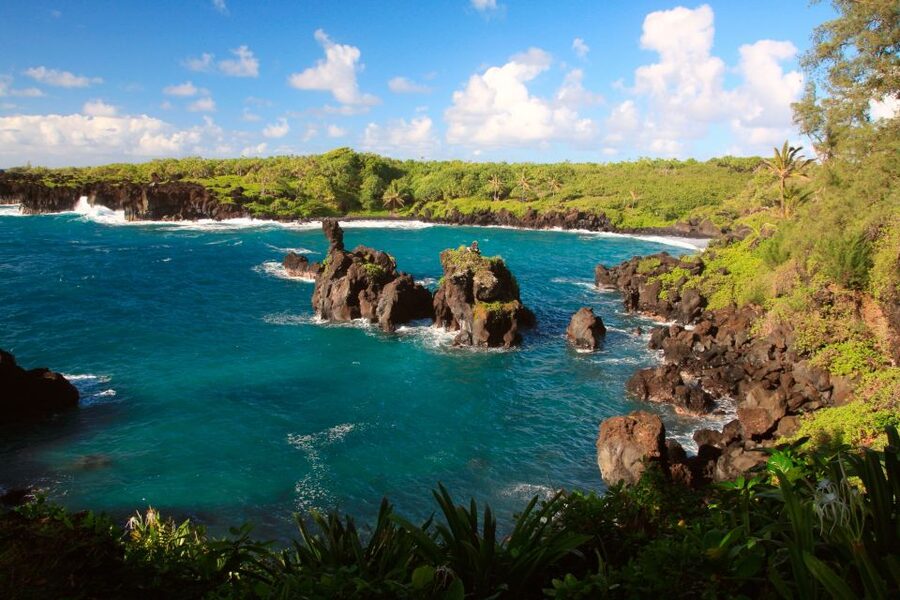
The whole experience starts at Kahului Heliport (2 Lelepio Place, Kahului, Maui). Plan to check in 30 minutes early because late arrival means you can be denied check-in with no refund. You’ll also be seated based on legal weight and balance limits, so think of this as a flight where comfort and safety come first—not shot-taking positions.
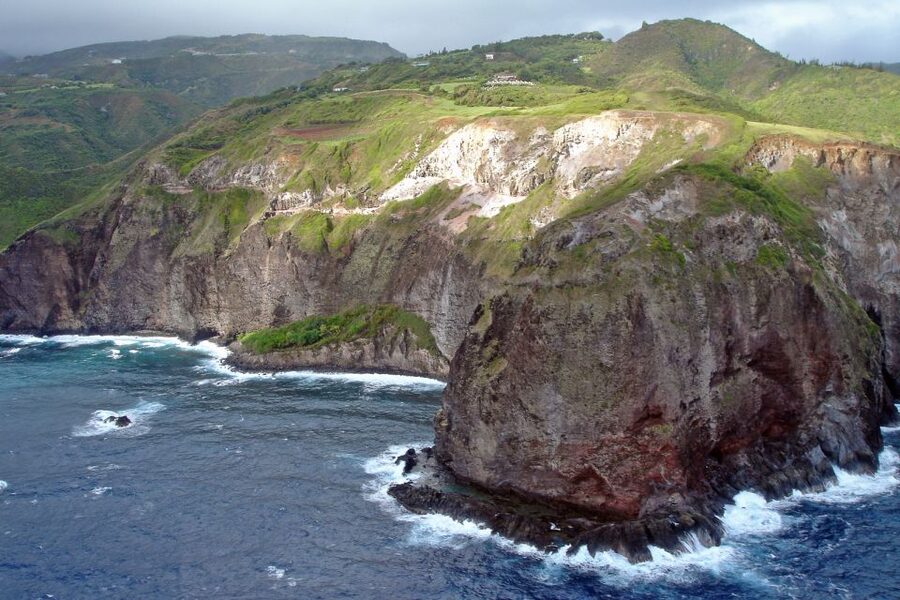
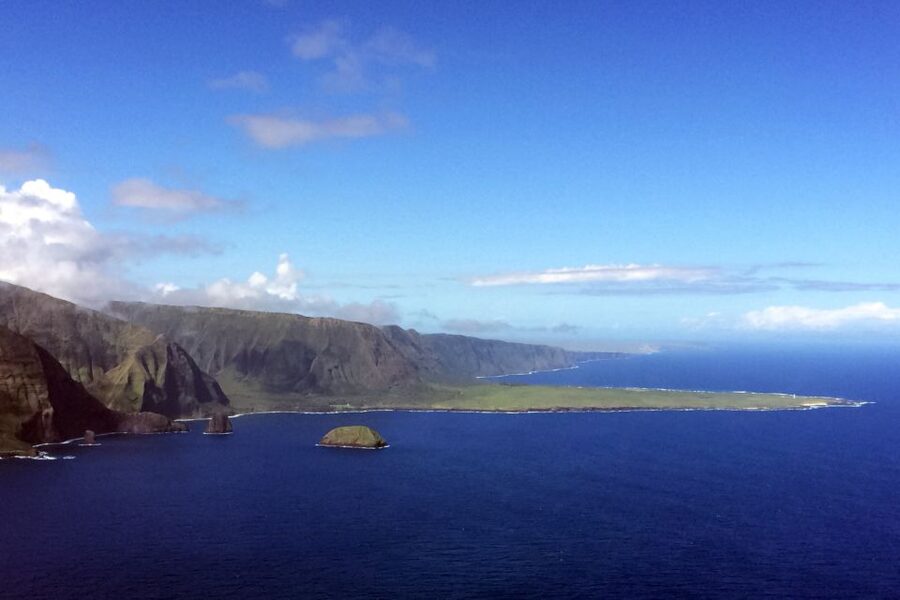
From there, the route kicks off with a big theme: cliffs and coastline. You’ll fly over the world’s largest sea cliffs, which is one of those facts that means more once you see the scale from above. It’s not just that the ocean drops—it’s how long the cliffs run and how the coastline bends and breaks.
Before you even get to waterfall country, you’ll pick up context for everything that follows: where valleys sit relative to ridgelines, how watercourses carve the terrain, and how the islands relate across open water.
Molokai’s waterfall drama: Honokohau and Kahiwa from above
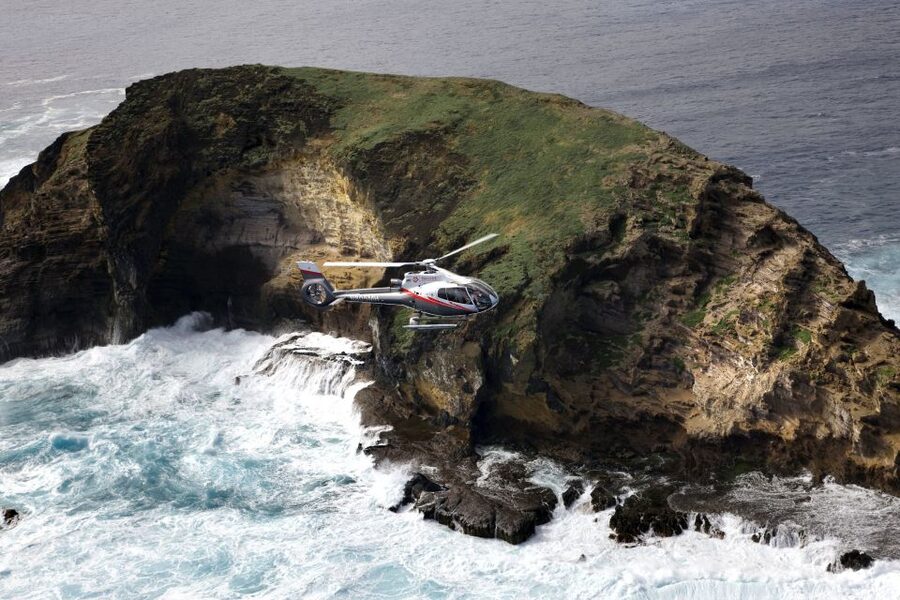
Molokai is where this flight shines. You’ll see the island’s tallest waterfall, Honokohau Falls, and you’ll also get views of Kahiwa Falls. From a helicopter, waterfalls don’t just look “pretty”—they show shape and flow. You can often tell how wide a drop is, how it spreads as it hits, and how the surrounding terrain funnels water.
Honokohau Falls is the key stop, and it’s worth paying attention to timing and positioning. In a short flight, the pilot has to balance sightseeing with aircraft safety and visibility. That’s why narration matters: the best moments come when you know what you’re looking for and where the waterfall sits in relation to nearby valleys.
There’s also a hopeful add-on: the Wall of Tears. It’s not guaranteed, but the tour description notes you may see it with favorable conditions. If you’re booking with the mindset that some views are weather-dependent, you’ll enjoy the experience more.
Halawa Valley and fish ponds: the north shore in patterns
After the waterfalls, the flight heads toward Molokai’s remote north shore. This is where you’ll get a different kind of beauty—less “single highlight,” more “how the island works.”
You’re looking down at Halawa Valley, plus fish ponds that spread out like organized shapes against the island’s rugged edges. From the air, ponds are easy to recognize because they contrast with the natural textures around them. Instead of just seeing the coastline, you see how water and human activity meet in a place that still feels wild.
This part of the route is also a good reminder that aerial views change how you understand distance. Valleys that seem small from the ground can look surprisingly deep. Lines that appear rough on foot often make sense when you see how ridges channel wind and water.
Crossing the Pailolo Channel: Elephant Rock and the space between islands
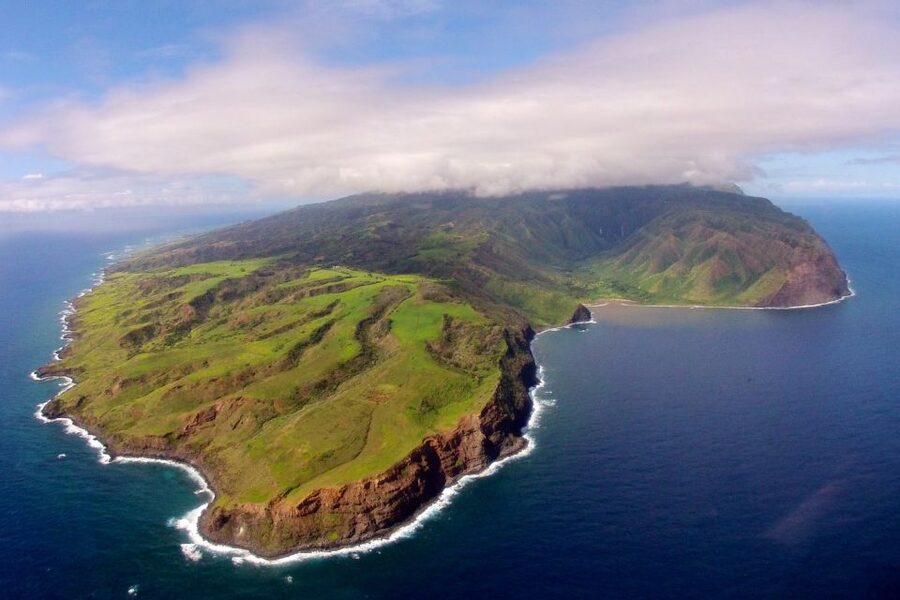
Next comes the inter-island crossing—the Pailolo Channel. Think of this section as the “breather” view: open ocean, long lines, and landmarks that pop out when you’re high enough.
One named feature is Elephant Rock, and this is where helicopters beat driving every time. From the road, rocks can feel like roadside trivia. From the air, it becomes a recognizable shape with context—how it sits relative to current, shoreline curves, and island edges.
This portion also helps you understand scale. When you can see Maui on one side and Molokai’s coast on the other, the distance feels real. It’s one of those moments that makes you realize you’re seeing the islands as systems, not separate attractions.





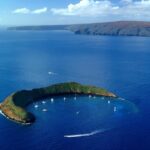
Iao Valley State Park and the Maui horizon: Haleakala in the distance
On the way back toward Maui, you’ll get intimate views of Iao Valley State Park. From above, the valley’s textures and river lines become easier to read. You’ll likely notice how cloud cover and light change how green and shadowed areas look—small differences that make aerial photography more interesting.
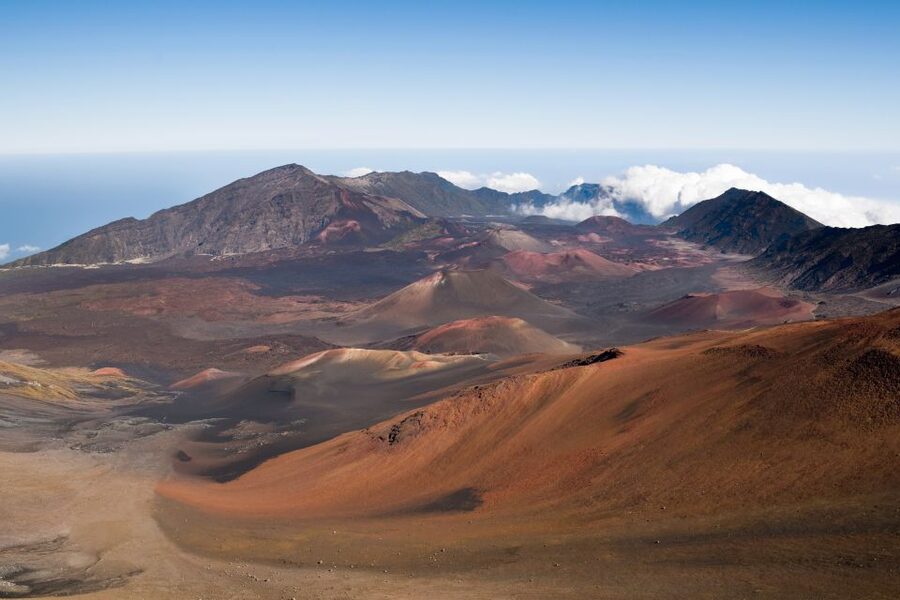
As you scan the horizon, the flight description also points to Haleakala—noting it as a dormant volcano—and the rugged peaks of the West Maui Mountains. Even if you don’t get a postcard-perfect view, the framing can still make the geography click.
If conditions are good, this is the part where you feel the trip’s balance: Molokai’s water and cliffs up close, then Maui’s volcanic big-picture in the background. It’s variety without feeling chaotic.
Why your pilot is the real product: narration, safety, and names to know
In a helicopter tour, the pilot isn’t just flying—you’re buying their attention. The flight includes in-flight commentary, and the strongest praise centers on pilots who explain what you’re seeing in plain language while also being clear about safety.
The names that come up repeatedly in praised experiences include Eddie, John, Tone, Carlos, and Jake. People mention they made the ride feel comfortable and not stressful, and that they knew the island details well enough to guide your eye to the right spot at the right time.
A few other touches show up in the feedback too: offering to help with photos and keeping the experience upbeat with humor or even music. None of that is required for the aircraft to fly, but it matters for your overall satisfaction because it turns the flight from viewing to understanding.
If you care about meaning as much as scenery, prioritize the quality of the pilot.
Small group comfort and the seat reality you should plan for
This is a small group tour limited to 6 participants, which keeps the cabin feeling calmer. But don’t assume you’ll sit next to your preferred person or that you’ll choose the best window spot. Seating is assigned based on legal weight and balance limits, and those details can affect who sits where.
There’s also a specific threshold: passengers weighing 275 lbs or more must purchase an additional seat. That’s one of those policies that affects value because it can change total cost for a larger rider. It’s also why assigned seating exists—this flight is built around safe aircraft balance, not “first come, best seat.”
If you’re bringing kids, children two and older require a seat. Younger than that can sit on an adult’s lap with a birth certificate. The group size helps, but the practical seating rules still shape your experience.
What to bring and how to be ready for a 55-minute hop
For a smooth check-in and better photos, I’d pack with purpose. Bring a passport or ID card—and only a government-issued photo ID works. Photocopies or digital images aren’t accepted. Bring a camera, and don’t forget biodegradable sunscreen since it’s specifically listed.
Also, plan for timing and your body. You’ll need to wait 24 hours after scuba diving before flying. If you’re motion-sensitive, consider how you’ll feel during quick turns and altitude changes; some people describe the experience as intense for their stomach even if they still loved it.
And don’t overlook the basics: intoxicated guests may be denied service without refund. This is an aircraft-focused tour, so your readiness affects not just you, but everyone’s safety.
Finally, flights must be reconfirmed 72 hours prior. Build that into your trip schedule so you’re not scrambling.
Who should book this Maui–Molokai helicopter flight
Book it if you want maximum wow per hour. This is a strong fit for:
- Short-trip visitors who can’t spare a full day for hikes and viewpoints
- People who want waterfalls plus cliffs plus valley patterns in one go
- Photo-minded travelers who want aerial framing of Honokohau Falls, Iao Valley, Halawa Valley, fish ponds, and Elephant Rock
- Anyone who values clear narration and safety-first professionalism
Consider skipping if you need long, slow pacing, or if you’re avoiding any possibility of motion discomfort. Also, if you’ve scuba-dived recently, you must meet the 24-hour wait.
And if your priority is purely beach time, this helicopter flight is a different kind of Maui day—more geology, water, and coastline than sand.
Should you book it or not?
I think this is a great choice if you can handle the short duration and you want a “from the sky” story you can’t replicate with driving. The biggest payoff is the combination of Honokohau Falls, Kahiwa Falls, and the route’s other named features like Halawa Valley, fish ponds, Pailolo Channel, and Elephant Rock—all stitched together into one 55-minute aerial overview.
If you’re unsure, use this rule: if you’re excited by waterfalls and coastline geometry more than you are by lingering stops, you’ll probably love it.
FAQ
How long is the helicopter flight?
The flight is 55 minutes.
Where do flights depart from and how early should I check in?
Flights depart from Kahului Heliport, 2 Lelepio Place, Kahului, Maui. You must check in 30 minutes prior to departure.
What’s included in the price?
Included is the 55-minute helicopter flight plus in-flight commentary and the pilot.
Is hotel pickup and drop-off included?
No. Hotel pickup and drop-off are not included.
Do I need to reconfirm my flight?
Yes. Flights must be reconfirmed 72 hours prior to departure.
What ID do I need for check-in?
All passengers 18 and older must bring a government-issued photo ID (a REAL ID–compliant driver’s license or valid passport). Photocopies or digital images are not accepted.
Can I bring a camera and sunscreen?
Yes. You should bring a camera and biodegradable sunscreen.
How does seating work in the helicopter?
Seating is assigned based on legal weight and balance limits and is not guaranteed together for groups. Passengers weighing 275 lbs or more must purchase an additional seat.
What if I recently scuba dived?
You must wait 24 hours after scuba diving before flying.