REVIEW · MAUI
Certified Divers! Scuba dive the Ka’anapali Coast and more!
Book on Viator →Operated by Aloha Maui Diving · Bookable on Viator
Maui’s reef shows up right from shore. This Ka’anapali coast scuba session is for certified scuba participants and aims at a coral reef full of sea life, with clear guidance before you ever hit the water. I like that it’s run as a tight, safety-first operation with small groups and instructors who actually coach you through the plan.
Two things I especially like: the thorough pre-water briefing and the gear-and-weight setup that helps you get calm fast. The pros (Sarah Sisco, Sarah, Deborah, and Brian, depending on the day) focus on what you should do during entry, during the swim, and if anything feels off.
One drawback to plan for: it’s shore-based and physically demanding. You must be able to carry at least 50 lbs, be in good health, and follow strict rules after the session, including staying below 1,000 ft for 18 hours.
In This Review
- Key Points That Matter for Planning
- Ka’anapali Shore Session: What You’re Really Booking
- Meet at Kahekili Beach Park: The Starting Point Vibe
- Equipment, Fees, and Time: Is $169 Good Value?
- Certification + English: The Two Non-Negotiables
- Physical Requirements for Shore Entry: Plan for Real Work
- The Briefing: Where You Start Feeling Confident
- The Underwater Plan: Coral Reef + Specific Wildlife Targets
- Mala Pier, Black Rock, and Old Airport: What Each Style of Site Adds
- In-Water Leadership: What “Safety Conscious” Means Here
- After Your Session: The 1,000 Ft Rule You Must Follow
- What to Bring (and What to Double-Check)
- Who This Is Best For on Maui
- Should You Book This Ka’anapali Coast Shore Scuba Session?
- FAQ
- How long is the Ka’anapali shore scuba session?
- Where do I meet for the tour?
- What’s included in the price?
- Do I need private transportation?
- What certification do I need?
- What physical requirements are required for shore entry?
- Is there an elevation restriction after the session?
Key Points That Matter for Planning
- Shore-based, no boat ride style: you start at Kahekili Beach Park and enter/exist from shore at the day’s sites.
- Small groups (max 6): more attention during setup, briefing, and in-water check-ins.
- Certified-only requirement: you need proof of certification, and if your last session was more than two years ago, a refresher is strongly recommended.
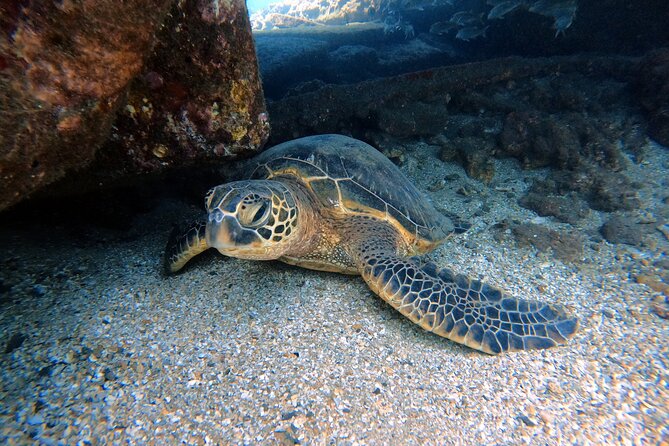
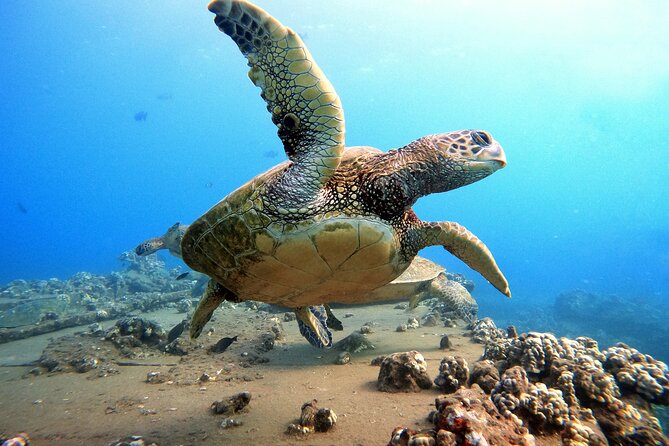
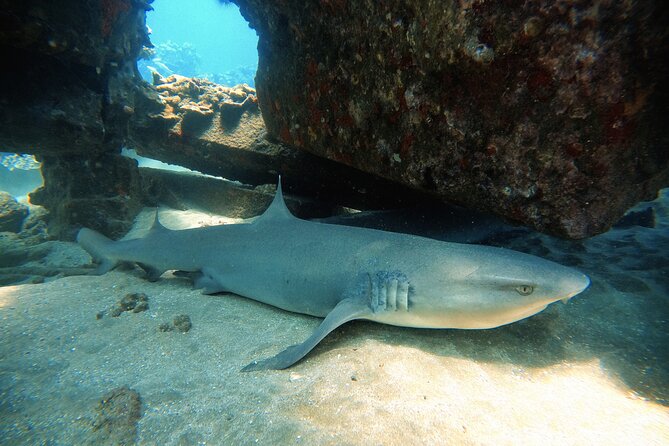
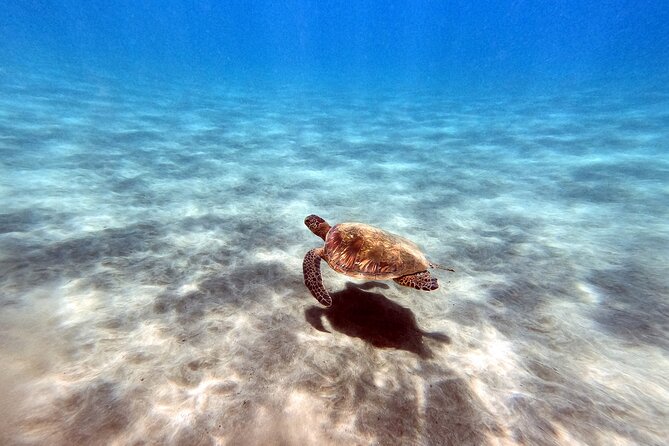
- Wildlife you can realistically hope to see: green turtles, octopus, white tip reef sharks, moray eels, spotted eagle rays, frogfish, nudibranchs, and colorful reef fish.
- Physical and English requirements: you need the strength for weight carry and fluent English for the professional brief.
- Post-session elevation rule: stay below 1,000 ft for 18 hours after your scuba session.
Ka’anapali Shore Session: What You’re Really Booking
This is a shore-based scuba outing along the West Maui / Ka’anapali coast. The goal is straightforward: help you enjoy an extended coral reef swim while you’re supported by experienced professionals who handle the heavy lifting on safety and route planning. The underwater focus is marine life plus reef detail, not sightseeing-from-a-bus energy.
What makes this one appealing is the mix of structure and flexibility. You’re not just shown a spot and left to sort things out. You get a proper briefing, equipment support, and professional leadership that can keep the group together and moving at a comfortable pace.
And you’re doing it with an added local mission. The operator says your participation helps rebuild the Maui ohana and supports local reef conservation efforts. That’s not just marketing talk; you can feel it in how they talk about responsible reef behavior and respecting what’s under your fins.
You can also read our reviews of more scuba diving tours in Maui



Meet at Kahekili Beach Park: The Starting Point Vibe
Your meeting point is Kahekili Beach Park, 65 Kai Ala Dr, Lahaina, HI 96761. The location is described as near public transportation, which matters if you’re not renting a car or you don’t want to stress about parking timing.
Because private transportation isn’t included, you should think of this as a “get yourself to the meeting point” tour. From there, the operation handles the rest of the day’s flow, including getting you ready for the shore entry and the underwater portion.
Tip: if you’re bringing your own gear, keep everything organized before check-in. Shore-based days are smoother when you’re not digging through bags at the last minute.
Equipment, Fees, and Time: Is $169 Good Value?
The price is $169 per person for about 2 hours. What’s included: scuba equipment use and government fees. What’s not included: private transportation.
That inclusion list is a big part of the value. For many visitors, renting gear is the expensive add-on, and it also saves time because the team can fit and standardize equipment to match their setup. Government fees being included is also one less item to chase down.
On top of that, the in-water experience is led by certified professionals, with a maximum of 6 participants. In practice, that smaller group size usually means less waiting around and more consistent feedback during the plan.
One more practical point: you’re not paying for long travel time by boat. Shore-based outings can be less time-consuming overall, so the “2 hours” tends to feel closer to true water time plus focused prep.
Certification + English: The Two Non-Negotiables
This is for certified scuba participants. You must bring proof of certification. If you haven’t done a session in the last two years, a refresher is strongly recommended.
They also specify English fluency. Dive professionals are not guaranteed to speak other languages, so you want to be comfortable understanding safety cues and directions.
If you’re unsure about your comfort level, this is the moment to evaluate honestly. The operator notes that if you feel unsafe or uncomfortable and don’t continue, refunds may not apply.
Physical Requirements for Shore Entry: Plan for Real Work
This is the part people underestimate with shore-based scuba. You must be able to carry a minimum of 50 lbs, and shore diving requires the ability to enter and exit the water with a minimum of 40 lbs.
You should treat that as “arm and leg stamina,” not just fitness in general. Even when the water looks calm, shore entry can still demand steady strength and good balance.
Also keep in mind: they request moderate physical fitness. If you have any concerns, it’s on you to consult with your physician before going.




The Briefing: Where You Start Feeling Confident
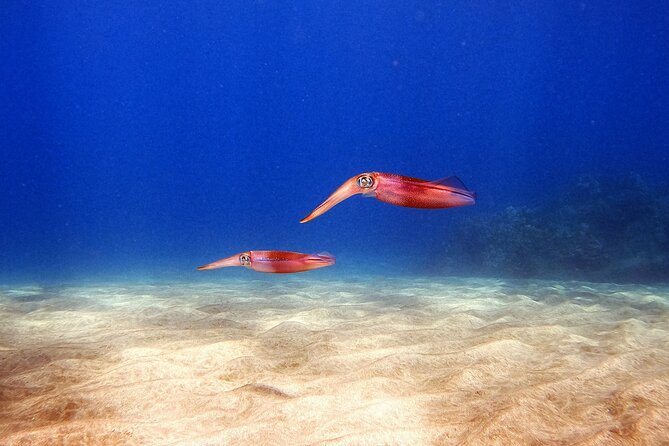
A strong pre-water briefing is one of the most praised parts of this operation. People specifically highlight thorough briefings, clear instructions, and a safety-conscious approach.
You’ll get practical coaching before you go in: what the plan is for the reef, how to manage gear and buoyancy expectations, and how to communicate if conditions feel different than expected. That matters because shore entry can change the timing and body rhythm compared with a boat drop-off.
Guide names you might see include Sarah Sisco as well as Sarah, Deborah (owner/manager), and Brian. Review comments repeatedly point to friendly, patient instruction and an ability to spot things underwater that the group might miss.
The Underwater Plan: Coral Reef + Specific Wildlife Targets
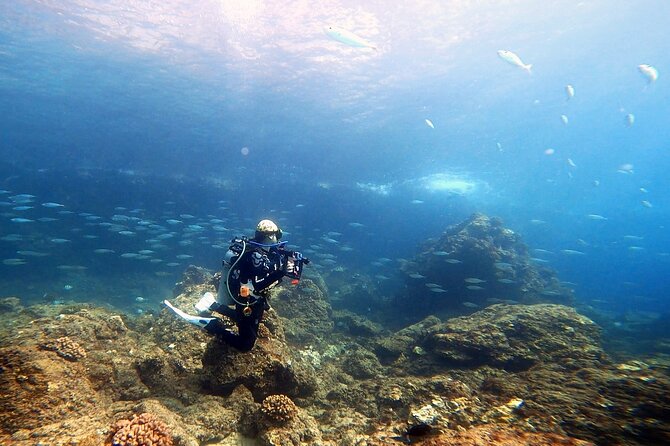
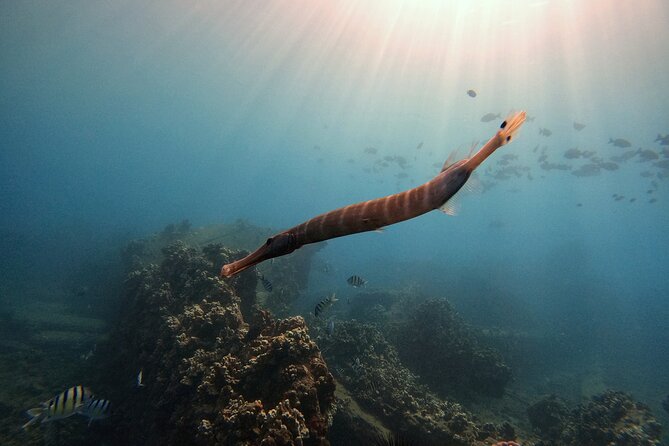
This outing focuses on an extensive coral reef and the kinds of marine life that actually show up in West Maui waters. The operator lists potential sightings including:
- Green turtles
- Octopus
- White tip reef sharks
- Moray eels
- Spotted eagle rays
- Frogfish
- Nudibranchs
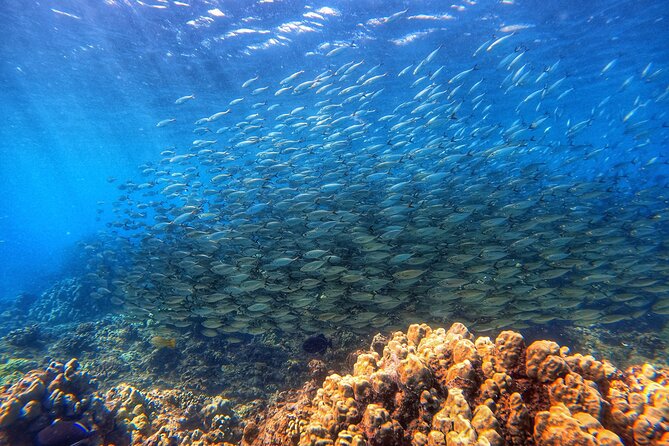
- Colorful reef fish
You might also hear whale song when in season. That’s one of those moments where you realize the ocean isn’t silent even when the water looks still.
Sites that can come up depending on conditions and the day’s plan include areas such as Mala Pier / Mala Ramp, Black Rock at Ka’anapali Beach (including night-style outings on some schedules), and the Old Airport site. If you’ve been chasing variety on Maui, that mix of sites is part of the appeal.
Mala Pier, Black Rock, and Old Airport: What Each Style of Site Adds
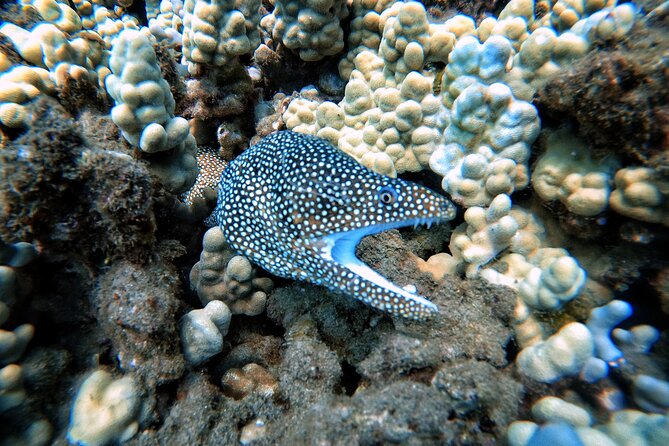
Because the outing is shore-based, the “site” is really where the reef character changes—entry conditions, bottom type, and what you’re likely to notice.
At the Mala Pier / Mala Ramp area, the reef tends to support the kind of tropical fish schools and critter spotting that people associate with West Maui shore trips. One strong example from an earlier participant: finding schools of spotted eagle rays, plus critters like a leaf scorpionfish.
Around Black Rock, some outings run at dusk or in full night conditions. That’s a different underwater atmosphere: more texture, different animal behavior, and a lot of value if you’ve never done a night-style shore session. One participant described two night-and-after-dark style sessions with great underwater time and long, calm pacing.
At the Old Airport site, the focus often shifts to small critters and good “camera-for-things-you’d-miss” opportunities. One person mentioned seeing lots of small critters there, along with continued buoyancy dialing-in with the help of the guide.
In-Water Leadership: What “Safety Conscious” Means Here
When people say the operation is safety-conscious, they’re usually pointing to a few real-world actions. You can expect them to run the plan with attention to spacing, clear signals, and steady monitoring of how everyone is doing.
Instructors also seem to work hard on comfort. One participant shared that a newer diver who forgot regulators still got through the plan because there was a quality spare set ready. That’s not something you want to count on as a habit, but it does show the operation is prepared for common mistakes without turning it into a stress event.
The repeated theme is calm competence: guides who don’t rush, who spot animals for you, and who help you keep your body position under control.
After Your Session: The 1,000 Ft Rule You Must Follow
Here’s a key post-session rule: you must stay below 1,000 ft for 18 hours after your scuba session. That includes activities at elevation, and the operator specifically calls out Mt. Haleakala, certain hikes, upcountry towns like Kula and Makawao, and activities like helicopter tours, paragliding, hiking, and ziplining.
If your Maui plan includes a trip upcountry the same day or a big altitude day after, adjust your schedule. The rule is there for a reason, and skipping it can put you at risk.
Practical move: plan a low-elevation evening near the coast. You’ll feel better, and your day won’t get derailed by last-minute “we can’t do that” moments.
What to Bring (and What to Double-Check)
The operator lists key items/requirements, and you should treat them as your checklist:
- Proof of certification (required)
- English fluency for instructions (required)
- Ability to carry at least 50 lbs and enter/exit with 40 lbs
- Good physical health
- A plan for the 18-hour below 1,000 ft rule after
If you use your own equipment, make sure your setup is clean and ready before you arrive. Shore entry days punish sloppy staging, and you’ll enjoy the experience more if you’re not fighting gear issues midstream.
Who This Is Best For on Maui
This is ideal if you’re a certified scuba participant who wants a structured shore-based reef experience and you enjoy seeing real marine life up close. It also fits you if you value:
- tight coaching during prep and in the water
- small group dynamics (max 6)
- opportunities for different site styles like dusk/night and critter-focused areas
It’s also a good match if you’re drawn to the conservation-minded angle and want your money to support reef rebuilding efforts.
Where you might look elsewhere: if you’re not comfortable with shore entry work, or you can’t meet the English and physical requirements, this won’t be a good fit.
Should You Book This Ka’anapali Coast Shore Scuba Session?
I’d book it if you want West Maui reef time without adding boat logistics, and you appreciate safety-first leadership with clear briefings. The price also makes sense because equipment use and government fees are included, and the group size is kept small for better attention.
Skip it if you can’t handle the shore-based carry/entry demands, or if your schedule requires high-elevation plans soon after. The 18-hour below 1,000 ft rule is the kind of constraint that either makes your day smoother or complicates it fast.
If you’re a confident certified scuba participant, and you’re aiming for wildlife sightings like turtles, rays, octopus, and reef fish, this is a solid way to spend your Maui time.
FAQ
How long is the Ka’anapali shore scuba session?
It runs for about 2 hours.
Where do I meet for the tour?
You meet at Kahekili Beach Park, 65 Kai Ala Dr, Lahaina, HI 96761, USA. The activity ends back at the meeting point.
What’s included in the price?
Scuba equipment use and government fees are included.
Do I need private transportation?
Private transportation is not included, so you’ll need your own way to get to Kahekili Beach Park.
What certification do I need?
You must be able to show proof of certification. If you haven’t done a scuba session in the last two years, a refresher is strongly recommended.
What physical requirements are required for shore entry?
You must be in good physical health and be able to carry at least 50 lbs. Shore diving also requires the ability to enter and exit the water with at least 40 lbs.
Is there an elevation restriction after the session?
Yes. You must stay below 1,000 ft for 18 hours after your scuba session, which can affect plans like Haleakala, upcountry towns such as Kula and Makawao, and certain activities.