REVIEW · MAUI
Electric Foilboard rides/lessons/sessions at Sugar Beach, Maui
Book on Viator →Operated by Aloha Efoils · Bookable on Viator
Learning to fly over Maui starts fast. Electric foilboard sessions at Sugar Beach in Maalaea Bay turn a no-prior-experience idea into something you can try in a couple of hours, thanks to beach-based setup and focused instruction. I love the small-group format (max 6) because it keeps the lesson personal, and I also like that every session starts with pre-flight training on the sand so you know what you’re doing before you hit the water. The main consideration: you’ll need decent balance and flexibility, and there’s a strict 235-pound weight limit.
I especially liked how instruction is practical and in-the-moment. Steve rides with you, gives verbal guidance, then lets you get enough time on the board to feel what control actually means in tropical water, even if the pace is a bit fast. That said, expect a learning curve—efoiling is easier than many water sports once you’re up, but it still asks your body to stay coordinated.
You’ll meet at 235 N Kihei Rd, Kihei, and your session ends back at the same spot. The activity runs about 2 hours, is offered in English, and the minimum age is 12 (no upper limit). If you’re aiming for a fun, first-time taste of powered flight over the ocean, this is one of the more beginner-ready ways to do it on Maui.
In This Review
- Key Highlights You’ll Feel Right Away
- Sugar Beach Efoiling: What Makes This Maui Session Different
- Before You Go: Fitness, Balance, and the 235-Pound Limit
- Where You Start at 235 N Kihei Rd (and Why That Helps)
- Beach Pre-Flight Training: The Part That Makes or Breaks Day One
- The Ride in Maalaea Bay: What Efoiling Feels Like
- Instructor Time with Steve: What Small-Group Really Means
- What to Wear and Bring (So You Don’t Waste Your Energy)
- Weather Rules: Why Good Conditions Matter for Efoiling
- Who This Experience Suits Best (and Who Might Reconsider)
- Value Check: Is 2 Hours Enough?
- Should You Book Electric Foilboard Lessons at Sugar Beach?
- FAQ
- How long is the Electric Foilboard session?
- Where does the experience start?
- Is there a minimum age?
- Do I need prior experience to ride an electric foilboard?
- What is the weight limit?
- How many people are in a group?
- Is the session offered in English?
- What happens if weather is poor?
- Can I cancel for a full refund?
- Are service animals allowed?
Key Highlights You’ll Feel Right Away
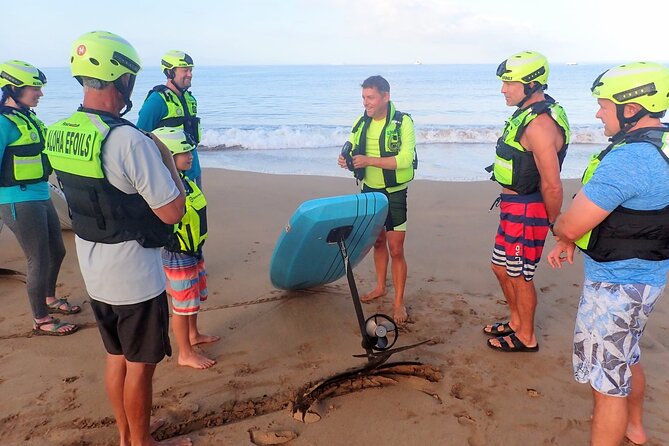
- Beach pre-flight training that sets your body up before you ever get on the foil
- Max 6 travelers so you’re not lost in a crowd
- Steve-style coaching with verbal instruction while you’re riding
- Beginner-friendly format with no experience required
- No upper age limit, with a minimum age of 12
- Maalaea Bay conditions that make it a great place to learn (when weather cooperates)
Sugar Beach Efoiling: What Makes This Maui Session Different
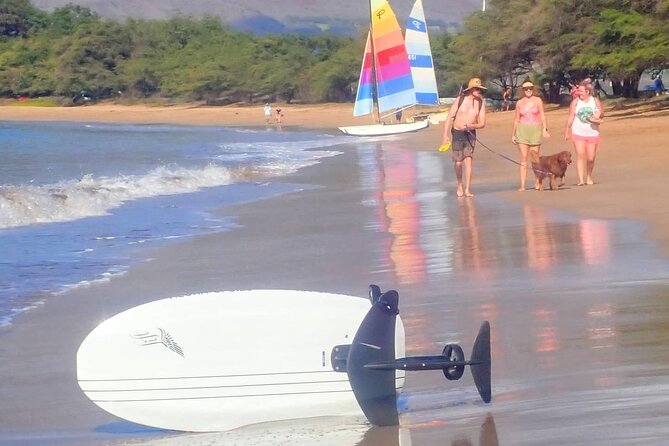
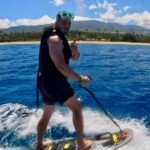
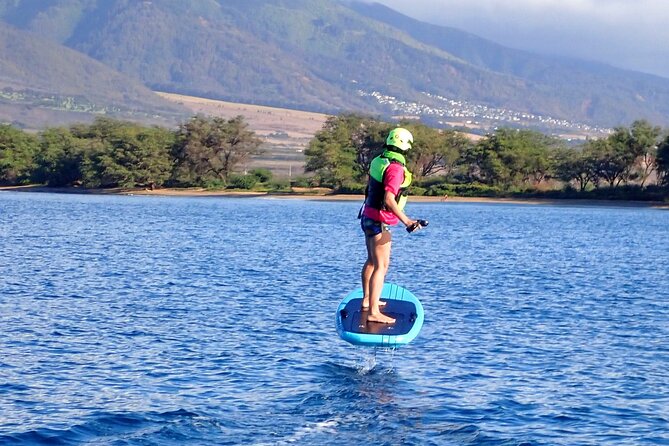
Maui has plenty of water sports, but electric efoiling has a specific magic: you get the feeling of flying, with less of the brute-force that surfing can demand. At Sugar Beach (Maalaea Bay area), the whole session is built around helping you go from standing to controlling a board that’s lifting on a submerged wing.
This is not a show-up-and-hope activity. You’ll start with pre-flight training on the beach, then move into the water with an instructor close enough to correct your body position and pacing. That approach matters because efoiling isn’t about strength—it’s about balance, timing, and tiny adjustments. If you understand what your body needs to do before you’re in motion, the session feels much more doable.
The vibe is also grounded. Small-group instruction means you’re getting attention instead of waiting your turn. And with electric power, you’re not fighting wind the way you would with windsurfing. You’re learning control, not just survival.
A few more Maui tours and experiences worth a look


Before You Go: Fitness, Balance, and the 235-Pound Limit
Efoiling is often described as easier than surfing or windsurfing. I’d phrase it like this: it may be easier to get moving, but it still requires coordination. Your tour info is clear about what the activity asks of you—balance, flexibility, and a moderate physical fitness level.
The practical limits are important:
- Minimum age: 12
- No upper age limit
- Weight limit: 235 pounds
- You should have a good sense of balance and flexibility (not just willingness)
If you’re the type who wants a relaxed stroll, this might feel like the wrong kind of workout. But if you’re comfortable standing, moving your hips and knees, and adjusting in real time, you’re in the right zone. Think of it as learning a skill that uses your whole body—like learning to ride a bike, only wetter and faster.
Where You Start at 235 N Kihei Rd (and Why That Helps)
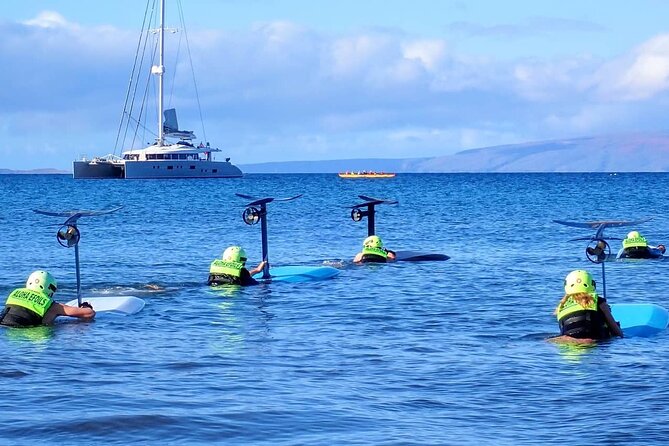
Meeting at 235 N Kihei Rd keeps things straightforward. You’ll begin there, and you’ll return there at the end of the session. That matters on Maui, where drive times and parking can turn a fun plan into an exhausting one.
Because your session ends back at the meeting point, you don’t need to think about transport after you’re done. You can focus on the lesson, then head into the rest of your day without logistics stress.
Also, the session is about 2 hours (approx.). That timing is ideal for first-timers. Long enough to get real coaching, not so long that you lose momentum from practice fatigue.
Beach Pre-Flight Training: The Part That Makes or Breaks Day One
Every session includes pre-flight training on the beach before you go out. That’s one of the most valuable parts of the whole experience, even if you might be tempted to skip ahead mentally.
Here’s why it works: when you’re on land, you can learn how to stand and shift your weight without the added challenge of waves, speed, and the mental load of balancing while moving. Your instructor can explain key body positions, then show what good posture looks like. You get the basics for coordination—before you’re committed in the water.
It also helps you manage nerves. If you’ve ever tried a new sport and felt overwhelmed in the first minute, you know how much training on shore reduces that shock. Instead of guessing, you’re already practicing the movements you’ll repeat once you’re gliding.
The Ride in Maalaea Bay: What Efoiling Feels Like
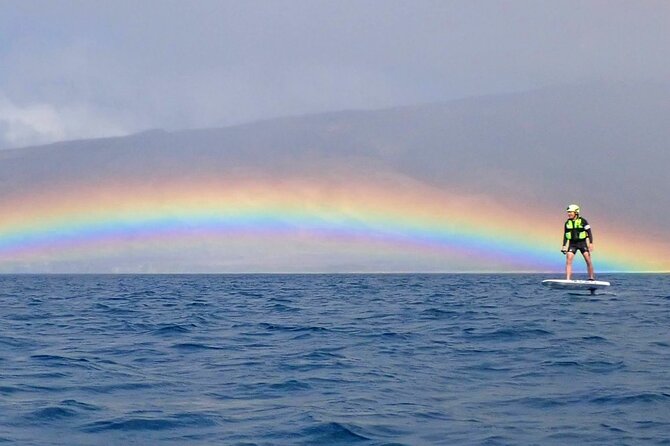
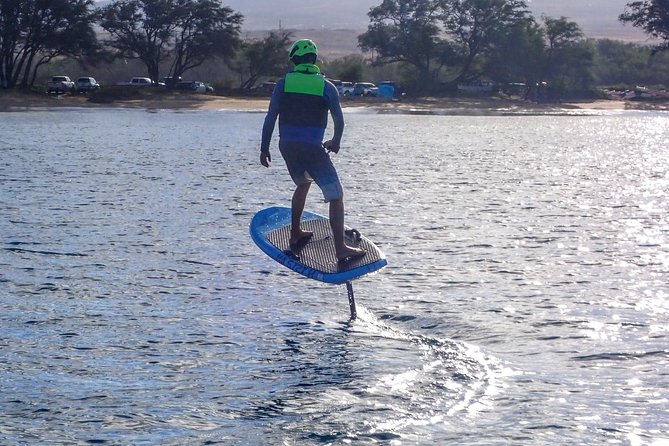
Once you’re on the water, the session shifts from “learning positions” to “learning feel.” In the water, everything changes quickly: your board reacts to your stance, the wing finds its lift, and you start understanding how small shifts control your direction.
From the coaching style described in the experience feedback, the instruction is hands-on. Steve rides along and provides verbal instruction while you’re out there. That’s helpful because you’re not just hearing tips—you’re receiving them while the action is happening, so you can immediately try the adjustment.
There’s also a very real tempo to how sessions play out. In one account, the instructor allows riders to get enough time to use the battery on the machine before the lesson ends. That means you’re not just watching a demonstration—you’re getting real practice time. For first-timers, that’s where confidence comes from.
And yes, you’ll still work through a learning curve. Even when conditions are right, your body will need a few attempts to find the sweet spot between tense and floppy, too rigid and too loose. The good part is that the session is designed to keep you moving forward, not stuck.





Instructor Time with Steve: What Small-Group Really Means
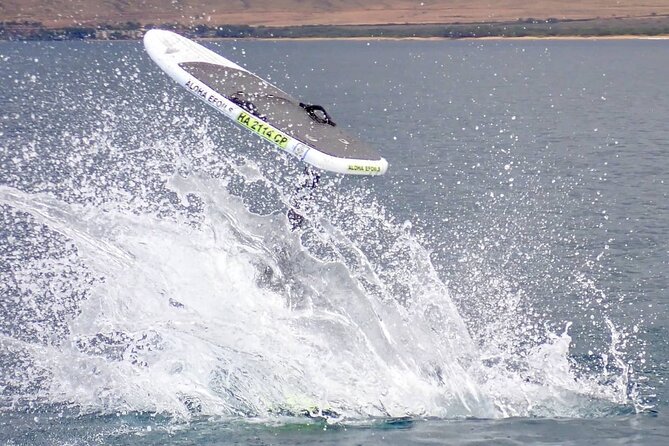
A max group size of 6 is more than just a number. In a skill like efoiling, quality coaching depends on attention. Too many people, and you’re waiting, guessing, or practicing with less guidance.
The style of teaching from Steve is repeatedly highlighted: he’s described as competent and experienced at getting beginner foilers up and riding quickly. The communication is also a big theme—people call out how well he explains things and how clearly he communicates during the ride.
One review notes that Steve’s demeanor can come off a little rough around the edges at times, especially when there are mechanical challenges or when an assistant isn’t present. That’s worth knowing. It doesn’t sound like a deal-breaker, but it does suggest the experience is run by humans, not robots—so the day can include minor disruptions as gear gets dialed in.
In plain terms: you’ll want to go in with a flexible mindset. The upside is you’ll get a lot of direct instruction from the instructor who’s actively working to get you riding.
What to Wear and Bring (So You Don’t Waste Your Energy)
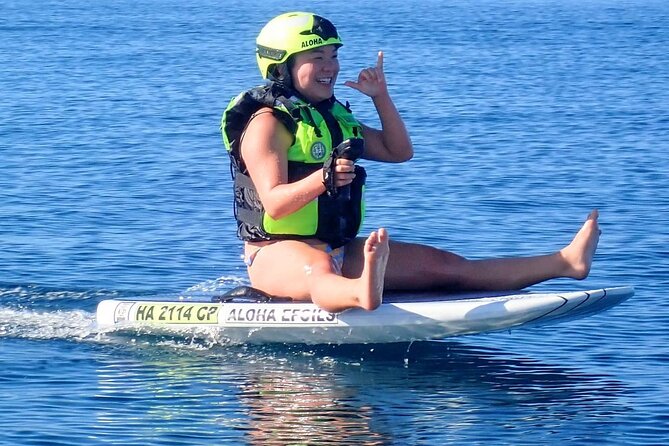
Your info doesn’t list specific gear requirements, but you can plan smart based on what efoiling sessions require in general. You’ll be in the water, moving your body for balance, and spending time waiting between attempts.
Plan for:
- Comfortable swim or water-friendly clothing you’re okay getting wet
- Footwear appropriate for walking around your starting area (you’ll likely be on sand and near gear)
- Sunscreen and sun protection (Maui sun is serious, even when it feels breezy)
- A moderate fitness mindset: you’re doing a new skill, so don’t show up overly tired or sore
If you tend to get chilled easily, bring a layer for after the session. Once you stop moving, wet gear and sea air can cool you down fast.
Weather Rules: Why Good Conditions Matter for Efoiling
This activity requires good weather. That isn’t a red-tape detail; it’s how they keep the experience safe and smooth.
Your session can be canceled if conditions aren’t right, and if that happens, you’ll be offered a different date or a full refund. If you’re planning this as a “must do,” it’s smart to build it into a window where you have backup time. On Maui, weather can shift, and efoiling is one of those activities that wants calm, cooperative conditions.
Who This Experience Suits Best (and Who Might Reconsider)
This is a strong choice if you:
- Want to try a new water sport without needing prior experience
- Like learning with an instructor and want small-group attention
- Are comfortable standing and adjusting your stance quickly
- Are within the 235-pound limit and meet the age requirement (12+)
It might be a tougher fit if you:
- Know you struggle with balance or coordination right away
- Aren’t comfortable with a moderate physical effort for a short, intense learning block
- Are hoping for a completely relaxed, sit-and-watch experience (you’ll be moving, practicing, and focusing)
If you’re coming from the world of snorkeling and beaches, this is a step up. But if you’re open to effort, the payoff is huge: you’re not just seeing Maui from the shore—you’re learning how it feels when the water carries you.
Value Check: Is 2 Hours Enough?
You might wonder if a 2-hour (approx.) session gives you enough time to learn. For efoiling, it’s actually a workable length for beginners because the session includes both land training and water practice.
The beach pre-flight training reduces confusion fast. Then, the water time with instructor verbal guidance helps you translate what you learned into movement and control. With small group size, you also spend less time waiting around.
It won’t turn you into an advanced rider in one go. But it can absolutely give you a real first experience with momentum—enough that you’ll likely know whether you want to do it again.
Should You Book Electric Foilboard Lessons at Sugar Beach?
I’d book this if your goal is a real beginner attempt at efoiling with coaching that stays close to you. The combo of beach pre-flight training, a small group (max 6), and instruction from Steve is a strong setup for learning without feeling lost.
You should think twice if you don’t meet the physical balance/flexibility requirements or if you’re over the 235-pound limit. Also, if weather is tight in your trip schedule, give yourself some flexibility, since the activity can be moved or refunded.
FAQ
How long is the Electric Foilboard session?
It’s about 2 hours (approx.).
Where does the experience start?
You’ll meet at 235 N Kihei Rd, Kihei, HI 96753, USA.
Is there a minimum age?
Yes, the minimum age is 12, and there is no upper limit.
Do I need prior experience to ride an electric foilboard?
No experience is required, but you will need balance, flexibility, and coordination.
What is the weight limit?
The weight limit is 235 pounds.
How many people are in a group?
The activity has a maximum of 6 travelers.
Is the session offered in English?
Yes, it’s offered in English.
What happens if weather is poor?
The experience requires good weather. If it’s canceled due to poor weather, you’ll be offered a different date or a full refund.
Can I cancel for a full refund?
Yes. You can cancel up to 24 hours in advance for a full refund. If you cancel less than 24 hours before the start time, the amount paid is not refunded.
Are service animals allowed?
Yes, service animals are allowed.