REVIEW · MAUI
Complete Island 60-Minute Helicopter Tour
Book on Viator →Operated by Air Maui Helicopter Tours · Bookable on Viator
Maui from the air is a cheat code. This complete-island helicopter tour links East Maui to the West Mountains in one smooth hour, with your pilot giving live narration through a headset. You get an aerial angle on Haleakalā, Hana, waterfalls, and even neighboring Molokai—views you just can’t copy from the road.
I especially like how the flight focuses on real seeing: unobstructed angles over ravines, ridgelines, and crater terrain, not just scenic hovering. I also like the human touch—pilots such as Captain Kirk, Vince, and Drew are story-forward, and they’ll work the helicopter to help you get the best sights from where you’re seated.
The main drawback is simple: weather controls the route and what you’ll actually see. If clouds or conditions block the planned areas, you may get rerouted, and that can change which highlights you get (or don’t get).
In This Review
- Key things to know before you fly
- From Kahului Heliport to a small cabin with real storytelling
- The East Maui sweep: sugar fields, Hana-area views, and waterfall spotting
- Haleakalā crater: seeing the volcano’s inside, not just its silhouette
- West Maui Mountains and the Wall of Tears waterfalls
- Molokai and the 4,000-foot sea cliffs (plus whale season odds)
- Photo reality check: window reflections, seat position, and smooth flying
- The value question: what $443.34 gets you (and what it doesn’t)
- Weather is the biggest variable—plan like you’re on island time
- Who should book this, and who might want to choose differently
- Should you book Air Maui’s complete-island tour?
- FAQ
- Does the tour include hotel pickup?
- How long is the flight?
- How many people are in the helicopter?
- What language is the tour provided in?
- Are there weight restrictions?
- Do I need to wear anything specific?
- Can I bring a backpack or purse?
- Is the flight recording USB included?
- What happens if weather cancels the flight?
Key things to know before you fly
- Small group (up to 6) in a shared cabin, so it feels personal instead of crowded.
- Air-conditioned, leather seating with forward-facing seats and pilot narration via headset.
- Route covers both coasts: East Maui’s Hana area and West Maui Mountains plus the Wall of Tears.
- Haleakalā crater views are part of the core experience, but weather can shift how much you see.
- Molokai sightings plus the winter chance of spotting humpback whales from the sky.
- Window-photo tip: wear dark clothing to cut reflections, and sit with window access if photography matters most.
From Kahului Heliport to a small cabin with real storytelling
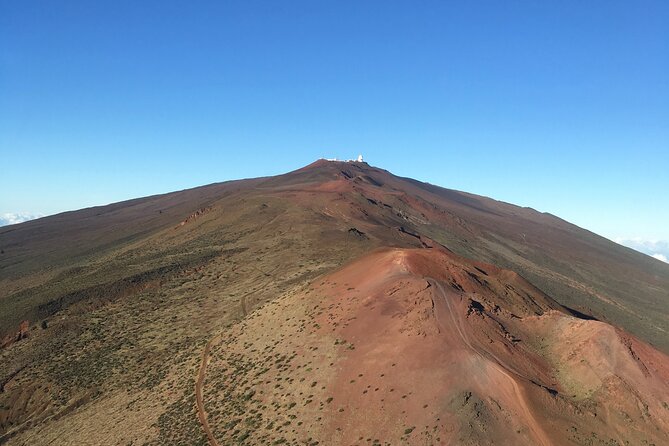
Your tour starts at Kahului Heliport (108 Lelepio Pl, Kahului). You’ll board a helicopter that holds up to 6 passengers plus the pilot, with a total of six passengers in forward-facing leather seats. It’s air-conditioned, and the vibe is more “guided flight” than “thrill ride,” because the pilot doubles as your tour guide and talks you through what you’re looking at.
Once you lift off, the headset narration kicks in right away. This is one of the best parts of the whole experience: you’re not just floating above random geography. You’re hearing what you’re seeing—geology, island lore, and why certain areas look the way they do from above.
A practical note: this is weight-managed aviation. You’ll need to follow the stated weight rules at booking (including extra-seat requirements above the listed thresholds), and you must advise passenger weights when you book. Also plan for a strict “carry-on reality.” There are no bags allowed on board, including purses, fanny packs, and backpacks, so travel light.
A few more Maui tours and experiences worth a look



The East Maui sweep: sugar fields, Hana-area views, and waterfall spotting
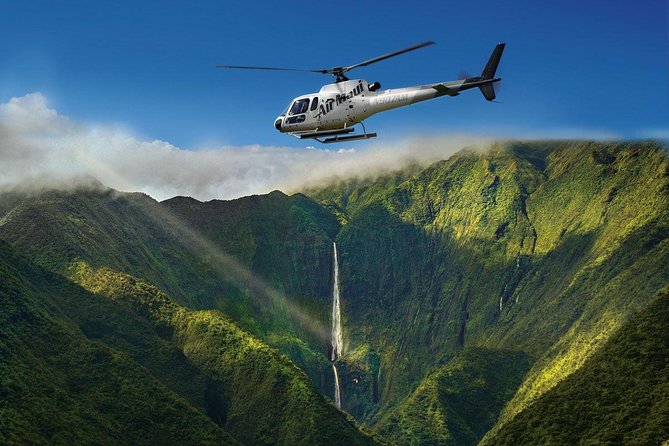
The flight begins with an East Maui run that tends to feel like the island’s “middle layer.” Early on, you’ll often see fields of waving green sugar from the air—an immediate reminder that Maui isn’t only coastline and beaches. It’s also farmland, valleys, and working landscapes, all arranged in neat lines from above.
Then the tour aims for the Hana direction, where the terrain becomes dramatic fast. You’ll look down at the Hana coast and the famous Road to Hana area from the sky, and you’ll spot waterfalls and water features that are hard to piece together from a car because you’re always turning your head to avoid missing the next turn.
This is where helicopter time pays off. From the seat of a vehicle, you get one slice at a time. From the sky, you can see how the coastline bends, where streams feed into gullies, and which waterfall clusters line up with the ridges feeding them. If you like the “how does this all connect?” feeling, East Maui from above is where you get it.
One more thing: seating affects what you can photograph. Some folks find that from back seats, curved plastic windows can distort views and create reflections. That’s not a deal-breaker for seeing the sights, but it’s worth knowing if you’re counting on postcard photos.
Haleakalā crater: seeing the volcano’s inside, not just its silhouette
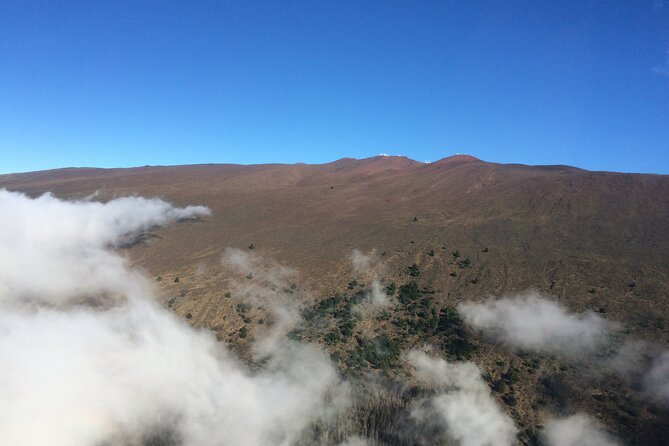
Haleakalā is the headline, and the tour treats it like one. After the East Maui portion, the helicopter heads toward the volcano area and you get a view into the crater region—described as lunar-like terrain with stark, exposed features.
What makes this special is perspective. On the ground, Haleakalā can feel like a long hike up to a viewpoint. From the air, you’re closer to the shape of the crater itself, and you can see how the terrain breaks into ridges and folds. Even if weather shifts your exact path, this crater segment is a core part of the overall “complete island” promise.
Because weather can change routes, you should treat the volcano part as a best-effort highlight rather than a guaranteed checklist item. Cloud cover can mean you’ll see less of the crater interior than planned. On the bright side, if clouds block one piece, the pilot may trade time for other areas you’d otherwise never reach by driving.
West Maui Mountains and the Wall of Tears waterfalls
After the crater area, the flight turns toward the West Maui Mountains, and the vibe changes again—from exposed volcanic terrain to rugged ridgelines and forested areas.
This is where the narration gets extra real, because those ridges aren’t just scenic. They’re part of the island’s water story—how winds and elevation shape rainfall, where streams collect, and why certain areas have clusters of waterfalls. You’ll hear the geology and history/lore associated with these sacred ridgelines as you look down on forested contours.
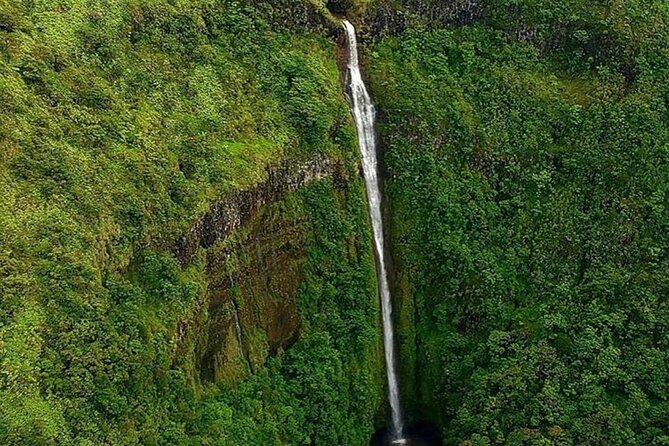
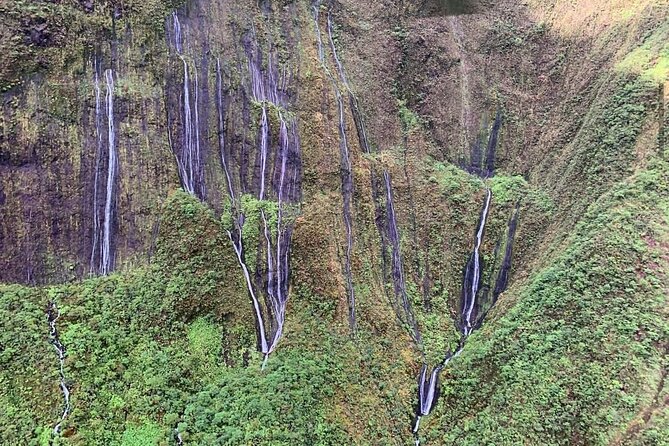
Then comes the moment many people remember most: the “Wall of Tears,” where dozens of falls drip through steep terrain. To be blunt, this is one of the few ways you can truly understand what “many waterfalls at once” looks like. From the ground, you can chase waterfalls one by one. From the helicopter, the falls appear as a pattern across the mountainside, with the terrain doing the work of creating the drama.
If you care about waterfall viewing in particular, this West Maui section is the reason the tour earns its reputation.
Molokai and the 4,000-foot sea cliffs (plus whale season odds)
One of the smartest parts of this tour is that you don’t stop at Maui. You also get a look at neighboring Molokai, which gives you a broader sense of the island chain.
From the air, you can see Molokai’s dramatic sea cliffs—around 4,000 feet (1,220 meters). Watching those cliffs from above isn’t just scenic. It helps you understand why the ocean looks different here and why certain coastlines feel so remote and rugged from land.
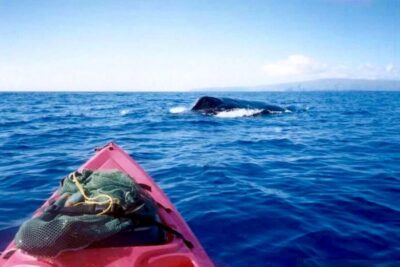
In winter, there’s sometimes the possibility of spotting humpback whales from the sky. It’s not a guarantee, and it depends on season and conditions, but it’s a nice “bonus” your pilot may keep an eye out for once you’re out over the right stretches of ocean.





Photo reality check: window reflections, seat position, and smooth flying
Let’s get practical about photos, because helicopter cameras live or die by small details.
First, the tour asks you to wear dark clothing. The reason is simple: dark colors cut down on window reflections, so your face and the cabin don’t show up as distracting glare in your photos. It’s a small prep step that can seriously improve shot quality.
Second, seat position matters. If you want the best window views and more consistent photo angles, aim for a front or window-leaning seat when you can. People in the back have reported getting fewer usable photos, especially with distortion from the small curved windows and reflections from inside the helicopter.
Third, motion is real—even when the pilot flies smoothly. If you’re sensitive to motion, consider bringing motion-sickness help. One review specifically suggested Dramamine for those who need it. The good news: many passengers find the ride gentle, and the headset narration keeps you oriented.
Finally, be mindful of other people’s phones. If someone leans over your line of sight to film, it can block your view. It’s not about rules; it’s just shared space in a small cabin.
The value question: what $443.34 gets you (and what it doesn’t)
At $443.34 per person, this isn’t a “cheap wow” activity. You’re paying for three things: time in the air, access to places driving can’t match, and live narration from a pilot-guide who’s actively managing the flight.
So the value hinges on your expectations:
- If you want the shortest path to “I’ve seen Maui from the sky,” the price can feel fair. You cover East Maui, West Maui Mountains, Haleakalā’s crater area, and Molokai in one hour.
- If you’re expecting a guaranteed, identical route no matter the weather, you might feel disappointed. Routes and sights can vary, so you’re buying flexibility plus pilot expertise—not a rigid itinerary promise.
A nice detail is the optional souvenir USB. It can include footage of your flight along with pilot narration and Hawaiian music. It’s not listed as included, but it’s available, and some guests have said they were given picture/video items in certain situations.
What’s not included is also important: there’s no hotel pickup or drop-off, and food and drinks aren’t part of the price. Plan to handle your own timing getting to Kahului and keep water/energy simple.
Weather is the biggest variable—plan like you’re on island time
Helicopters are honest about reality: you’re flying in wind, clouds, and changing visibility. This tour specifically notes that the route and sights may vary due to weather, and the flight requires good weather.
What that means for you: treat the flight as a high-impact experience with a weather fallback plan already in mind. Scheduling this earlier in your trip can help, since you may have more flexibility to reschedule if conditions block a planned route.
Also, confirmation timing can depend on how close you book to travel date. If you book within three days of your trip, you may receive confirmation within 48 hours subject to availability. It’s a small admin detail, but it can matter on a tight schedule.
On the ground, staff communication and organization seem to be a strong point. Many people report the team being friendly and getting things moving smoothly. Still, one caution sticks out from the less positive stories: if you’re unlucky with weather delays or reroutes, your best attitude is patience. Safety and route decisions are made for flying conditions first.
Who should book this, and who might want to choose differently
This tour fits you well if:
- You want a big-picture overview fast—East and West Maui in one go.
- You’re curious about geology and why the island looks the way it does, not just where to take a photo.
- You like the idea of spotting waterfalls and crater terrain from angles that road trips can’t replicate.
You might think twice if:
- You’re very photo-dependent and need guaranteed, perfect window shots from a specific seat. In a small cabin, not every seat gives the same photo results.
- You’re uncomfortable with motion and aren’t likely to bring motion-sickness help. The ride is often smooth, but it’s still an aircraft in motion.
Families can enjoy it too, but keep in mind the helicopter cabin is weight- and space-managed. No bags are allowed, and the seating is tight by nature of a six-passenger helicopter.
Should you book Air Maui’s complete-island tour?
I’d book it if you want Maui’s highlights in one hour, and you’re flexible about route changes. The best-case scenario is a clean run where you see East Maui’s Hana-area details, get into the Haleakalā crater segment, fly over West Maui’s waterfalls and the Wall of Tears, and catch the extra context of Molokai’s cliffs—possibly with winter whale spotting luck.
Skip it only if your trip has zero flexibility and you’d be upset if clouds block a chunk of the planned sights. In other words: treat it like a high-value experience with weather-based odds, not a timed guarantee.
FAQ
Does the tour include hotel pickup?
No. Hotel pickup and drop-off are not included. You’ll meet at Kahului Heliport (108 Lelepio Pl, Kahului).
How long is the flight?
The experience is about 1 hour total, including a 60-minute flight over East and West Maui.
How many people are in the helicopter?
The helicopter is a shared cabin with a maximum of 6 travelers plus one pilot.
What language is the tour provided in?
The tour narration is offered in English.
Are there weight restrictions?
Yes. Total weight per passenger is listed as 240 lbs, and additional seat rules apply for higher weights and group averages. You must advise all passenger weights at booking. Under representation of body weight may result in cancellation at check-in with no refund.
Do I need to wear anything specific?
The tour asks all passengers to wear dark clothing to help reduce window reflections and improve photo results.
Can I bring a backpack or purse?
No bags are allowed on board, including purses, fanny packs, and backpacks.
Is the flight recording USB included?
A souvenir USB containing footage of your flight is available for purchase. Flight recording on a USB is listed as not included.
What happens if weather cancels the flight?
The tour requires good weather. If it’s canceled due to poor weather, you’ll be offered a different date or a full refund.