REVIEW · MAUI
Haleakala Crater Hiking Experience
Book on Viator →Operated by Hike Maui · Bookable on Viator
Haleakala crater hiking feels like walking on the moon. This 7-hour small-group outing takes you into one of Maui’s most dramatic National Park settings, with a local guide talking mountain ecology and safety as you go.
I especially like the included lunch and snacks, because they help you stay steady during the climb and high-altitude stretches. I also like the rounded crater experience, since you get time hiking deeper into the crater and then higher toward summit areas, instead of only seeing it from the road.
The main thing to consider is that you’re driving your own day logistics: there’s no hotel pickup, and the hike’s pace is moderate but still real, with weather playing a role.
In This Review
- Key highlights worth your time
- Entering Haleakala crater at Maui Park n’ Ride
- Price and Logistics: what $208.38 really buys you
- Stop 1: Haleakala Crater hiking (the real reason to book)
- Stop 2: Haleakala Highway – Crater Road views and camera time
- Going higher: 10,000 feet, cinder cones, and that quiet crater feel
- What you might spot: endangered birds, silverswords, and sacred ground
- Snacks, lunch, and pacing that keeps you moving
- The guide factor: safety, stories, and real-world help
- Weather reality: what all-weather operation means for your plans
- Photos and shoes: small choices that matter at 8,000 to 10,000 feet
- Who this tour is best for on Maui
- Booking timing: when 42 days in advance helps
- Final call: should you book the Haleakala Crater Hiking Experience?
- FAQ
- Where does the Haleakala Crater hike start?
- What time does the tour begin?
- How long is the tour and how far do you hike?
- Is lunch and snacks included?
- Do I need to arrange my own transportation to Kahului Park n’ Ride?
- What fitness level do I need?
- What happens if the tour is canceled due to weather?
Key highlights worth your time
- Local guides who know the mountain and keep the group moving at a safe pace
- Snacks at around 8,000 feet so you can acclimate before going higher
- A climb toward 10,000 feet with cinder cones and big, quiet crater views
- Small group size (up to 11 travelers, and up to 9 passengers per booking) for a more personal hike
- Lunch plus snacks included, so you’re not scrambling for food partway through
- Wildlife and plants you can actually spot like silverswords and chances at nene geese or petrels
Entering Haleakala crater at Maui Park n’ Ride
This tour starts at Kahului Park n’ Ride with a start time of 8:30 am. That matters because Haleakala weather and light can change fast, and starting earlier helps you get the most out of the day.
If you’re the type who hates rushing, you can still plan calmly. Just aim to arrive with time to use the restroom and get settled before you hike.
You can also read our reviews of more hiking tours in Maui

Price and Logistics: what $208.38 really buys you
At $208.38 per person for about 7 hours, you’re paying for three things: a guide, food, and access to a well-paced crater hike. You’re not just buying views from a parking lot.
The value is strongest if you want someone else handling route flow and safety while you focus on the terrain and the scenery. The group is also capped (no huge crowd), which tends to make the experience feel less like a conveyor belt.
One tradeoff: hotel pickup and drop-off aren’t included. You’ll need to plan how you get to Kahului Park n’ Ride and back, since the activity ends back at the meeting point.
Stop 1: Haleakala Crater hiking (the real reason to book)
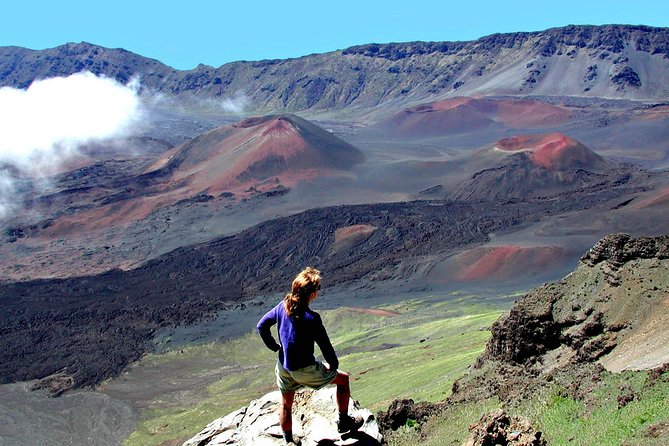
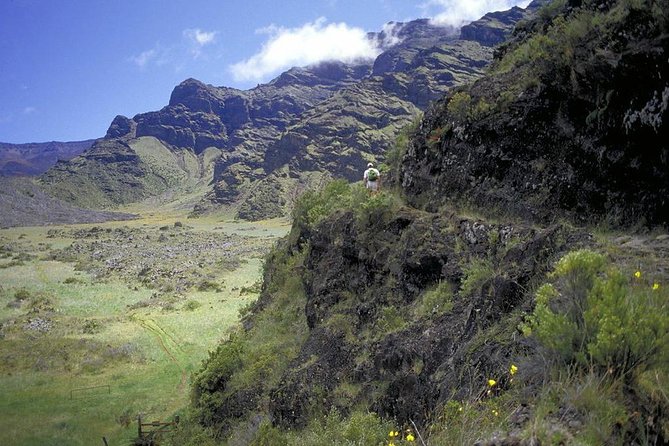
The heart of the day is your time in Haleakala Crater. You’ll do a moderately difficult 4-mile (6.2 km) hike, and the route is designed to give you a more complete feel for the crater rather than a quick walk.
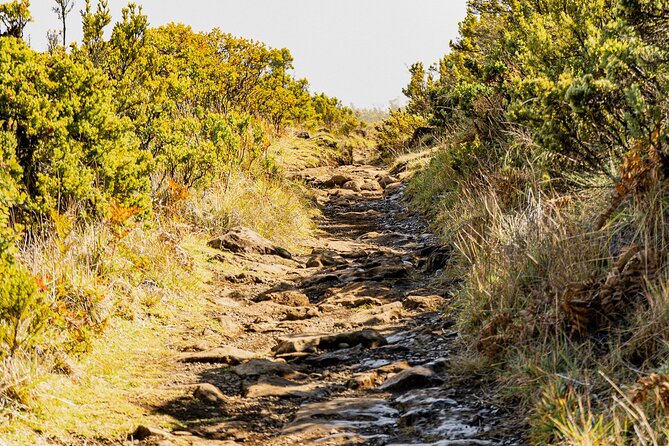
Right at the start of the hike, you’ll stop to acclimate at about 8,000 feet on a thin, lava-strewn trail. That’s a smart rhythm for a lot of people because it gives you time to adjust before the higher stretch.
During that early crater portion, you get hearty snacks with a view of the crater floor. I love this kind of built-in break because it turns the acclimation moment into something useful, not just a stop to catch your breath.
Stop 2: Haleakala Highway – Crater Road views and camera time
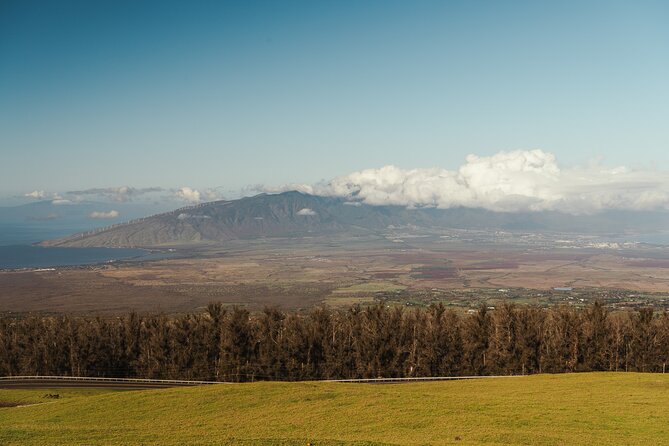
After the main crater hiking time, your day includes a second stop along Haleakala Highway / Crater Road. This is where the tour adds scenic context and gives you another chance to pause, look around, and take photos.
In practice, this is helpful if you like variety in one outing. You get your feet on the crater terrain first, then you shift to wider sightlines where you can reset before heading back down.
One consideration: since this day includes both hiking and a scenic road stop, it isn’t set up as a single nonstop hike the whole time. If you wanted only walking, this structure may feel a bit split.
Going higher: 10,000 feet, cinder cones, and that quiet crater feel
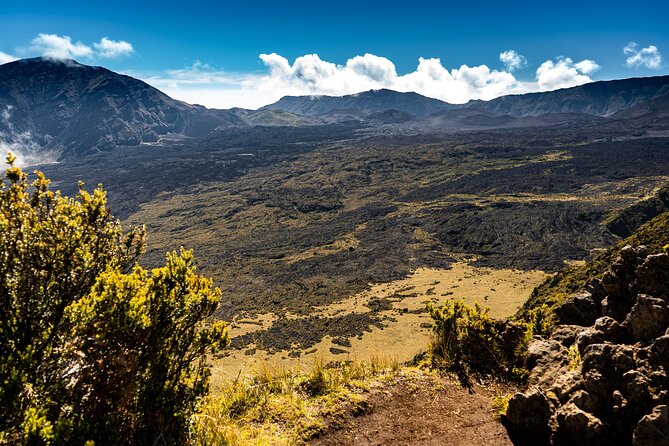
As you continue upward, the hike heads toward around 10,000 ft (3,048 m). The guide’s job here is crucial: altitude plus uneven ground means you want pacing that doesn’t turn the day into a race.
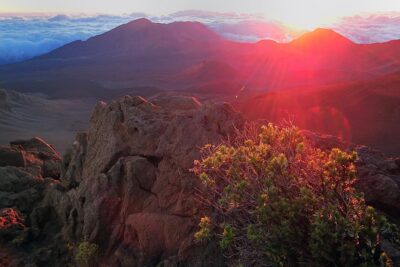
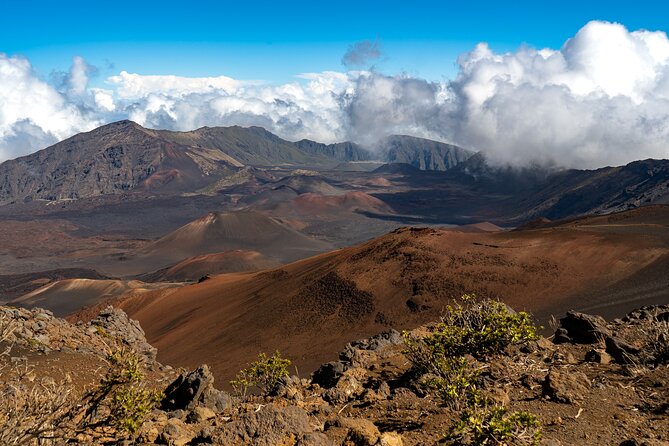
At the higher sections, you’ll walk toward cinder cones with serene, multihued beauty. The view isn’t just pretty; it helps you understand why Haleakala looks the way it does—volcanic geology laid bare.
There’s also something people notice up high: a kind of mystical silence broken by wind and the sound of cinder crunching underfoot. Even if you’re not the poetic type, that sensory detail is part of what makes this crater hike memorable.





What you might spot: endangered birds, silverswords, and sacred ground
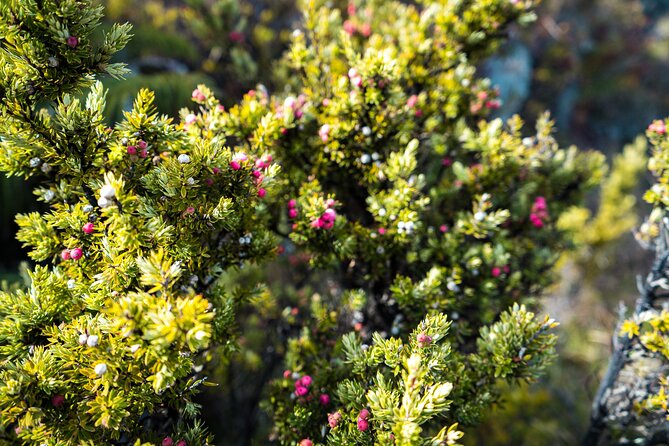
Haleakala National Park has more endangered species than any other park in America, and you’ll learn why that matters as you hike. Native Hawaiians also treat Haleakala as a sacred home for the gods, and that cultural context is part of the experience you’re guided through.
As you move across rocky terrain, you might encounter blooming silverswords. These plants don’t look like they belong in a crater, and that contrast is exactly why the guide’s explanations are worth listening to.
Bird sightings can happen too. The day notes chances of seeing endangered birds like nene geese or petrels. Even if you don’t spot birds, you’ll still come away with a better sense of how carefully this ecosystem has to be protected.
Finally, there may be archaeological sites along the way. The guide context helps you look beyond the view and treat the whole area like an actual living place with meaning.
Snacks, lunch, and pacing that keeps you moving

This is not a “hike until you’re wrecked” tour. The day is designed around a steady pace with breaks, including snacks at the 8,000-foot acclimation stop and lunch included.
That food piece is more valuable than it sounds. At altitude, energy dips hit faster, and being fed by the tour reduces decision fatigue. You don’t have to calculate when you’ll eat or guess if you packed enough.
The hike is described as moderately difficult, and the tour asks for moderate physical fitness. I take that to mean: you should be comfortable with uphill walking and uneven ground, not that you need to be an athlete.
The guide factor: safety, stories, and real-world help
The tour includes a local guide, and reviews also point to support from guides in training who help the group. That mix often means one person can focus on the trail while someone else checks in on pacing, questions, and photo stops.
I like when the guide role is more than narration. A guide should help you read the terrain, keep everyone together, and make the hike feel safe, especially when footing is volcanic and conditions can shift.
In reviews, Marko comes up as especially entertaining and informative, and Joel is noted for helping with photos for social media. You don’t need an Instagram account to care about that, but it does suggest the guides pay attention to how to frame views and when to pause for photos.
Weather reality: what all-weather operation means for your plans
This tour operates in all weather conditions, so you’ll want to dress appropriately. That’s not just a suggestion; it’s part of how you stay comfortable when Haleakala is doing its own thing.
There’s also a weather condition safety element. If the experience is canceled due to poor weather, you’ll be offered a different date or a full refund.
My practical advice: pack like you’re going to multiple climates. Even within a few hours, the crater can feel cooler, windier, and harsher than the road areas.
Photos and shoes: small choices that matter at 8,000 to 10,000 feet
This day practically begs for photos. You’ll see cinder cones, crater floors, and stark volcanic terrain, and the tour flow builds in moments where you can look around and take pictures.
Because the ground is lava-strewn and you’re walking thin trails up high, your best friend is footwear that handles uneven rocky surfaces. The tour doesn’t name specific gear rules, but the terrain description makes it clear that you should come prepared for rocky walking.
Also, consider your camera habits. If you stop every few minutes, you’ll slow the group and get cold faster. A good guide will time pauses well, so watch for their cues and take photos when the group is in position.
Who this tour is best for on Maui
This tour works well if you want a guided Haleakala day without planning every step yourself. If you like small groups, clear instruction, and a day that mixes walking with crater viewpoints, it fits.
It’s also a solid choice for families with children aged 8 and up, as long as kids can handle the hike distance and altitude. The age limit is clear, but so is the expectation of moderate fitness.
If you’re a hardcore hiker who wants maximum time on steep ground, you might feel the hike length is short. On the flip side, if you’re worried about going too far, the 4-mile distance plus planned breaks makes it more manageable than many crater options.
Booking timing: when 42 days in advance helps
On average, this tour gets booked about 42 days in advance. That tells me two things: demand is steady, and if you want your preferred date and time window, you should lock it in early.
If your schedule is flexible, you can also shop dates to match weather patterns. But if you’re traveling in a busy season, early booking is a smart move.
Final call: should you book the Haleakala Crater Hiking Experience?
Book it if you want a guided day that includes lunch and snacks, small-group pacing, and crater time that goes beyond a quick look. I’d also pick it if you care about learning why Haleakala matters—its ecology, endangered species, and the cultural importance of the mountain.
Skip it or think twice if you’re relying on hotel pickup and don’t want to manage your own transport to Kahului Park n’ Ride. Also consider whether you want a full walking-only experience, because the day includes both crater hiking and a road stop.
If your goal is: walk into Haleakala’s crater, understand what you’re seeing, and leave with photos and stories, this is a strong Maui pick.
FAQ
Where does the Haleakala Crater hike start?
The tour starts at Kahului Park n’ Ride in Kahului, HI 96732. The end of the activity is back at the same meeting point.
What time does the tour begin?
Start time is 8:30 am.
How long is the tour and how far do you hike?
The duration is about 7 hours. The hike itself is about 4 miles (6.2 km).
Is lunch and snacks included?
Yes. The tour includes lunch and snacks, plus a few snack stops during the hike.
Do I need to arrange my own transportation to Kahului Park n’ Ride?
Yes. Hotel pickup and drop-off are not included.
What fitness level do I need?
The tour is described as moderately difficult and asks for travelers with moderate physical fitness. The minimum age is 8 years.
What happens if the tour is canceled due to weather?
If it’s canceled due to poor weather, you’ll be offered a different date or a full refund.