REVIEW · MAUI
Hike Honolua Ridgeline
Book on Viator →Operated by HeleWai Eco Tours · Bookable on Viator
Maui’s water story starts on a ridge walk. In just over 2 miles, you’ll follow the Honolua Ridgeline and get a clear look at how the Pu’u Kukui Watershed Preserve is protected. You also see how conservation work happens on the ground, not just on posters.
I love the small group feel (maximum 12 people) and the way guides like Jason or Yancy tie what you’re seeing—plants, shade, and slopes—back to Hawaii’s connection to water. It’s education, but it stays practical and paced for real bodies.
One thing to plan for: the trail has some slippery spots, even though it’s shaded. If you’re not steady on uneven ground, wear grippy shoes and take your time.
In This Review
- Key Highlights You’ll Feel on This Hike
- Honolua Ridgeline: A Short Hike With a Big Water Lesson
- Meet at 800 Office Rd Lahaina and Set Your Pace
- Pu’u Kukui Watershed: What the Guide Helps You See
- Native Forest and Plant Spotting Without the Stress
- The Ridgeline Views: Where the Stops Actually Pay Off
- Slippery Spots and Smart Footwear
- The Maui Gold Moment: Snack at the End
- Who Should Book This Hike (and Who Might Not)
- Value: Why This 3 Hours 15 Minutes Feels Worth It
- Quick Booking Decision: Should You Book Honolua Ridgeline?
- FAQ
- FAQ
- Where do I meet for the Honolua Ridgeline hike?
- How long is the hike?
- What fitness level do I need?
- How big is the group?
- Is the tour offered in English?
- What happens if the weather is poor?
Key Highlights You’ll Feel on This Hike
- Honolua Ridgeline views with a conservation angle: you’re not just walking, you’re learning what protects this landscape and why it matters
- Private conservation lands near the Pu’u Kukui Watershed Preserve: the setting feels both wild and cared for
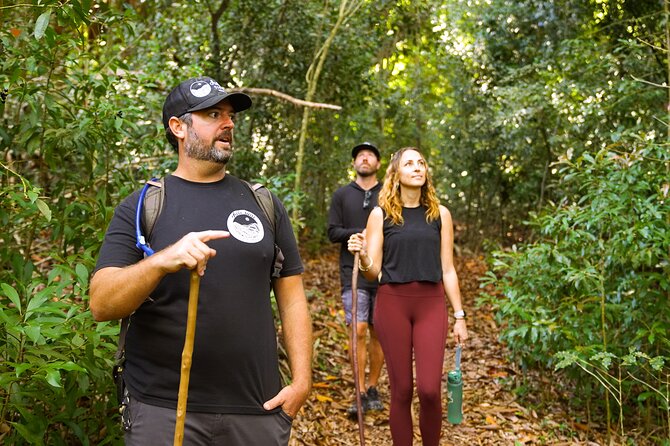
- A guide who works the trail for you: you get pointers for what to notice and where to look
- Native forest under canopy shade: the hike stays cooler and more comfortable than you might expect
- Mostly moderate, family-friendly pacing: a 12-year-old fit fine, and even non-hikers enjoyed the rhythm
- A small end-of-walk bite: fresh Maui Gold pineapple shows up, and it’s part of the experience
Honolua Ridgeline: A Short Hike With a Big Water Lesson
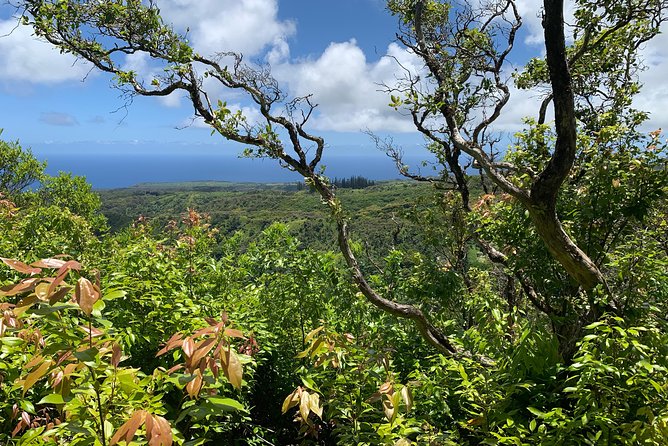
This is the kind of hike that sneaks up on you—in a good way. You cover about 2 miles (3.2 kilometers), but the time goes to learning the island’s ecology, plus stops where you can take in ridgeline views without feeling rushed. The result is that you leave with a mental map of Maui that’s way more interesting than just pretty scenery.
The core story is water. You’ll explore native forest and private conservation lands near the Pu’u Kukui Watershed Preserve, and your guide frames what you’re walking through as part of a working watershed. That’s Hawaii’s quiet superpower: plants, soil, and rainfall interact, and conservation teams help keep that system stable.
Even if you don’t consider yourself a “hiking person,” the pace works. One review described it as not too strenuous, with a steady rhythm and walking sticks provided. That’s a nice combo for people who want nature time without the grind.
You can also read our reviews of more hiking tours in Maui

Meet at 800 Office Rd Lahaina and Set Your Pace
You start at 800 Office Rd, Lahaina, HI 96761, and the tour ends back at the same meeting point. Start time is 9:00 am, and the whole experience runs about 3 hours 15 minutes. That length matters because it signals what you’re buying: a guided interpretive walk, not a quick sprint down a trail.
You’ll be in a small group—up to 12 people. For me, that’s a sweet spot. It’s small enough that your guide can slow down when someone has questions, and it’s large enough that you don’t feel like you’re the only person holding up the line.
The tour uses a mobile ticket, and it’s offered in English. That means you won’t have to worry about language barriers if you’re comfortable speaking up when you want clarification.
A practical tip based on what you’ll experience: this hike goes beneath canopy shade, which is great for comfort, but it can also mean slick footing in spots. Bring shoes that grip well and socks that can handle a little dampness if it’s been raining recently.
Pu’u Kukui Watershed: What the Guide Helps You See
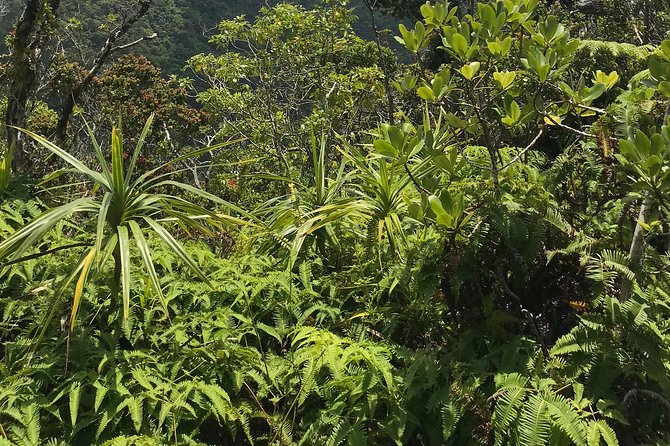
The Honolua Ridgeline portion is the “walk,” but the reason it feels special is what your guide connects to it: the Pu’u Kukui watershed and the role of native plants in keeping water cycling well.
As you move along the ridgeline, you’re not just looking outward—you’re learning how water is held, filtered, and released across the island. Native ecosystems act like a system: roots stabilize slopes, plant cover protects soil, and the overall structure helps rainfall infiltrate rather than just rush away.
Your guide will explain what a conservation team does, and you’ll likely hear about the ongoing work required to maintain native habitats. You may get examples of why invasive species can be a problem, and how caretaking efforts protect the plants and conditions that support the watershed.
What I like about this approach is that it changes the way you look at a trail. After a couple of lookouts, you start noticing “ecology clues” the way you notice bird calls or shell patterns at the beach. You get trained to see without needing to memorize plant names.
Native Forest and Plant Spotting Without the Stress
This hike is framed for people who are interested in Hawaii’s ecology, and it shows in the way guides pace the interpretive moments. Multiple guide names came up in the experience stories—Jason, Yancy, and Kevin—and the common thread was the same: they’re attentive to the plants and the local conservation work happening nearby.
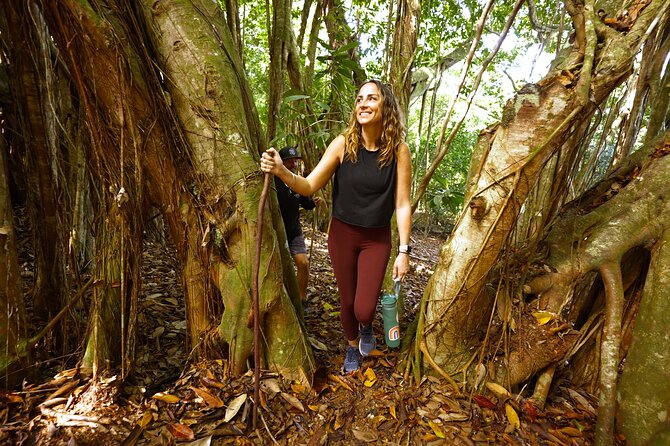
You’ll walk beneath a canopy of shade along a valley ridgeline. That’s a big deal because the lighting and cooling affect what you can actually see. It’s easier to slow down and observe when you aren’t baking in full sun. And since it’s a relatively short hike, you can spend more time looking than “saving energy.”
If you’re worried you’ll spend the whole walk trying to catch every species name, don’t. The real win is the guide’s storytelling structure: what you’re seeing now is connected to how the habitat functions, and how protecting it keeps the watershed healthier.
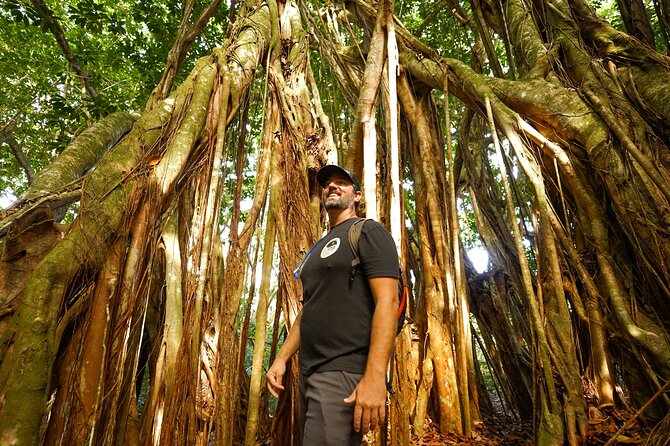
One reviewer mentioned spotting standout trees, including a huge banyan in the forested area. You might not get the exact same highlights on every day, but expect the guide to point out interesting specimens and explain why they matter in this ecosystem.
The Ridgeline Views: Where the Stops Actually Pay Off
The hike runs along the Honolua Ridgeline with views of valleys that you just wouldn’t get from casual sightseeing. Even though it’s only 2 miles, your guide will steer you toward the “worth stopping for” viewpoints.
Here’s the thing about ridgeline walking: the best perspectives often come from pausing at the right angle, not from walking faster. The guide knows how to get the most out of your hike, so you’re not left to figure out what’s a view worth your time.
Expect lookouts where you can see out over valleys and appreciate the mix of forest and terrain. This is one of those hikes where the scenery feels like it’s telling you a story, not just showing off.
For photos: keep in mind that shaded forest can make screens look darker than you expect. A quick phone brightness bump helps. If you’re using a camera, this is the kind of lighting that rewards patience—wait for a moment when the guide has you positioned and then shoot.





Slippery Spots and Smart Footwear

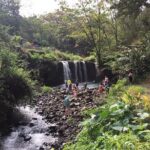
This is a “moderate physical fitness” hike, and it’s described as not too strenuous by several people—so it’s friendly. But it’s not a flat stroll. You’ll be on uneven trail, and at least one review specifically warned about slippery areas.
My advice is simple: wear shoes with solid tread and give yourself permission to slow down at every cautious patch. Walking sticks are thoughtfully provided, which is helpful for balance on uneven ground. If you use poles, adjust them before you need them, not mid-slide.
Also, because it’s a short hike, it’s easy to forget you’re still outdoors. Bring a light layer you can handle in the shade. You’re likely to feel cooler under the canopy than you will in Lahaina’s sun.
The Maui Gold Moment: Snack at the End
One detail that keeps coming up is the end-of-walk pineapple. The experience includes a small bite, with Maui Gold pineapple showing up for some people as an “amazing pineapple at the end.” Another review had a different take, saying the snack advertised as more than just a few pieces.
Here’s how I’d interpret it if you’re deciding whether to care: this isn’t a meal tour. It’s a short, ecology-focused hike that happens after morning routines. The snack feels like a sweet little closing touch rather than a full stop for food.
If you want your body fully fueled for the day, eat a normal breakfast before you go. Think of the pineapple as a bonus, not your plan.
Who Should Book This Hike (and Who Might Not)
This fits well if you’re in Maui for a short window and want an experience that feels more local and more purposeful than another beach viewpoint. It also fits if you like nature education that stays understandable and practical.
It’s also family-friendly in real terms. One group included a 12-year-old, and another included someone who didn’t hike much. That’s a good sign the guide pace and walking sticks support a range of comfort levels.
Who might not love it:
- If you expect a fully flat, easy trail with no uneven footing, the slippery spots could annoy you.
- If you want a long, high-elevation workout, 2 miles won’t scratch that itch.
If your goal is to understand Maui’s ecology—especially the way native habitats connect to the Pu’u Kukui watershed—this hike is exactly the right length and format.
Value: Why This 3 Hours 15 Minutes Feels Worth It
Value isn’t just price; it’s what you walk away with. You’re spending a little more than three hours, but most of that time is on a guided interpretive walk with a guide who helps you notice what matters. A 2-mile hike can turn into a parking-lot stroll, or it can turn into a real education moment. This one leans hard toward the second option.
The small group size is a key part of that. With fewer people, you get more back-and-forth and more chances to ask questions when something catches your attention—like a particular tree, plant growth, or conservation action.
And because the hike is tied to private conservation lands near the Pu’u Kukui Watershed Preserve, it adds meaning. It’s not just public trail content; it’s about how land is stewarded.
Quick Booking Decision: Should You Book Honolua Ridgeline?
Book this hike if:
- You want Maui’s ecology explained in plain language while you walk.
- You like guided stops that connect plants to the watershed and water story.
- You prefer a short trek with supportive pacing and walking sticks.
Skip (or choose carefully) if:
- You need a totally easy, shoe-proof trail with no slippery areas.
- You’re only chasing strenuous exercise or a long-distance outing.
If you’re the type who enjoys looking closely—listening, spotting details, asking why things grow the way they do—HeleWai Eco Tours’ Honolua Ridgeline hike is a strong use of a morning in Maui.
FAQ
FAQ
Where do I meet for the Honolua Ridgeline hike?
You meet at 800 Office Rd, Lahaina, HI 96761, USA. The tour ends back at the same meeting point.
How long is the hike?
The experience runs about 3 hours 15 minutes, and it includes a 2-mile (3.2-kilometer) hike.
What fitness level do I need?
The tour is listed for travelers with moderate physical fitness. The hike is described as not too strenuous by some participants, but there are some slippery spots on the trail.
How big is the group?
The tour has a maximum of 12 travelers.
Is the tour offered in English?
Yes. The experience is offered in English.
What happens if the weather is poor?
This experience requires good weather. If it’s canceled due to poor weather, you’ll be offered a different date or a full refund.