REVIEW · MAUI
Maui: Beginner Discovery Scuba Dive Excursion from Lahaina
Book on GetYourGuide →Operated by Extended Horizons · Bookable on GetYourGuide
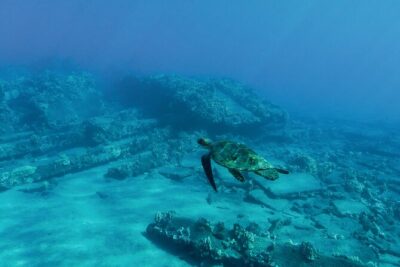
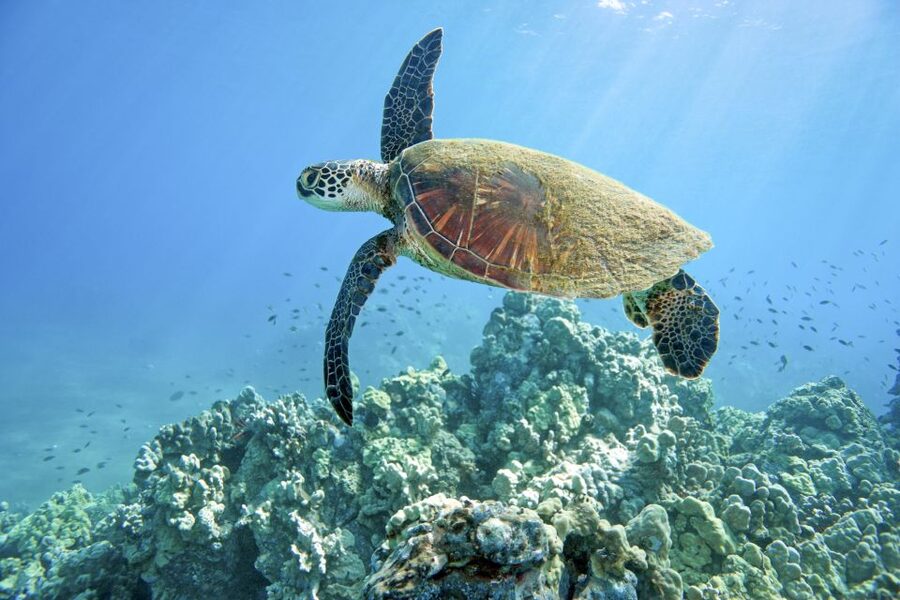
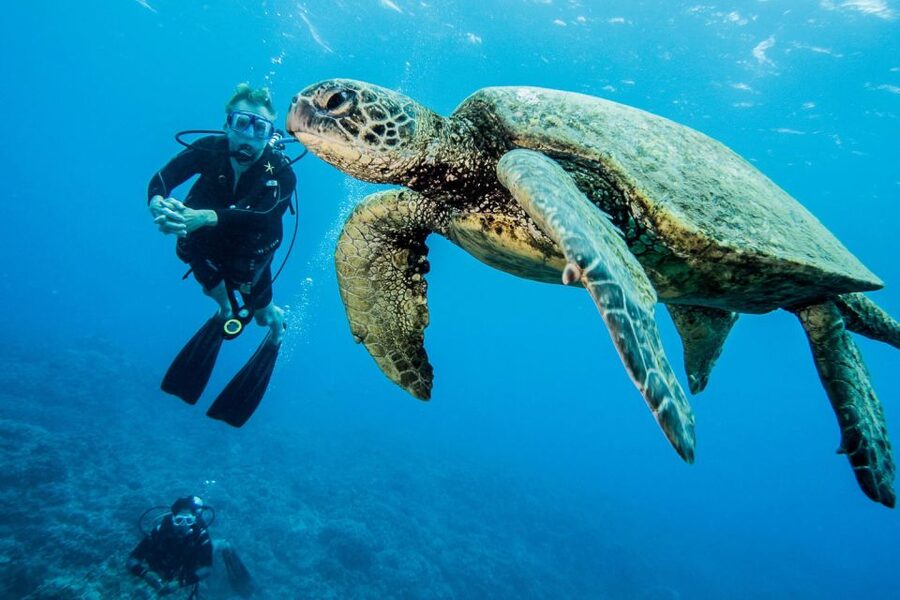
Sea turtles are the payoff for your first lesson. This beginner scuba discovery session off Lahaina pairs shore training with one-on-one coaching in a group of four, so you learn the regulator, buoyancy, and safety steps at human speed. I like the PADI-certified instruction format, then the chance to watch green sea turtles and tropical reef fish in calm, clear water.
One possible drawback: it comes with real-body rules—medical paperwork first, not for pregnant women or people with back/heart issues, and you cannot fly within 24 hours after your underwater session.
In This Review
- Key things to know before you go
- Lahaina’s calm water setup for a first scuba lesson
- Your 3-hour flow: gear up, learn the basics, then swim with sea life
- Step 1: a short classroom-style briefing and fitting
- Step 2: shore practice in the waterline zone
- Step 3: the main underwater portion off Maui’s coast
- Weather reality check
- What you’ll likely see: turtles, reef fish, and coral-world moments
- Why small groups and PADI coaching change everything
- Price and value: is $230 a fair deal for a beginner session?
- Who this works for (and who should skip it)
- Tips to feel relaxed from the first minute
- Should you book this Lahaina beginner scuba session?
- FAQ
- Do I need scuba certification to try this?
- How long is the experience?
- Is it a small group?
- What’s included in the price?
- What marine life might I see?
- Can this experience count toward certification?
- Is flying after this experience allowed?
- Is this suitable for pregnant women?
Key things to know before you go
- Small group size (up to 4) helps you get answers fast and feel guided start to finish
- Shore practice first means you learn breathing through the regulator and buoyancy control before getting in
- PADI-certified coaching focuses on comfort, safety, and confidence for first-timers
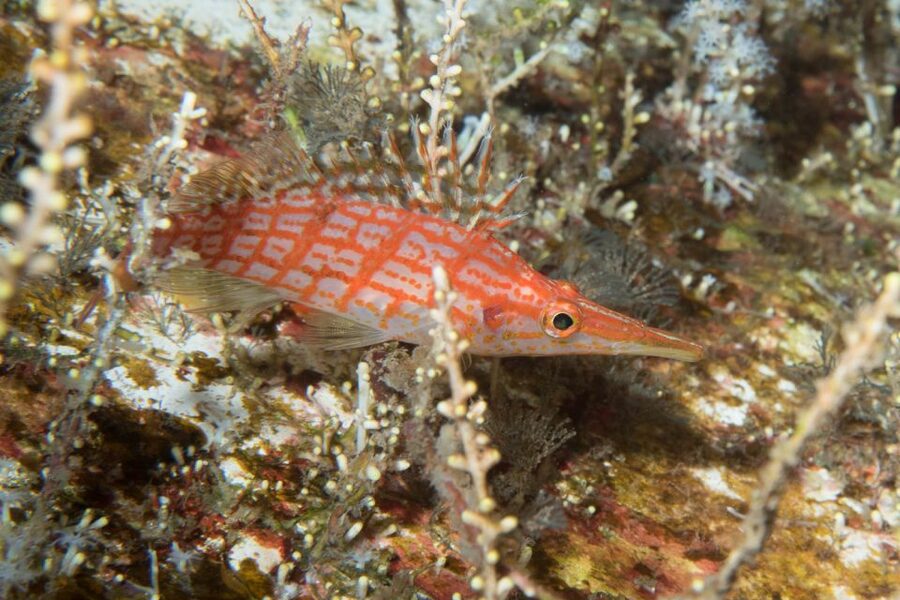
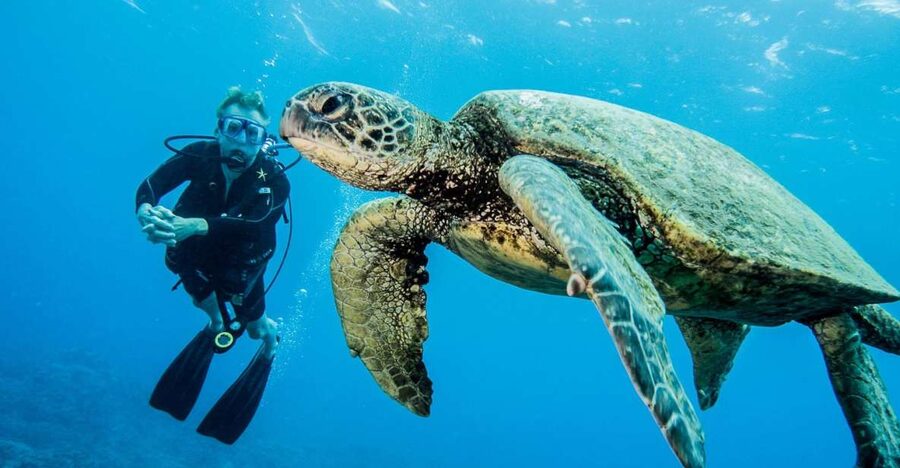
- Green sea turtles are a common highlight, along with reef fish and other marine life
- Gear and water are included so you can show up and focus on the experience
- Rain and visibility can change, but you still get a real chance to spot sea life
Lahaina’s calm water setup for a first scuba lesson
Lahaina is one of Maui’s easiest places to try scuba because the day is built around a comfort-first progression. You start on shore, get fitted with the equipment, then move into shallow, sheltered conditions with your instructor controlling the pace.
What I like most is that the experience is designed for beginners who want to feel capable, not just “try it and hope.” You learn how it feels to breathe underwater, and you get hands-on help while you practice basic movements and buoyancy. If you’re nervous, you’ll likely appreciate that the instruction is organized around safety and reassurance.
You can also read our reviews of more scuba diving tours in Maui
Your 3-hour flow: gear up, learn the basics, then swim with sea life
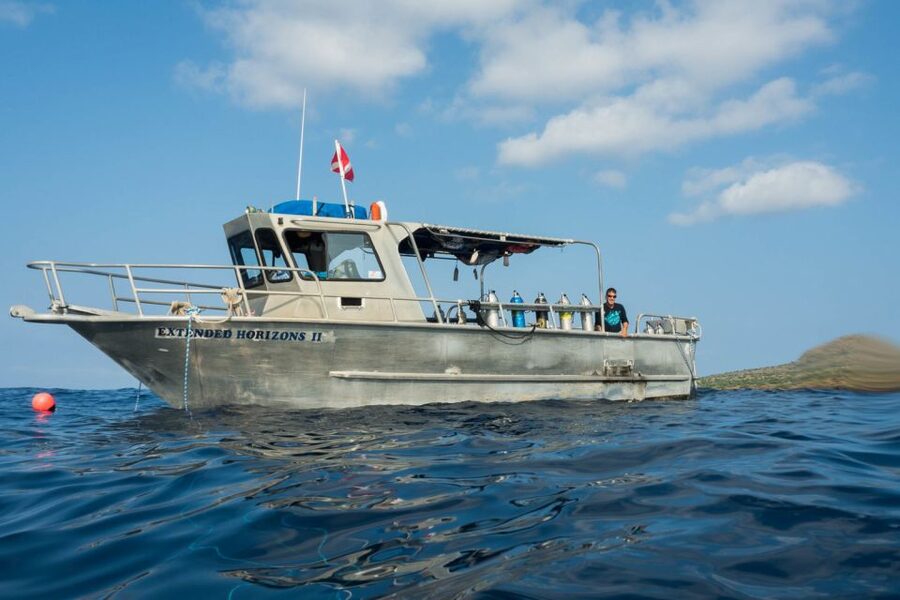
The lesson runs about 3 hours, and the timing depends on your start time. Plan for a focused morning or afternoon where you’ll go from classroom talk to short practice drills to the ocean segment.
Step 1: a short classroom-style briefing and fitting
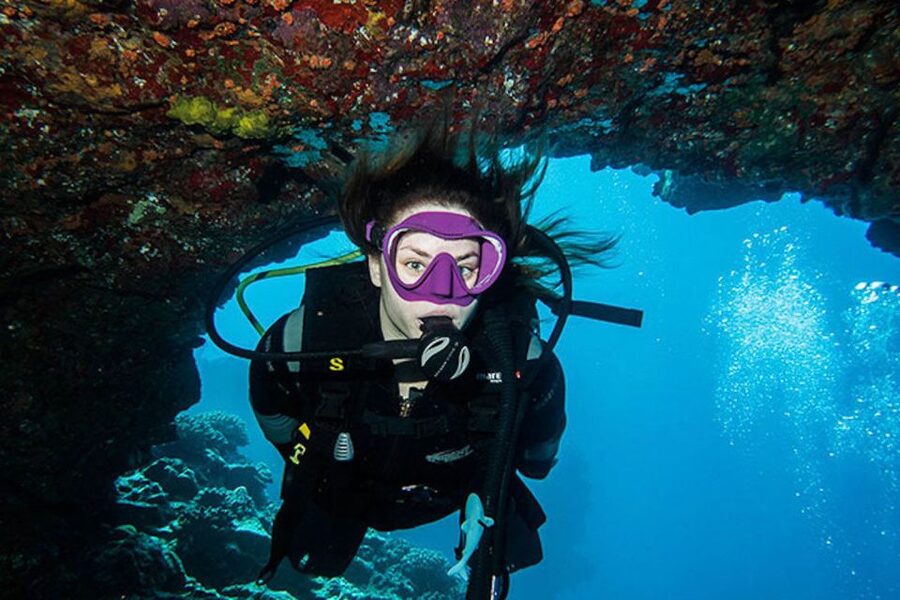
You’ll meet your English-speaking PADI instructor at the meeting point (details are provided the day before). From there, you’ll suit up and go through the basics of how scuba equipment works—what the regulator does, how your breathing connects to control, and how to stay safe underwater.
This is where the best instruction makes a difference. In multiple accounts, instructors like Rick, Emma, Gu, Mia, and Dave are described as calm, organized, and patient—exactly what you want when your brain is busy adjusting to the new sensation of breathing underwater.
Step 2: shore practice in the waterline zone
Before you go further, you’ll practice in shallow water. You’ll work on simple skills like staying balanced, learning how to control your depth, and moving in a way that feels natural.
A key point here: you’re not thrown into the deep end. The whole purpose of the discovery format is that you can build comfort before you start exploring. Even if swimming isn’t your strong suit, you should still be ready for the basic movement patterns. The activity isn’t suitable for non-swimmers, but some first-timers have reported getting real hand-holding and encouragement from instructors when anxiety hit.
Step 3: the main underwater portion off Maui’s coast
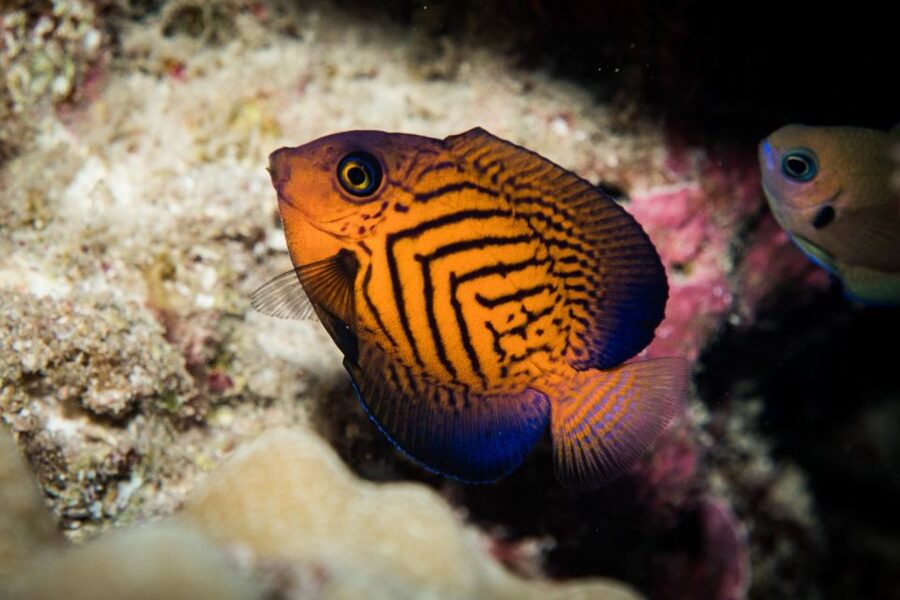
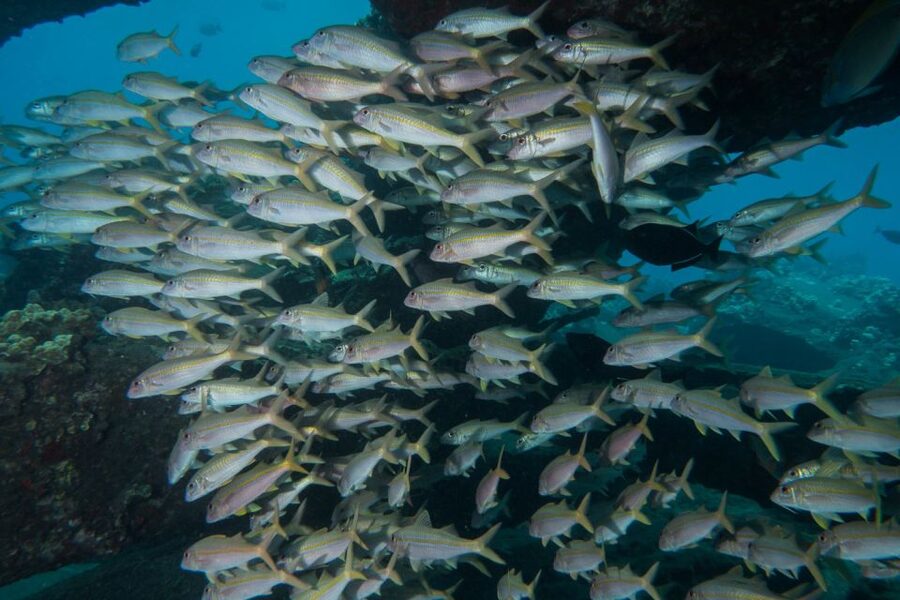
Once you’re set, you’ll enter the calm, clear water and start observing marine life. This is the part people talk about most: tropical reef fish, turtles, and other sea creatures you typically never see from the surface.
You’ll also notice that you’re not doing a checklist by yourself. You’ll be supported one-on-one in a small group of up to four, which makes it easier to correct small problems early—like over-kicking or sinking too fast—before they become uncomfortable.






Weather reality check
If conditions shift, your experience can change. One example from a first-timer’s account noted that rain impacted underwater visibility due to runoff, but the group still spotted a turtle and lots of fish. So if you’re hoping for perfect clarity every second, keep expectations flexible. Even in less-than-ideal water, the goal is to help you learn and see something.
What you’ll likely see: turtles, reef fish, and coral-world moments
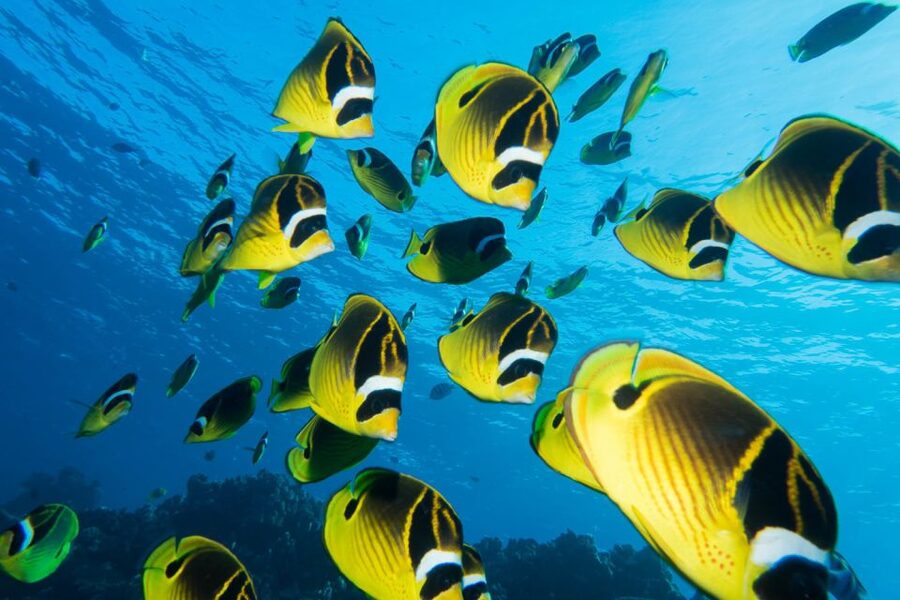
The highlight that anchors this outing is marine life—especially green sea turtles. Expect to see them along with other tropical reef fish and sea creatures while you’re guided through the swim area.
A good way to think about the sighting: this isn’t “guaranteed fireworks,” but the trip is structured for beginners in areas where wildlife is commonly encountered. When the underwater conditions cooperate, the contrast between surface and underwater life is the real wow factor.
And yes, even if you’re anxious at first, that’s often when the turtles show up. One account describes an experience that felt almost surreal because it was very personal (just the diver and guide) and quickly turned from nerves into calm curiosity.
Why small groups and PADI coaching change everything
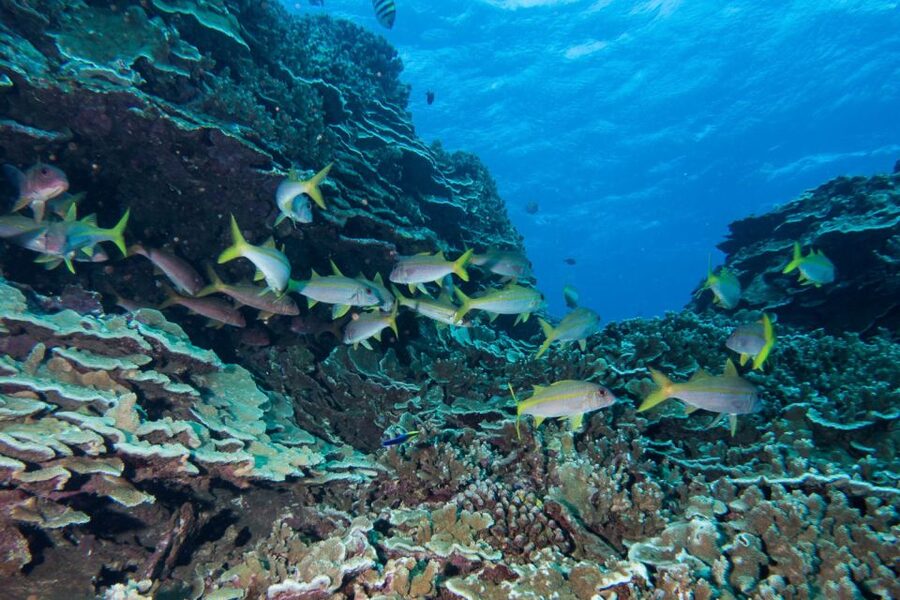
This is where the value lives. With a group size limited to 4 participants, you get more than “watch the instructor.” You get feedback. You get corrections. You get reassurance when you need it.
That’s not a minor detail—it’s the difference between feeling safe and feeling rushed. In multiple accounts, instructors are described as tailoring the experience to ability levels and calming anxiety fast. That kind of tuning matters because first-time scuba is mostly about comfort: breathing, buoyancy, and not panicking when your body realizes you’re weightless underwater.
You’ll also like that the instruction includes the essentials you can carry into future scuba learning. This discovery session doesn’t hand you a full certification on its own, but it gives you a strong baseline—enough that people commonly feel ready to continue toward formal training afterward.
Price and value: is $230 a fair deal for a beginner session?
At $230 per person for about 3 hours, you’re paying for three things at once:
- A certified instructor’s time, with one-on-one attention in a small group
- All required equipment included
- A structured beginner progression—shore skills first, underwater observing second
For many travelers, the “equipment included” part is a big deal. Getting scuba gear, scheduling a good instructor-to-student ratio, and handling safety briefing costs add up quickly if you try to piece it together on your own.
Is it a bargain? It’s priced like a premium instructional activity, not a generic tour. But if you’re someone who’s excited to learn the real basics and see real marine life—not just float in the water—then the coaching component makes the price feel justified.
Who this works for (and who should skip it)
This experience is ideal if you want a first scuba session and you’re comfortable following instructions closely. It requires physical fitness and good health, plus you’ll fill out a medical waiver before arrival.
It’s not suitable for:
- Pregnant women
- People with back problems
- People with heart problems
- Wheelchair users
- Non-swimmers
Also note the travel planning rule: no flying within 24 hours after your underwater session. If your itinerary includes an inter-island flight the same day, you’ll need to adjust timing.
If you’re generally healthy and open to learning buoyancy and breathing control, this can be a confidence builder. Many accounts specifically mention feeling calm quickly after meeting the instructor, and feeling more sure about scuba afterward.
Tips to feel relaxed from the first minute
Here’s how to set yourself up for a smoother experience, based on how the session is run and what first-timers emphasize:
- Arrive ready to move and listen. This is an active lesson, not a sit-and-watch activity.
- If you’re anxious, tell your instructor early. Multiple accounts describe instructors using extra patience and reassurance (including holding hands for comfort during the first moments).
- If rain is in the forecast, don’t cancel expectations for sea life. Visibility can change, but turtles and fish can still show up.
- Bring a calm mindset about learning. Your goal is to master basic control, not to “perform” underwater.
One practical note: you’ll receive the meeting details close to the start (the guide name and meeting point are shared the day before), so watch for that message and plan to be on time.
Should you book this Lahaina beginner scuba session?
I’d book it if you want a true first-time scuba experience with small-group coaching, included equipment, and a realistic shot at seeing green sea turtles. The biggest reason to choose this over a more casual option is the instruction style: it’s built to help you breathe through the regulator, manage buoyancy, and feel safe while you explore.
I’d skip it if your health history makes the medical waiver a concern, if you’re in the not-suitable categories listed, or if your trip schedule requires flying within 24 hours. Also, if you’re not willing to follow safety steps and practice basics in shallow water first, this format won’t feel right.
FAQ
Do I need scuba certification to try this?
No. This is a beginner discovery session with no certification required. It also can count toward formal scuba certification.
How long is the experience?
Plan on about 3 hours total. Starting times vary, so check availability when you book.
Is it a small group?
Yes. The group is limited to 4 participants, and you get close attention from a certified instructor.
What’s included in the price?
The cost includes your 3-hour introductory lesson, use of required scuba equipment, water, and one-on-one attention from the instructor.
What marine life might I see?
You’ll have a chance to see green sea turtles and other tropical reef marine life during the ocean portion.
Can this experience count toward certification?
Yes. While it does not include scuba certification by itself, it can count toward certification.
Is flying after this experience allowed?
No. Flying within 24 hours after your underwater session isn’t permitted.
Is this suitable for pregnant women?
No. It isn’t suitable for pregnant women, and it also isn’t suitable for certain conditions like back or heart problems.