REVIEW · MAUI
Maui: Small Group Shark & Turtle Scuba Dive from Shore
Book on GetYourGuide →Operated by Dive Maui/Hawaiian Rafting Adventures · Bookable on GetYourGuide
Sharks and turtles, straight from Lahaina’s pier. This shore-based scuba session centers on Mala Wharf, a reef that became famous after Hurricane Iniki, and it’s built for real animal sightings, not just a lesson in the pool. I like the small group setup a lot, and I also like that you’ll be guided by a PADI pro named Joe, who clearly knows how to spot and manage conditions. One possible drawback: this is certified-diver only, with a requirement that you’ve dived recently and that you can carry your own gear in and out.
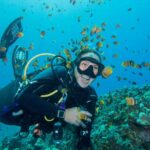
You’ll meet at 1223 Front St, do a safety briefing, then take a short walk to the pier where the fish activity starts fast. From there, you’ll get up to about an hour underwater (air permitting), with chances to see turtles, white-tip reef sharks, and a whole cast of reef critters like octopuses, eels, nudibranchs, and frogfish.
In This Review
- Key Things I’d Mark on Your Maui Map
- Mala Wharf From Shore: Why This Site Works So Well
- Meeting at 1223 Front St: The Flow of Your 150 Minutes
- The Short Walk to Turtle Town Pier: Small-Group Energy
- What You’ll Actually See Underwater: Turtles, White-Tip Sharks, and Frogfish Chances
- Timing, Tank Size, and Underwater Comfort (Why 1 Hour Matters)
- Price and Value: Is $128 Fair for Maui?
- Who This Shore Session Fits (and Who Should Skip It)
- Should You Book This Maui Shore Scuba Session?
- FAQ
- Is this experience for certified divers only?
- How long will I be underwater?
- How long does the whole experience take?
- What animals can I realistically look for?
- Is this a small group or private option?
- Where do I meet the guide?
- Is SCUBA equipment included?
- What isn’t included?
- What should I bring besides my certification?
- What if the weather is poor?
Key Things I’d Mark on Your Maui Map
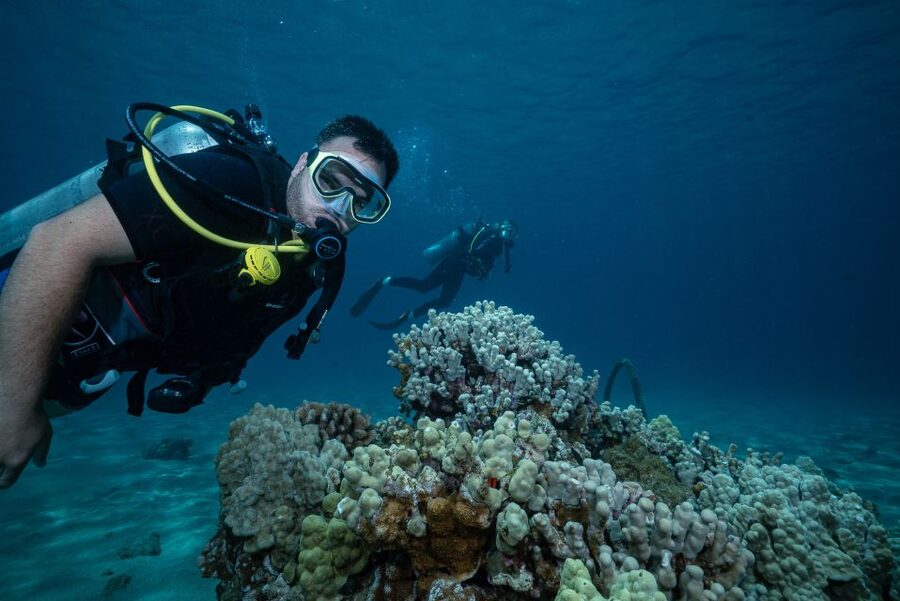
- Mala Wharf’s post–Hurricane Iniki story: the reef has been rebuilding since 1992 and is now a top shore site
- Turtles plus white-tip reef sharks: both are realistic targets during the same underwater window
- Small group of up to 4: less crowd pressure, more time with your guide
- A short walk from the scuba shop to the water: you avoid the long boat routine
- Critter spotting is part of the fun: octopus, eels, nudibranchs, and frogfish are on the radar
- Standard 80 tanks usually mean close to an hour down: good for planning your timing
Mala Wharf From Shore: Why This Site Works So Well
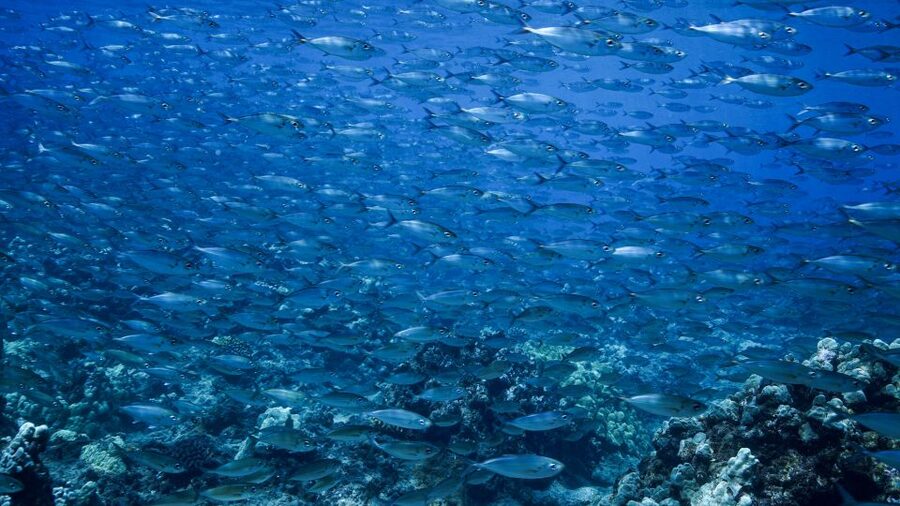
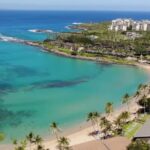
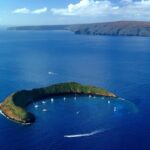
Mala Wharf is the kind of place divers talk about because it’s productive from the start. It’s not a far, complicated mission. You’re based right in Lahaina’s front-area waters, and the pier and reef structure tends to funnel fish activity into a manageable area for a shore-based program.
The reef also has a real character. After Hurricane Iniki destroyed it in 1992, the area changed, and that regrowth helped turn it into one of Maui’s best known underwater spots. For you, that matters because it often means you’re not just dropping onto rocks and sand. You’re swimming around a structure that attracts marine life and creates more “find the animals” moments.
What really sells me on this setup is the mix of targets. You’re not only chasing one species. The plan includes turtles and white-tip reef sharks, and you’ll also be looking for smaller, weirder reef dwellers like frogfish. That’s the sweet spot for many divers: big-ticket animals when you’re lucky, plus the detailed stuff you can keep scanning for the whole hour.
And since it’s shore-based, you also dodge a lot of the fatigue that comes with boat logistics. You’ll still need to be comfortable with gear handling, but you won’t spend your morning thinking about choppy water or getting everyone loaded up.
You can also read our reviews of more scuba diving tours in Maui
Meeting at 1223 Front St: The Flow of Your 150 Minutes
Your day starts at 1223 Front St with the scuba shop in the heart of Lahaina. This is a practical meeting point if you’re staying nearby, and it’s close to Baby Beach and Mala Pier. Parking is also straightforward: you’ll have a spot in the shop’s front lot, plus free overflow parking across the street. The one note to take seriously: don’t park in front of Snorkel Bob’s.
Once you’re checked in, expect a 20-minute safety briefing. This isn’t wasted time. It sets the tone for buoyancy control, underwater communication, and the kind of movement that helps you avoid kicking up sand or accidentally bumping the reef. You’ll then take about a 5-minute walk to the pier, which keeps the whole schedule feeling efficient.
Then comes the underwater portion: up to about 1 hour, air permitting. That matters because hour-long windows are the sweet spot for seeing more than one pocket of marine life without rushing your breathing, your buoyancy, or your headspace.
After the underwater time, you’ll walk back to the shop and your experience wraps up. Net effect: in just 150 minutes, you get a complete, guided experience that fits into a Maui day without gobbling up an entire itinerary.
The Short Walk to Turtle Town Pier: Small-Group Energy
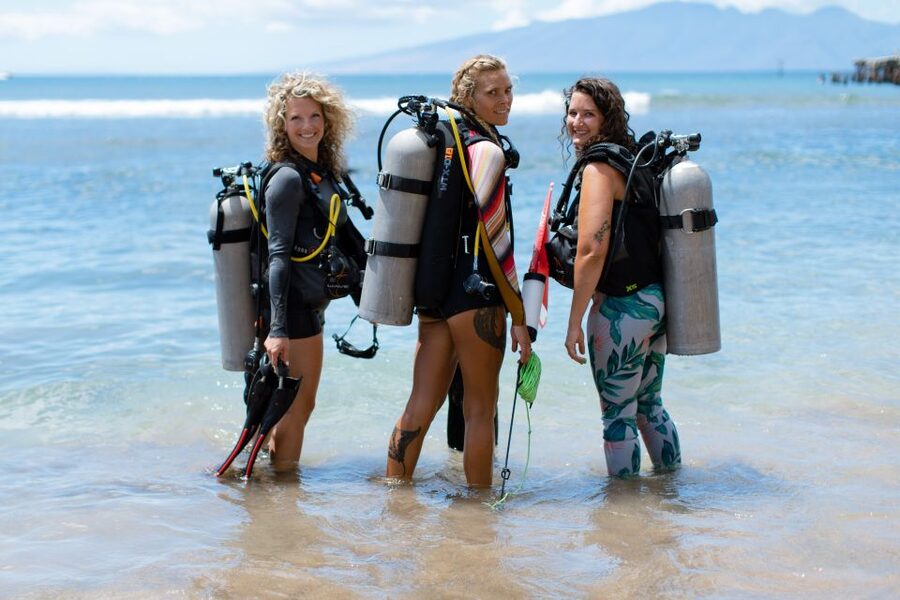
This is built to feel calm and controlled. The group is capped at 4 participants, which means you’re not getting herded. Instead, you can actually pay attention to what the guide points out and follow along without feeling like you’re fighting for space.
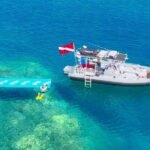
You’ll do a quick walk from the shop to the pier, which is a big deal for two reasons. First, it keeps stress low. You’re not standing around waiting for equipment or a boat. Second, the pier area is already active with fish. That means the “eyes on water” moment starts almost immediately, and you’re primed to notice details before you even get fully set underwater.
During the hunt along that stretch, the plan includes potential sightings of octopuses, eels, nudibranchs, and the elusive—but popular—frogfish. Frogfish especially can be hit-or-miss in any location, because they’re masters of camouflage. But having a structured guide and a smaller group increases your chances of spotting them when the conditions line up.
One more detail: this is run by a PADI-certified guide, and the experience language is English. If you want clear instruction, consistent hand signals, and a guide who keeps things moving at a good pace, this setup is built for that.
What You’ll Actually See Underwater: Turtles, White-Tip Sharks, and Frogfish Chances
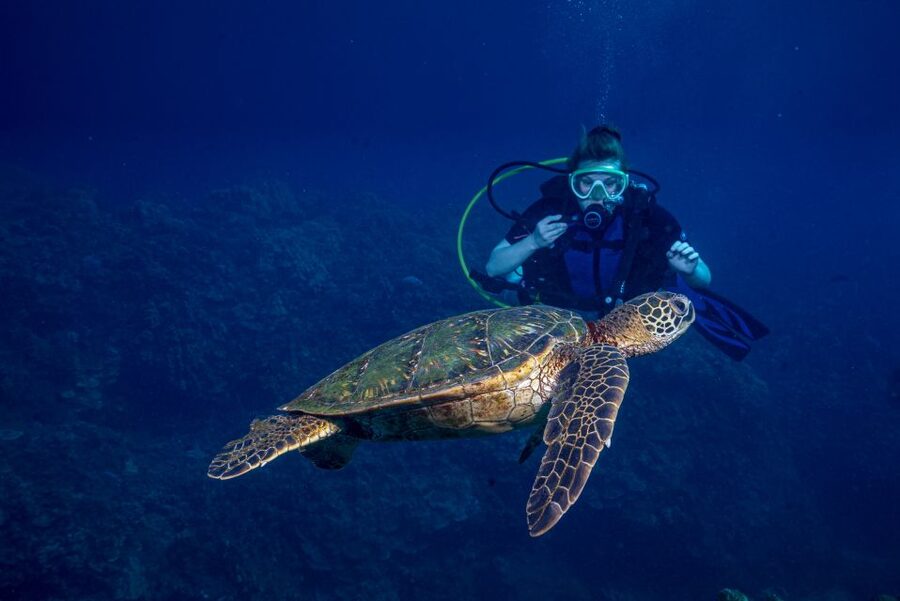
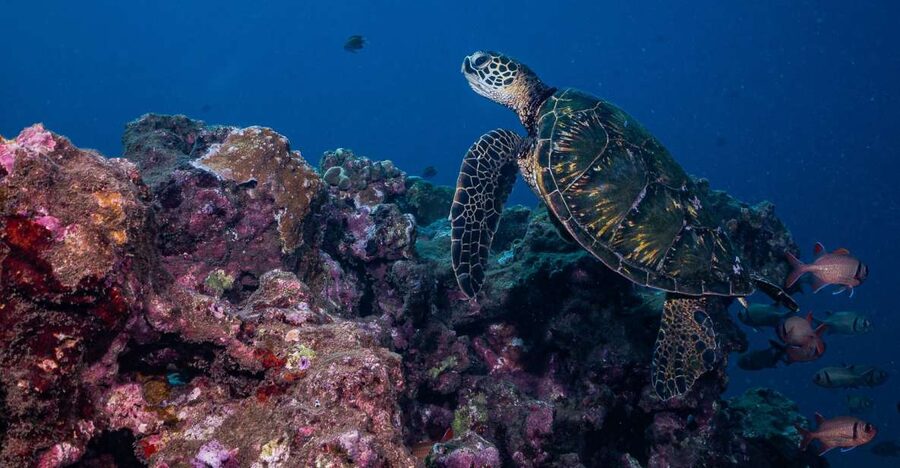
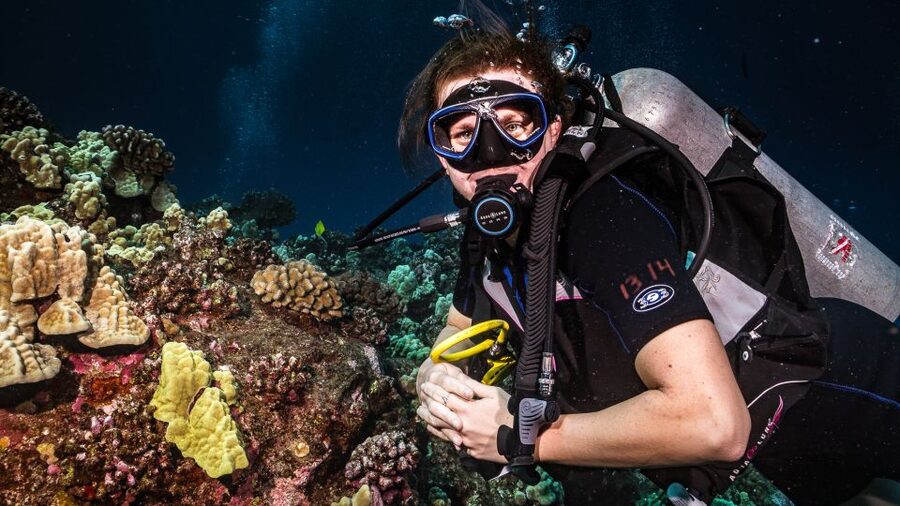
The headline targets are turtles and white-tip reef sharks, and those are realistic draws here. You’re swimming at a site known for Hawaiian marine life, so you’re not just chasing a brochure photo. When it clicks, you can see turtles and then shift your attention to shark behavior and reef structure without changing locations.
The turtles tend to be part of the area’s everyday rhythm. For you, that means you can focus on enjoying the moment rather than treating every minute like a do-or-die search.
White-tip reef sharks are also on the radar. The best mindset is to stay steady and let the animals come to you. That kind of calm behavior helps you both: less disturbance, more natural interaction.
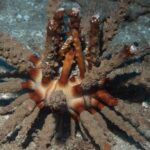
Then you move into the “small stuff” phase. This is where the experience becomes memorable in a different way. Octopuses can show up in crevices. Eels often have that “head out, body hidden” routine. Nudibranchs are the little color bursts that reward slow scanning rather than rushing.
Frogfish deserve a special mention. They’re popular because they’re so good at disappearing into the reef. Even if you don’t catch one, the time spent checking the reef carefully is usually the kind of underwater behavior people remember afterward. And if you’re into photography, the guide’s help can make a difference. One person specifically noted that Joe was able to get them some amazing photos to take home, which tells me he doesn’t just point—he helps you try for a shot.
Timing, Tank Size, and Underwater Comfort (Why 1 Hour Matters)
This is a shore program for certified divers only, and it has a specific practical rhythm. You’ll get up to an hour underwater, and that’s largely determined by air and conditions. Unless you request otherwise, these are conducted on standard 80 tanks, so you can plan on close to that hour for many divers.
That timing is valuable. It’s long enough to feel like you had an experience, but short enough that you can stay relaxed and keep your attention on buoyancy and reef scanning. If you’re the type who gets tired after long sessions, this length is often a better fit.
Also, be ready to manage your own gear. You’ll need to carry your scuba equipment in and out of the water. That’s a real factor, especially if you’re traveling solo or you have any physical limitations. The experience is not suitable for wheelchair users, and people with back or heart problems are also not recommended for this kind of activity.
On the condition side, weather matters. The program runs when conditions are good. If poor weather cancels it, you’ll be offered another date or a full refund. Visibility can vary too. One person noted great visibility, while another said conditions weren’t the greatest but still managed to see turtles and a squid. Translation: even if it’s not perfect out there, the site and guide effort still put odds in your favor.



Price and Value: Is $128 Fair for Maui?
At $128 per person for 150 minutes, the value is mostly about what’s included and how efficiently the time is used. You’re paying for a PADI-certified guide, equipment, and up to about an hour underwater at a well-known shore site.
You’re not paying for hotel pickup, and you’re not paying for food or drinks. That’s normal for shore-based programs, but it means you should plan to eat beforehand or bring a simple snack. The real cost-control move is to build your day so you don’t end up hungry while you’re waiting for briefing and setup.
Compare the included equipment and the guide’s work to the cost of doing this on your own. If you don’t already have a setup, you’d need gear rental, a plan for a shore entry, and a lot of self-navigation. Here, the guide helps you make the underwater time count. With a group size limited to 4, you’re also not splitting attention across a crowd.
Is the price “cheap”? No. But for a Maui shore-based experience that targets turtles, sharks, and reef critters with professional oversight, it looks like a fair deal—especially when you’re already a certified diver who can handle gear and entry.
Who This Shore Session Fits (and Who Should Skip It)
This is for certified divers only. You’ll need to bring your certification card, and you must have dived within the last two years. If you’re returning after a long break, you should plan a refresher elsewhere first.
You’ll also want to be comfortable with physical tasks. You must be able to carry your own scuba gear in and out of the water, and you should have decent fitness. The minimum age is 10. Non-swimmers aren’t suitable, and people with back or heart problems, pre-existing medical conditions, pregnancy, and wheelchair users are not suitable.
If you tick the boxes, the small-group format can be a big win. It’s a great option when you want a guided underwater experience without boat hassle, and when you’re most excited by seeing marine life up close rather than following a long checklist of sites.
If you’re nervous about underwater conditions or you’re short on confidence with buoyancy, talk to the provider ahead of time. The requirements and the structure exist to keep things safe and enjoyable.
Should You Book This Maui Shore Scuba Session?
I’d book it if you’re a certified diver who wants an efficient Maui plan and you care about real wildlife odds. The Mala Wharf location has a strong reputation, the small group size keeps it personal, and Joe’s guidance seems to make a difference for both comfort and photo results.
I’d skip it if any of these apply: you don’t meet the recent-certification requirement, you can’t carry your gear, you’re dealing with medical concerns listed as not suitable, or you’re hoping for something that works like a beginner experience. This is built for people who already know what scuba gear means and what it takes to stay calm underwater.
Finally, consider your timing. It’s a good fit for a day where you want one focused underwater block without committing to a full-day boat program.
FAQ
Is this experience for certified divers only?
Yes. It’s an activity for certified divers, and you’ll need to bring your certification card. You also must have dived in the last 2 years.
How long will I be underwater?
You’ll have up to a 1-hour underwater time at Mala Wharf, air permitting.
How long does the whole experience take?
The total duration is 150 minutes.
What animals can I realistically look for?
The experience highlights turtles, white-tip reef sharks, and Hawaiian endemic fish. You may also spot octopuses, eels, nudibranchs, and frogfish.
Is this a small group or private option?
It’s offered as a small-group experience limited to 4 participants, and the experience also notes that you can have either a private or small-group session.
Where do I meet the guide?
Meet at 1223 Front St. The scuba shop is located in the heart of Lahaina near Baby Beach and Mala Pier.
Is SCUBA equipment included?
Yes. The experience includes use of SCUBA equipment.
What isn’t included?
Hotel pickup and drop-off aren’t included, and food and drinks aren’t included.
What should I bring besides my certification?
You should bring your scuba certification card. You should also be ready to carry your own scuba gear in and out of the water.
What if the weather is poor?
The experience requires good weather. If it’s canceled due to poor weather, you’ll be offered a different date or a full refund.