REVIEW · MAUI
Ultimate 3.5 hour Whale Watch & Snorkel
Book on Viator →Operated by Ultimate Whale Watch & Snorkel · Bookable on Viator
Whales are one thing; whales plus snorkeling is better. This Maui to Lanai 3–4 hour trip pairs a low-stress water ride with two snorkel stops and whale watching during the season, so you get a full morning instead of just a long boat drift.
What I like most is the small-group setup (max 16) and the way the crew steers you toward the best spots of the day, not the most popular ones. I also like that you get snorkel gear and basic instruction onboard, not just a checklist and good luck. A key consideration: the experience requires good weather, and wind or chop can mean less comfortable conditions on the water.
In This Review
- Key reasons this tour scores high
- Why Lanai Makes This Whale Watch Feel More Like a Mission Than a Shuffle
- Lahaina Harbor Check-In and What You’ll Notice Right Away
- Two Snorkel Stops on Lanai Reefs: What the Water Time Actually Gives You
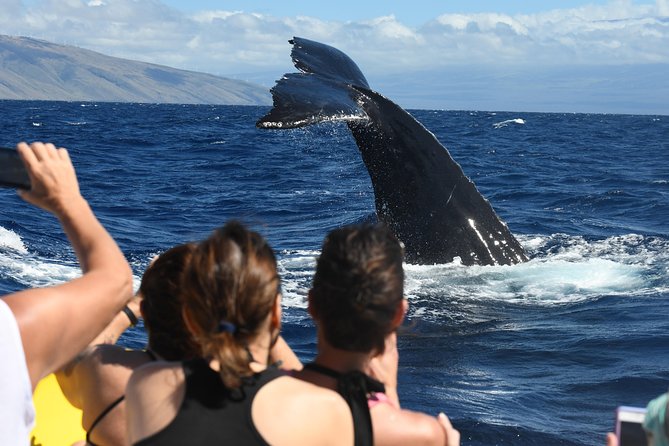
- Whale Watching During Migration Season: How You Get Closer Without Being Reckless
- Crew Energy, Safety, and the Small-Group Edge When It Gets Windy
- Price and Value: What $195 Covers (and Where the Money Goes)
- What to Bring (and What to Leave at Home)
- Who This Tour Fits Best (and Who Should Skip It)
- Should You Book Ultimate 3.5 Hour Whale Watch & Snorkel?
Key reasons this tour scores high
- Lanai-first positioning for consistent dolphin and strong reef snorkeling options
- Max 16 travelers so you’re not fighting for elbow room or view lines
- Two snorkel stops plus whale watching during whale season (schedule depends on what’s happening)
- USCG-approved rescue-style vessel built for stability and reduced rocking
- Onboard whale education that can include hydrophone whale song moments
- Your ticket supports marine research and whale rescue, not just sightseeing
Why Lanai Makes This Whale Watch Feel More Like a Mission Than a Shuffle
A lot of Maui whale tours spend most of the morning traveling to the same handful of areas. This one tries to get you working sooner by focusing on the waters around Lanai, where the operator notes the most consistent dolphin encounters tend to be. That matters because dolphins often show up first, and when you get early activity, the whole day feels more alive.
The Lanai angle also helps with variety. You’re not only looking outward for whales. You’re also looking down for reef life. The plan leans toward Lanai reefs for snorkeling, where you might spot tropical fish, turtles, octopus, and even manta rays. Nothing here is guaranteed, but your odds are helped by aiming at habitat rather than hoping the ocean cooperates.
You can also read our reviews of more whale watching tours in Maui

Lahaina Harbor Check-In and What You’ll Notice Right Away
You start at 1229 Front St, Lahaina, with a 9:00 am departure, and the tour returns to the meeting point. The morning timing is a sweet spot: the water is often calmer earlier, and you’re not burning your whole day on one activity.
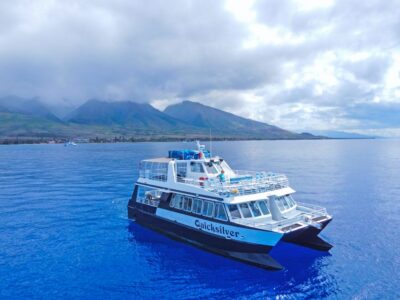
Once you’re onboard, the boat setup is something you’ll feel quickly. It’s described as a rescue-style USCG approved vessel, and that generally means a more stable ride with reduced rocking motion. One review specifically noted that the boat does not sit high off the water, which is a big deal for viewing. When you’re low, whales feel closer. You also have a better chance of spotting the moment before a blow—when spouts and tails show up.
The crew also sets expectations early. You’re not just told to look left and right. You get practical guidance on snorkeling and what to listen/watch for during whale season.
Two Snorkel Stops on Lanai Reefs: What the Water Time Actually Gives You
This tour includes two snorkel stops, plus whale watching built in during the season. In real life, that means your day is split into clear blocks: gearing up, getting instruction, then hitting the water where life is most likely to be active.
Snorkeling gear and flotation devices are provided, along with snorkel instruction. If you’re new to snorkeling, this is one of those underrated benefits. People underestimate how much easier calm instruction makes it to stay relaxed, breathe evenly, and not panic when visibility drops.
What you’re aiming to see:
- Tropical fish and reef activity that stays interesting even if you don’t spot a turtle immediately
- Sea turtles (often a highlight when you get the right conditions)
- Possible octopus sightings
- The chance for manta rays, which can be a wow-moment if they’re near the reef
One practical tip: bring your phone or GoPro setup so you can capture quick bursts of action. Whale sightings can change fast, and snorkel life can also appear in short windows. A camera plan saves you from fumbling with gear when something pops into view.
Whale Watching During Migration Season: How You Get Closer Without Being Reckless
Whale watching here is tied to migration/whale season, and the tour is designed to pair whales with what’s happening in the water that day. You may also see wild dolphins, and the operator specifically notes that off-Lanai waters are often strong for dolphin encounters.
What I’d watch for once you’re out there:
- The first sign of activity is frequently dolphins or surfacing behavior before whales commit to the surface.
- Then it becomes a pattern game: spouts, tail flukes, and the sequence whales use to surface, dive, and move.
Multiple sightings described include humpback behavior like:
- Baby whales with mothers
- Pairs and small groups of whales with males following
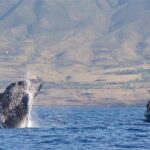
- Full breaches (less common, but this tour has had them happen)
- Sounds: one account described the crew using a hydrophone so whale song could be heard through the boat
The key is respectful distance and good spotting. One review mentioned the crew following the 100-yard rule, which is exactly the kind of boundary that keeps the experience safe for both people and whales. It’s also a reminder that closeness here comes from finding the whales’ path, not from unsafe chasing.
Crew Energy, Safety, and the Small-Group Edge When It Gets Windy
Small groups are great when everything is calm. They’re even better when conditions get tricky. One review called out tough water and wind, but still credited the captain/owner and biologist for getting everyone out safely and making the best of it.
That’s the real value of a tighter operation: decisions can be made faster. When you’re in a group of up to 16, the crew can shift the plan without the chaos of coordinating a larger crowd.
In terms of staff, you may meet captains and guides such as Jill and Casey, plus marine-focused crew members like Amy, Lilly, Emma, Pat, and Lacy. The common thread is that they’re interactive, answer questions, and treat whale behavior like something you can learn in real time, not just watch from a distance.






Price and Value: What $195 Covers (and Where the Money Goes)
At $195 per person, this is not a bargain. But it’s priced like an experience, not a bus ride.
Here’s what you’re getting for the cost:
- A 3 to 4 hour outing that combines snorkeling and whale watching
- Snorkel gear and flotation devices, plus instruction
- Non-alcoholic beverages and snacks
- A route shaped around Lanai reefs and likely animal activity
- Support for active marine research and whale rescue with every ticket purchased
- A USCG rescue-style vessel intended to reduce rocking
If you’re comparing options, think in terms of total “equipment + guiding + access.” Many whale tours charge similar money but don’t include snorkel gear or meaningful time in the water. Here, you’re paying to do both whale watching and reef snorkeling under one paid umbrella.
Also, bring the right attitude about expectations. The ocean is the boss. But the crew’s job is to put you where the action tends to be.
What to Bring (and What to Leave at Home)
You’ll have snorkel gear provided, and you’ll be given instruction, so you don’t need to pack a full snorkeling kit. Still, a few items make your day smoother:
- A GoPro or waterproof phone case if you want to film quick surfacing moments and reef life
- Your own water-friendly layers for the boat ride
- Sun protection (water + sun on Maui adds up fast)
- If you’re planning to bring food or drinks, note that BYOB is ok from the tour info you have
One small reality check: since this is an ocean boat ride, secure what you bring. The best whale blow is the one you can watch without juggling gear.
Who This Tour Fits Best (and Who Should Skip It)
This is a great match if you want:
- One trip that covers both snorkeling and whale watching
- A smaller group experience with faster movement to activity
- Reef time with the chance of turtles and more unusual sightings like octopus or manta rays
- A tour where the crew shares what you’re seeing while you’re seeing it
It’s not a fit if:
- You’re pregnant. The tour info says pregnant travelers can’t come.
- You’re traveling with a child under 4. No children under 4 years old.
- You’re expecting guaranteed whale sightings. During whale season, the goal is whale watching, but the ocean decides the final count.
Service animals are allowed, and the meeting point is near public transportation, which can help if you’re not driving.
Should You Book Ultimate 3.5 Hour Whale Watch & Snorkel?
Yes, if you want a serious chance at whales paired with real snorkeling time on reefs around Lanai, and you value a crew that works actively to find the best activity of the day. The small-group cap and stable boat design are strong reasons to choose this over larger, slower tours.
If you’re sensitive to wind or chop, read that as a caution sign. This experience requires good weather, and the ocean can get uncomfortable even when everyone does their best. If conditions are rough, go into it prepared, and trust that the captain’s job is to keep you safe while still giving you the best chance at sightings.
If you fall into the “I want whales and I want my day to be worth the money” camp, this one checks the boxes.