REVIEW · MAUI
Self-Guided Audio Driving Tour in Road To Hana
Book on Viator →Operated by GuideAlong (GyPSy Guide) · Bookable on Viator
Road to Hana gets easier with GPS audio. You get an app that uses your phone’s location to trigger directions and stories as you drive, so the road doesn’t feel like one long blur. I like how the narration is timed to what’s in front of you, not just a generic script.
My favorite part is the flexibility. You can start and stop whenever you want along the Hana route, follow suggested pacing when you need it, or skip stops that don’t fit your day. One catch: some of the best places on this drive need reservations or park passes that are not included, so you’ll want to plan those before you go.
In This Review
- Key Points That Matter Before You Drive
- GPS-Synced Storytelling That Actually Helps on Hana
- Price and Value: Paying for One App, Not a Full Day Bus
- Before You Start: Reservations, Passes, and One Big Safety Check
- How to Pace an 8-to-16 Hour Road to Hana Day
- Road to Hana Stops: What to Expect at Each Turn
- Stop 1: Hana Highway (Road to Hana)
- Stop 2: Ke‘anae Arboretum
- Stop 3: Hana Lava Tube
- Stop 4: Ho‘okipa
- Stop 5: Ke‘anae Point
- Stop 6: Twin Falls Maui
- Stop 7: Upper Waikani Falls
- Stop 8: Koki Beach (and the Alau Island view)
- Stop 9: Hamoa Beach
- Stop 10: Wai’anapanapa State Park (Black Sand Beach)
- Stop 11: Pipiwai Trail (Ohe‘o Gulch, Kipahulu) and Waimoku Falls
- What I’d Do Differently If You Want the Best Day
- Who This Self-Guided Audio Tour Is Best For
- Should You Book This Road to Hana Audio Tour?
- FAQ
- How long does the Road to Hana self-guided audio tour take?
- How much does the tour cost?
- Is the audio guided in English?
- Does the tour work without cell service?
- Does the audio play automatically as I drive?
- Do I need reservations for Wai’anapanapa State Park?
- Do I need an NPS pass for Pipiwai Trail?
- Are admission tickets included for the stops?
- Can I skip stops or change my plan mid-day?
- What if I need a refund?
Key Points That Matter Before You Drive
- Location-based autoplay: commentary starts based on your GPS position, even when cell service is poor.
- Audio for both must-dos and extras: you’ll hear what to look for at the big stops and at useful side options.
- Control your own timing: pause the tour, resume later, and build a half day or full day plan.
- Offline-ready: download ahead so the drive doesn’t depend on signal.
- Real-world stop guidance: notes on trail conditions, swimming warnings, and what not to miss.
GPS-Synced Storytelling That Actually Helps on Hana
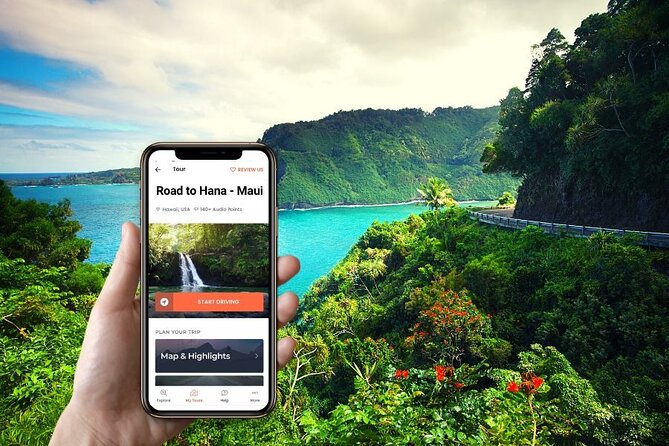
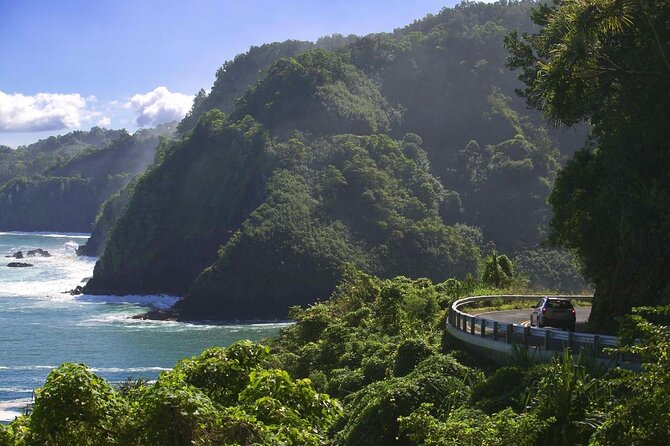
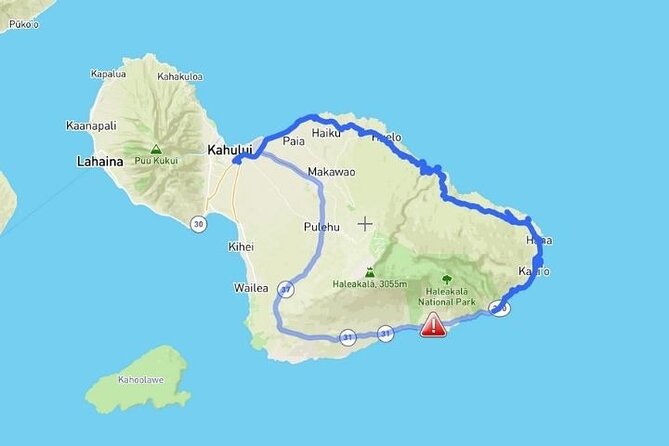
The Road to Hana is famous for two things: wild scenery and a road that keeps asking for your attention. What makes this self-guided audio format work is the way it behaves while you’re driving. Your phone’s GPS triggers the next set of directions and local stories as you get close to key points. Instead of stopping to check maps again and again, you can keep your eyes on the road and use the narration like an extra co-pilot.
That timing also makes the drive more coherent. You’re not just hearing facts. You’re getting context right when the landscape changes—like when the coast opens up, when waterfalls show up after the rainy stretches, or when you reach the famous volcanic coast stops. You’ll also get plenty of practical tips: what’s worth getting out of the car for, which stops are better as quick photo breaks, and what to watch for in wind, currents, and trail surfaces.
A couple of reviews highlighted how well the GPS tracking held up even without service. In practice, that’s a huge deal on Hana, where signal can disappear for long stretches. If your phone stays charged, the whole experience stays smooth.
You can also read our reviews of more guided tours in Maui



Price and Value: Paying for One App, Not a Full Day Bus
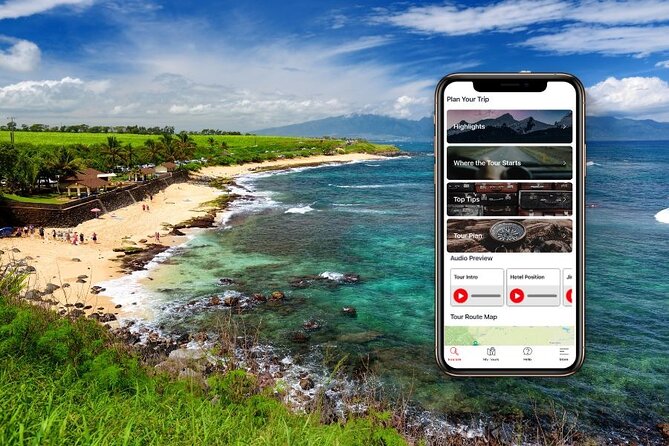
This tour costs $19.99 per group (up to 8), and that one purchase covers everyone in your vehicle. For a road trip day that can easily cost more than once—park fees, food stops, parking, and even expensive guided tours—this pricing feels intentionally designed for budget travelers and families.
The value isn’t just the audio itself (though there are 140 points). The value is that you’re buying time and focus. You’ll spend less mental energy figuring out what to stop for, and more energy on actually enjoying the scenery. One more practical win: the tour is no-expiry and includes free updates, so if you can’t finish your day or you want to come back for a second attempt, you still have the tour saved.
Also remember: your cost is just for the self-guided audio. Many of the iconic stops involve separate fees, reservations, or passes. So your real budget is a combination of $19.99 plus whatever you choose to pay at the park level.
Before You Start: Reservations, Passes, and One Big Safety Check

Plan your must-pay items early. Two big ones show up on this route:
- Wai’anapanapa State Park (the black sand beach): reservations are required for entry.
- Haleakalā National Park area (Pipiwai Trail): you’ll need to show your NPS pass or purchase one on arrival.
This tour price does not include those items. If you show up without reservations, you may end up staring at a locked gate or having to switch plans on the fly. I treat that as the main reason people have a “good drive” instead of a “great day.”
Next, charge your phone. The tour works offline after download, but you still need power and a stable device. Bring a USB car charger and top up before you start. You’ll use your GPS and speaker for hours, and the Road to Hana is long enough to drain a battery if you’re not careful.
Finally, keep an eye on official safety updates. There’s a note about tsunami warnings issued in Hawaii during a recent event, with the instruction to check real-time updates at tsunami.gov. Even if nothing is happening when you visit, it’s smart to know where the official info lives.
How to Pace an 8-to-16 Hour Road to Hana Day
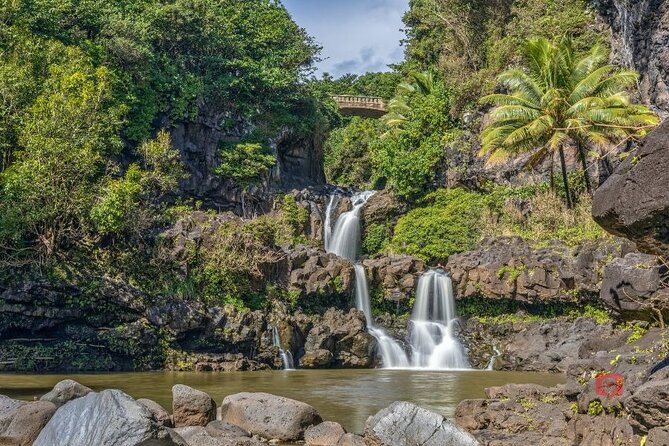
Duration on this tour can swing from about 8 hours to 16 hours, and that range is realistic. Your time depends on what you do at stops that have trails (like the waterfall areas) and how far you go on the 4-mile loop hike at Pipiwai.
My advice is simple: start early. A late start is the fastest way to feel rushed on Hana. One of the most consistent tips from people using this guide is to leave early (around 8 AM at the latest) because it’s a long day and driving in the dark isn’t fun.
Also, treat the day like a sequence of priorities:
- Quick stops for viewpoints and photos
- Short hikes where you can safely return to the car
- One longer hike if you’re going all the way to the main falls
If you arrive at Pipiwai later in the day, you may need to turn back sooner than you want. A helpful timing note is that if you get to the trail by 2 PM, you should still have plenty of time to hike and drive back.
Road to Hana Stops: What to Expect at Each Turn
A few more Maui tours and experiences worth a look





Stop 1: Hana Highway (Road to Hana)
This is where the tour makes sense as a self-guided experience. As you drive Hana Highway, the audio triggers based on where you are, and you’ll get step-by-step guidance to key sights. If you like structure, you can follow suggested half-day, full-day, or multi-day planning tools in the app. If you like freedom, you can build your own itinerary along the route and skip anything you don’t care about.
What I like here is that you don’t need a strong map skill set. The tour is doing the “what’s next” work for you.
Stop 2: Ke‘anae Arboretum
This stop is quick and easy, which is perfect for a long day. You’ll see tropical plants and trees, with photo-worthy items like golden-stemmed bamboo, ginger, papaya, hibiscus, and (at the center of attention) the Rainbow Eucalyptus with brightly colored bark.
After the main plant areas, there’s a trail that follows the Piinaau Stream, and it continues toward terraces created by ancient Hawaiians for taro cultivation. The main drawback is that you’ll likely want more time than you planned. It’s short, but it’s also interesting.
Stop 3: Hana Lava Tube
If you like geology, this is fun. The Hana Lava Tube is described as Maui’s most accessible lava tube, and you can explore without going all the way inside if you feel claustrophobic. That flexibility matters. Many caves are either too scary or too cramped for some people; here you can choose your comfort level.
Bring sturdy shoes. Surfaces can be uneven.
Stop 4: Ho‘okipa
Ho‘okipa is a wind-and-waves kind of stop. It’s not recommended for swimming due to constant winds and currents, but it is a spectacular place to chill and watch world-class windsurfers.
Look along the beach edges for turtles—turtles can even sleep in the water. Give them space and never touch. Practical facilities are available, including washrooms, showers, and picnic areas, which makes it easier to linger without stress.
Stop 5: Ke‘anae Point
Ke‘anae Point is on a flat peninsula created by an outflow of volcanic lava from Haleakala, and it forms a kind of ocean-facing oasis. It’s also linked to taro farming.
There’s a small church made of coral and lava rock, described as more than a century and a half old. You’ll also be able to watch waves slam into spire-like rocky outcrops. This is a great stop if you want quiet and views without committing to a long walk.
Stop 6: Twin Falls Maui
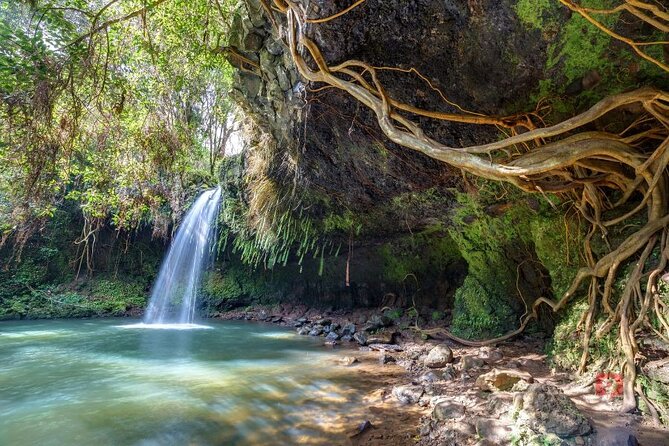
This is often the first waterfall stop where you’ll want to get out of the car. Twin Falls usually means a short hike and a muddy forest vibe. The trail is about 1.5 miles and goes through a bamboo forest.
One key detail: the trail is frequently muddy, so wear appropriate footwear. There are choices about how far you go, so you can adjust based on energy and weather. Also, the farmstand is highlighted as a solid place for a morning fruit smoothie.
Stop 7: Upper Waikani Falls
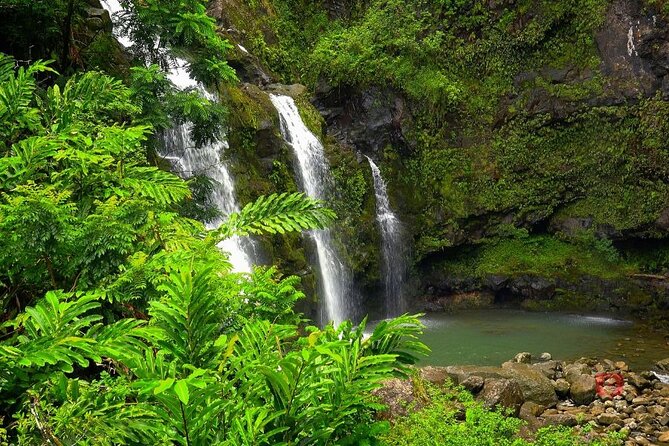
Upper Waikani Falls is sometimes called 3 Bears Falls. The story is that after heavy rain, water flows as one big cascade, but when water levels are lower it splits into three falls—one large, one medium, one small.
So your experience here can change with the day’s rainfall. That’s not a downside; it’s part of why it’s interesting. But if you’re chasing the split-three look, heavy rain conditions tend to be the factor.
Stop 8: Koki Beach (and the Alau Island view)
Koki Beach is near the turnoff to Hamoa Beach, and it includes a view toward Alau Island, described as a quirky-looking out-of-the-water cindercone formation about a quarter mile off shore. It’s mainly a photo and legend stop, but the history adds meaning.
This area is tied to ancient Hawaiian legends about Pele (goddess of volcanoes) and Maui.
Stop 9: Hamoa Beach
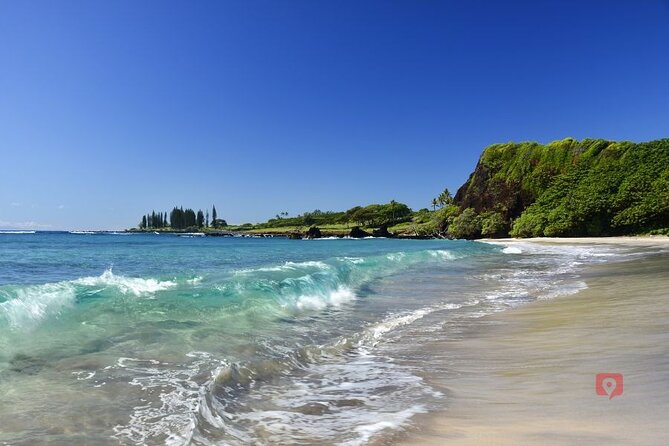
Hamoa is a crescent sandy beach that’s timed well in the driving flow for a stretch-and-rest break. It includes public bathrooms and showers, but there are no lifeguards. That means you should keep an eye on kids closely.
When conditions are calm, it’s described as family-friendly. When conditions aren’t calm, treat it like a rest stop, not a swim stop. Always.
Stop 10: Wai’anapanapa State Park (Black Sand Beach)
This is the headliner. Wai’anapanapa State Park is home to Maui’s most famous black sand beach and includes volcanic-coast features like a sea arch and a blowhole. The audio helps you move through the park along the beach to spot these things.
Two practical realities:
- You’ll need reservations for entry.
- Admission fees are not included with the tour.
This stop is steeped in Hawaiian legend, and the emotional weight of the place is part of why people plan for it. It’s a must-stop if you do Hana right.
Stop 11: Pipiwai Trail (Ohe‘o Gulch, Kipahulu) and Waimoku Falls
This is the hike stop. The Pipiwai Trail is described as one of the best trails on the Road to Hana. It’s inside Haleakalā National Park, so you’ll need an NPS pass.
The full loop is 4 miles with about 650 feet of elevation gain. It’s called moderate, but hot conditions can make it feel harder. Along the way you’ll pass Makihiku Falls, and many people continue toward Waimoku Falls, which is the highlight and the farthest point.
There’s also bamboo forest sections that can feel peaceful and shady. Time-wise, plan for 2+ hours depending on fitness and how long you linger. A useful strategy is to arrive at the trail by 2 PM so you can hike and still make the drive back comfortably. If you find it difficult, there’s a good stopping point idea: turning back can still leave you feeling like you did the best part.
What I’d Do Differently If You Want the Best Day
If your goal is the full “Road to Hana” experience, don’t try to turn every stop into a 45-minute detour. Let the tour help you decide quickly. Some stops are designed as short breaks. Others are designed as your longer breaks.
Two smart habits:
- Use the audio to get your bearings fast, then decide if you need more time at that spot.
- If you’re driving with friends or family, agree on a plan before you start for who does the longer stops and who stays flexible.
Also, drive like locals live in front of you. The Road to Hana includes lots of curves and one-lane bridges. A good reminder is to be patient and pull over when appropriate, especially if you’re slowing traffic. That’s not just politeness; it’s safety.
Who This Self-Guided Audio Tour Is Best For
This tour fits you best if you’re:
- Driving your own car and want GPS-triggered guidance
- Budget-minded (you’re avoiding pricier guided buses)
- A planner who likes flexibility (you’ll use app trip planners or create your own rhythm)
- Traveling without reliable cell service and want offline playback
- Someone who hates the pressure of group schedules and likes to stop when you want
It also works for solo drivers. The audio can make the drive feel accompanied, and it’s especially useful for history and context so you’re not just seeing random viewpoints.
Should You Book This Road to Hana Audio Tour?
Book it if you want a low-cost way to turn a long drive into a meaningful day with fewer wrong turns and fewer missed stops. The GPS-synced narration, offline design, and start/stop flexibility are exactly what you want on Hana.
Skip it or at least adjust expectations if you’re unprepared for reservation and pass requirements. Wai’anapanapa needs reservations, and Pipiwai needs an NPS pass. If you don’t plan those ahead, your day can feel incomplete no matter how good the audio is.
If you’re reading this and thinking you’ll want the best mix of drive, culture, and practical stop guidance, this is a strong choice.
FAQ
How long does the Road to Hana self-guided audio tour take?
The duration is flexible and listed as about 8 to 16 hours, depending on how many stops you make and how long you spend, especially at trail stops.
How much does the tour cost?
It costs $19.99 per group (up to 8).
Is the audio guided in English?
Yes, the tour is offered in English.
Does the tour work without cell service?
Yes. You can download the tour for offline use, and the audio is designed to play without needing cell service once downloaded.
Does the audio play automatically as I drive?
Yes. The commentary autoplays based on your GPS location, using your phone’s GPS chip.
Do I need reservations for Wai’anapanapa State Park?
Yes. Wai’anapanapa State Park entry requires reservations, and reservations are not included in the tour price.
Do I need an NPS pass for Pipiwai Trail?
Yes. Pipiwai Trail is inside Haleakalā National Park, so you’ll need to show your NPS pass or purchase one on arrival.
Are admission tickets included for the stops?
No. Admissions and fees for some stops are not included, including places like Wai’anapanapa State Park and other listed stops.
Can I skip stops or change my plan mid-day?
Yes. The tour is designed so you can start, stop, and resume and create your own itinerary along the route, including skipping stops.
What if I need a refund?
You can cancel for a full refund up to 24 hours in advance of the experience start time. If you cancel within 24 hours, the amount paid is not refunded.