REVIEW · MAUI
Whale Watching Experience
Book on Viator →Operated by The Magic Merman Snorkel Charters · Bookable on Viator
Whales feel close on this boat. From Ka’anapali Beach, you head out for a small-boat ride aimed at finding Northern Pacific humpbacks and getting you close for real behavior—not just distant spotting.
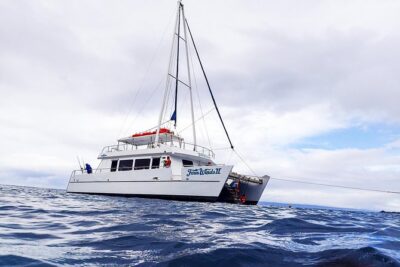
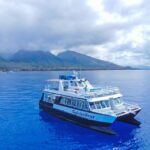
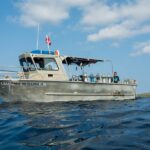
What I like most is the up-close feel. You’re on a raft-style vessel that sits low in the water, with a covered canopy for sun, and a set-up where everyone gets a seat.
One thing to consider: expect the day to be weather-dependent, and you may get wet. This is a true boat-to-ocean experience, so if you’re sensitive to motion or choppy rides, plan ahead and tell the crew early.
In This Review
- Key Things You’ll Notice Before You Go
- Ka’anapali Raft-Style Whale Watching: Why This Format Works
- Getting There at 2435 Kaanapali Pkwy: Fast, Straightforward Setup
- The 2-Hour Plan: Search, Learn, Then Hang With Humpbacks
- 1) Launch + briefing on what you’re looking for
- 2) Time on the water: the captain’s “find them” work
- 3) Whale encounters: the part where you get quiet
- 4) Wrap-up and return
- Up Close With Northern Pacific Humpbacks: What You’re Most Likely to See
- Mother and calf moments
- Male behavior and “competition” energy
- Breaches, surface time, and “staying around”
- Dolphins as a bonus
- Photos, Drinks, and the Little Details That Make It Comfortable
- Weather, Choppy Water, and Motion Sickness: Plan Like a Pro
- Price and Value: Is $102.20 a Good Deal?
- Who Should Book This Whale Watch (And Who Might Want a Backup)
- Should You Book the Magic Merman Whale Watch?
- FAQ
- How long is the whale watching tour?
- Where is the meeting point?
- How many people are on the tour?
- What is included for food and drinks?
- Is tipping included in the price?
- What kinds of whales are you looking for?
- What happens if weather is poor?
Key Things You’ll Notice Before You Go
- Small maximum group size (20 travelers) keeps the boat from feeling crowded.
- Raft-style, low-to-the-water design helps you see whales close enough for meaningful photos.
- Covered canopy cuts down harsh sun while you scan the water.
- Onboard soda/pop and bottled water keep you comfortable during the 2-hour cruise.
- Marine biology storytelling can include whale-call playback through a speaker.
- Crew-first safety vibe shows up in how they position you and manage whale distance.
Ka’anapali Raft-Style Whale Watching: Why This Format Works
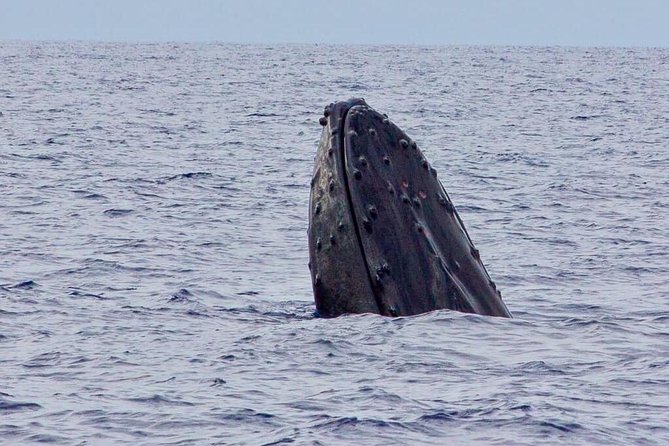
Maui whale watching is common. What’s less common is getting that “we’re in the action” feeling without being packed shoulder-to-shoulder on a big ship. This trip is built around a raft-style boat and a small headcount, so you tend to see more of the ocean at once and notice whale behavior faster.
You’ll leave from the Ka’anapali Beach area (meeting point: 2435 Kaanapali Pkwy, Lahaina). Then it’s straight into the work of locating humpbacks and positioning the boat where you’ll have the best chance for views, not just background scenery.
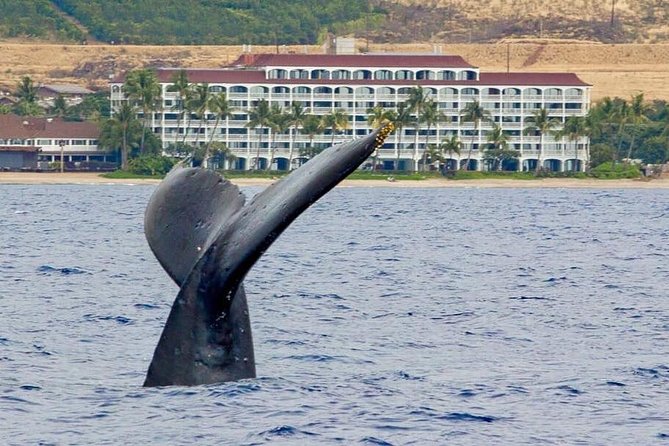
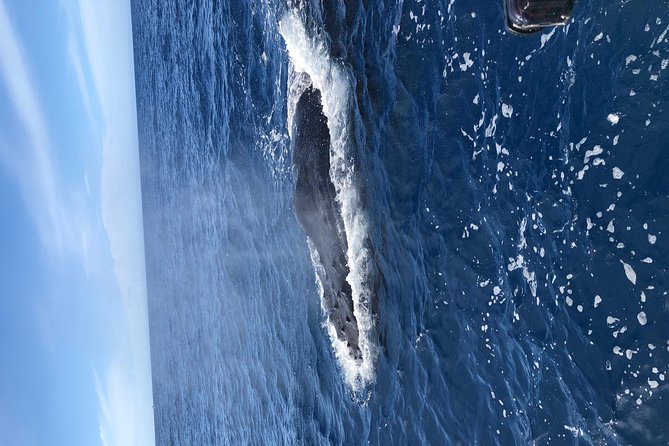
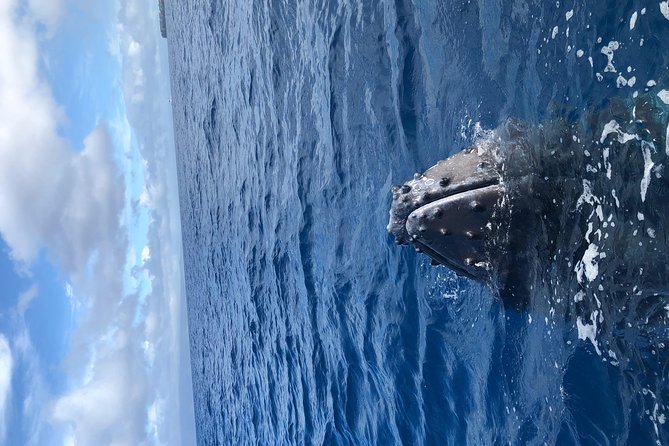
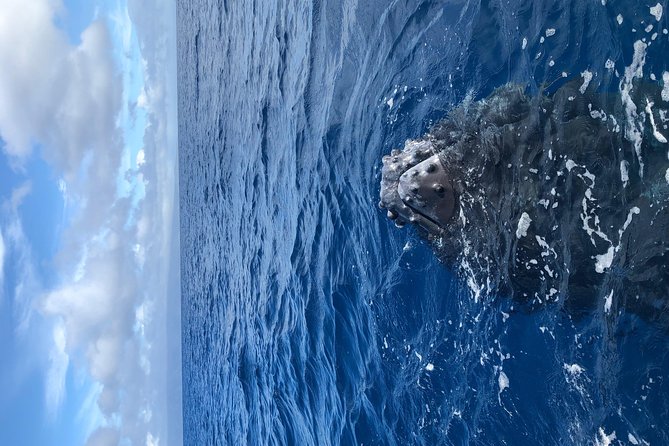
The big win here is simple: when whales come up, turn, breach, or swim right under you, being closer changes everything. You stop watching from afar and start watching from nearby, where details matter—like the shape of the splash, the timing of breaths, and how a mother and calf move together.
You can also read our reviews of more whale watching tours in Maui
Getting There at 2435 Kaanapali Pkwy: Fast, Straightforward Setup
The meetup is easy to find: 2435 Kaanapali Pkwy, Lahaina, HI 96761. It’s near public transportation, and it’s also in the same general area people use for resort beach days, so you’re not losing your whole morning to transfers.
Once you’re at the beach, expect a straightforward check-in and then prep for getting on the water. Some guests note that boarding can involve a smaller dinghy-style transfer or hops between boats/into the ocean depending on conditions. If that kind of step-down-to-the-water feels stressful, bring your patience and keep your shoes on until you’re told it’s time.
A smart move: wear quick-dry footwear. Even if you’re not soaked by the wind, you’re likely to end up with some sand and spray. The boat has an onboard toilet, which is a lifesaver on a tour where you’ll want to stay focused on the water once you’re out there.
The 2-Hour Plan: Search, Learn, Then Hang With Humpbacks
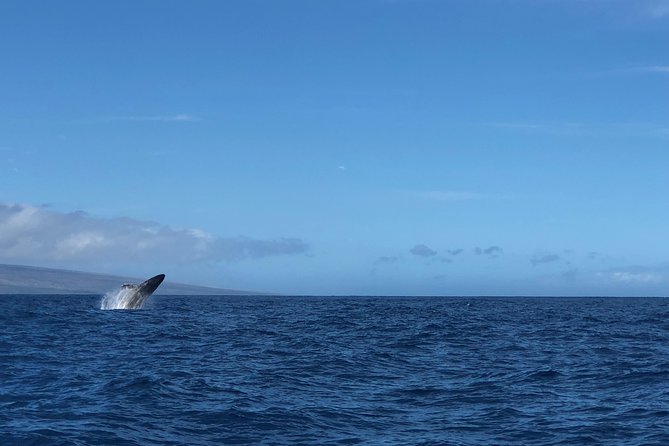
This outing runs about 2 hours. That’s enough time to cover real whale territory without turning the day into a long haul. The shape of the experience usually follows a pattern: get briefed, find whales, then adjust your position as the animals change what they’re doing.
1) Launch + briefing on what you’re looking for
Before you’re fully out on the water, you’ll get the story of humpbacks in their own habitat. The crew includes people with marine biology training, and you may even experience whale-call playback through a speaker during the education portion.
This part matters because it trains you to notice behavior instead of just hoping for a breach. Once you understand what you’re seeing—like courting, escort behavior, or mother-calf pacing—you feel smarter during the ride, not just lucky.
2) Time on the water: the captain’s “find them” work
Once the captain starts searching, you’ll see why the boat choice matters. A smaller vessel can move with more nimbleness around closer water and help everyone maintain eye contact as whales surface.
Guests often talk about how quickly the crew locates whales and how they’ll steer toward the most active moments. One example from recent trips: the crew made a fast change when they heard about a whale “competition,” where males were fighting over a female.




3) Whale encounters: the part where you get quiet
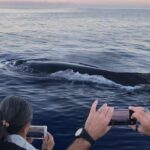
When humpbacks are within viewing range, the crew may ask you to sit still and watch. One guest described it like whale jail—meaning you’re close enough that the best viewing comes from holding steady and not waving or moving constantly.
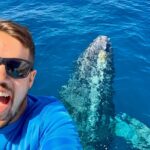
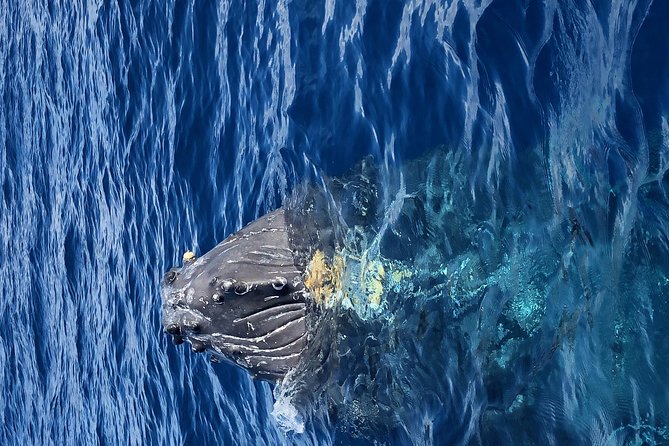
This is also where the low-to-the-water raft feel really pays off. Some encounters described whales swimming under the boat and coming up close enough that it feels like they’re checking you out.
4) Wrap-up and return
Then it’s back to the beach. The experience ends right where you started, at the meeting point area.
Up Close With Northern Pacific Humpbacks: What You’re Most Likely to See
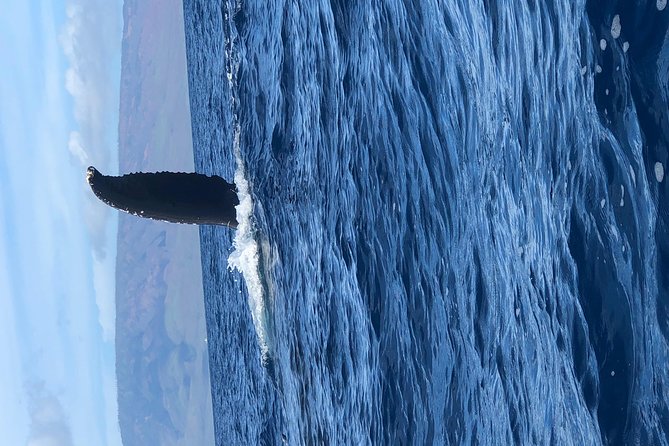
The core promise is learning about—and hopefully seeing—humpback whales in their natural habitat, especially Northern Pacific humpbacks. The best part is that this isn’t a “you might see something someday” vibe. It’s designed for close-range viewing when the whales are available.
Here’s what tends to stand out on trips like this:
Mother and calf moments
You may get to see mothers and calves together. More than one recent sail mentioned a baby whale close to the boat, and it’s the kind of encounter that makes the whole trip click into place—because the whales don’t just swim past, they interact with the water in a slow, deliberate way.
Male behavior and “competition” energy
Humpback males can be dramatic, especially during mating-related activity. Some guests noted seeing multiple males and watching fighting behavior over a female. In those moments, the crew’s job is to get you into the best position while still respecting distance.
Breaches, surface time, and “staying around”
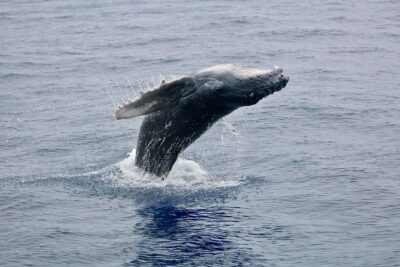
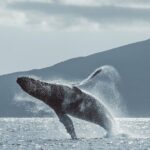
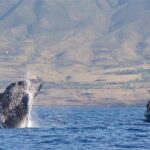
Not every whale breach happens on schedule, but guests report multiple active behaviors—like repeated surface time and close passes. One trip included a playful whale that stayed up near the surface long enough for a long look and what was described as a “wave” style moment.
Dolphins as a bonus
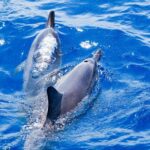
Humpbacks are the main event, but some trips also include dolphins around the boat. That’s not something you should bank on, but if it happens, it’s pure joy on an already memorable ride.
Photos, Drinks, and the Little Details That Make It Comfortable
You’re paying for whale time, but comfort matters on the ride out and back. This tour includes soda/pop and bottled water, and some guests also mention a cooler with cold drinks and even sunscreen available onboard.
The boat is covered with a canopy, which helps a lot in Maui sun and also keeps wind off your face while you scan the horizon. There’s also a built-in feel of safety and stability: guests describe a vessel designed for Coast Guard-style standards, and that everyone gets a seat.
If you’re the type who gets tense about being on the water, the small-group setup helps. You’re not pushed into corners, and your view isn’t blocked by half a wall of people in front of you. That alone improves your photos, because you can aim without constant reshuffling.
Weather, Choppy Water, and Motion Sickness: Plan Like a Pro
This experience is weather-dependent. If conditions are rough, the crew will still try to keep things safe and enjoyable, but the ocean is the ocean.
A couple practical notes from real-world experience on these kinds of boats:
- You may get wet, especially with wind or when boarding involves transferring between smaller boats or into the ocean.
- If you’re prone to motion sickness, speak up ahead of time. Some guests report that the crew has tricks to help, and you’ll be glad you asked early instead of waiting until you’re already feeling off.
Pack like it’s going to be a beach day plus a boat day:
- quick-dry layers you can move in
- sunglasses and reef-safe sunscreen if you use your own
- a light layer for wind (even if the air is warm)
If the day is windy, the ride can feel more physical than you expected. The best defense is being ready: hydrate, stay seated when asked, and focus on the horizon scanning rhythm the crew gives you.
Price and Value: Is $102.20 a Good Deal?
At $102.20 per person for about 2 hours, you’re paying in line with many Maui whale options, but the value comes from what you get for your money: closeness, small-group attention, and onboard comfort.
Here’s how I judge the value:
- Small max group size (up to 20) means you’re more likely to have a clear view when whales surface.
- The raft-style, low-in-the-water approach can make whales feel “near,” which turns a sighting into a memory.
- The marine biology component adds meaning. When someone can explain what you’re seeing, you leave with more than photos.
If your dream is distant whale silhouettes in binocular-free viewing, a bigger ship might still work. But if you want the best shot at intimate views and behavior—breaches, surface passes, and mother-calf pacing—this format is usually the better fit for the dollar.
Who Should Book This Whale Watch (And Who Might Want a Backup)
This tour is a strong match if:
- you want an up-close, intimate whale experience
- you prefer smaller groups over cattle-car sightseeing
- you enjoy learning while you watch, especially behavior details
- you’re okay with ocean spray and being outside for the duration
It’s less ideal if:
- you have a hard time with boat motion and can’t manage it even with help
- you’re expecting a dry, cushy ride with zero water transfer
Also consider that the tour requires moderate physical fitness. That doesn’t mean it’s extreme, but steps onto/around boats and time standing or shifting on uneven surfaces may be part of your day.
Should You Book the Magic Merman Whale Watch?
If your goal is a real chance at close humpback viewing from a smaller raft-style boat, I think this one is worth it. The best indicators are the combination of small group size, a captain who finds whales quickly, and a marine biology layer that makes the sightings feel guided, not random.
Book it if you can handle sun, wind, and the possibility of getting wet. Skip it or plan a backup if motion sickness is a constant problem for you, because this is still a boat out on the water.
FAQ
How long is the whale watching tour?
The tour runs for about 2 hours.
Where is the meeting point?
You meet at 2435 Kaanapali Pkwy, Lahaina, HI 96761, USA. The activity ends back at the meeting point.
How many people are on the tour?
This activity has a maximum of 20 travelers.
What is included for food and drinks?
The tour includes soda/pop and bottled water.
Is tipping included in the price?
Tips for the crew are not included, so plan to bring cash or Venmo for gratuities.
What kinds of whales are you looking for?
The tour focuses on Northern Pacific humpback whales.
What happens if weather is poor?
This experience requires good weather. If it’s canceled due to poor weather, you’ll be offered a different date or a full refund.