REVIEW · MAUI
West Maui and Molokai 60-Minute Helicopter Tour
Book on Viator →Operated by Air Maui Helicopter Tours · Bookable on Viator
Flying over Molokai is jaw-dropping. This six-seat helicopter tour keeps things intimate, and you get two-way headset narration from your pilot as you thread between ridgelines, waterfalls, and sea cliffs in about an hour. If you’re into photos, the bird’s-eye angle is the whole point.
I also like the way the route stacks the big visual hits back-to-back: West Maui’s waterfall country, then the Kapalua coast and the Pailolo Channel, and finally Molokai’s remote north shore with Kahiwa Falls and towering cliffs. One consideration: weather can change the exact flight path and sights, so build in flexibility if you have strong expectations for specific views.
In This Review
- What Makes This Helicopter Tour Worth Your Time
- From Kahului Heliport to West Maui’s Volcanic Spine
- The West Maui Part: Ridgelines, Coastline, and Big Falls
- Kapalua Coast and the Pailolo Channel Crossing
- Over Molokai: Halawa Valley and the Falls You Can’t Reach by Road
- Molokai’s Tall Sea Cliffs: The Finale With Scale
- Price and Value: What You’re Really Paying For
- Group Size, Comfort, and the Small Rules That Matter
- What to Bring (and What to Leave Behind)
- Who This Tour Fits Best
- Quick Tips to Get the Best Experience
- Should You Book This West Maui and Molokai Helicopter Tour?
- FAQ
- Where does the tour meet?
- How long is the flight?
- Is hotel pickup included?
- What’s included in the price?
- Are a USB flight recording and other extras included?
- What are the important things to know about bags and clothing?
What Makes This Helicopter Tour Worth Your Time
- Six passengers max means more window time and a calmer cabin feel than big-group flights
- Pilot storytelling through two-way headsets helps you understand what you’re looking at, not just see it
- Waterfall-heavy routing includes major drops like Honokohau (about 1,100 ft) and Kahiwa (about 1,750 ft)
- Pailolo Channel whale season: in winter there’s a good chance of seeing humpbacks
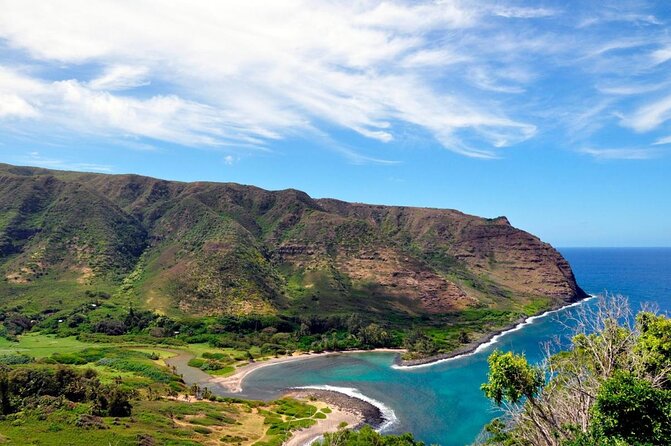
- Molokai’s north shore views feature places like Halawa Valley, Moa’ula Falls, and Moku Ho’oniki
From Kahului Heliport to West Maui’s Volcanic Spine
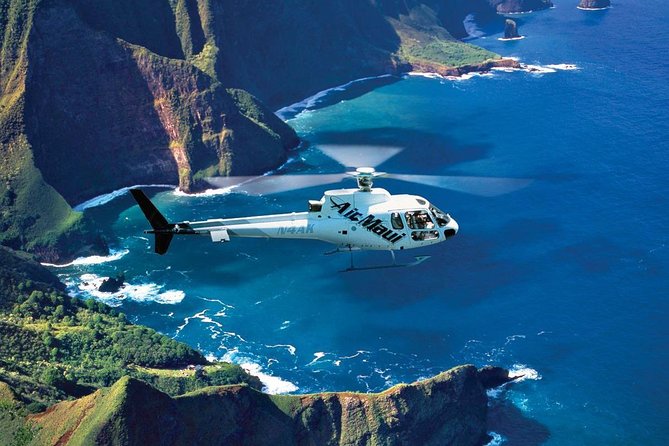
Your flight starts at Kahului Heliport (108 Lelepio Pl, Kahului). From the moment you lift off, you trade road travel for scale. You get the big picture fast: green fields below, ocean color far out, and the shape of the island carved by volcano and erosion.
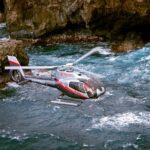
The aircraft is a 6-seat A-star helicopter, shared with up to six passengers and one pilot. That smaller cabin size matters on Maui, because it helps you spread out and take photos without fighting for the best window view.
A few more Maui tours and experiences worth a look


The West Maui Part: Ridgelines, Coastline, and Big Falls
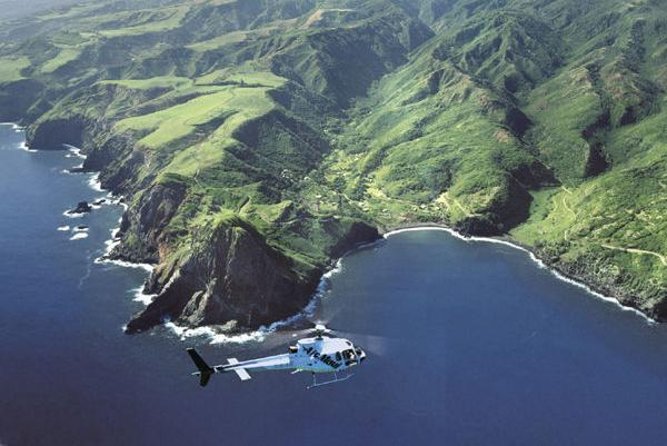
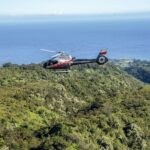
The route is built for “look at that” moments. You’ll fly over the middle of West Maui’s rugged mountains, where the scenery goes from lush valleys to knife-thin ridgelines you’d never notice from the road.
A couple of named highlights can anchor your expectations:
- The Wall of Tears, known for many cascading falls spilling down the slopes
- Honokohau Falls, cited at about 1,100 feet (335 meters), which is the kind of height that reads differently from the air than it does on a hike
If you care about photography, pay attention to what the pilot does with positioning. Several people rave about being flown close to key spots while the cabin stays smooth and comfortable. You’re also asked to wear dark clothing to reduce window reflections, which is a small tip that can noticeably improve your photos.
Kapalua Coast and the Pailolo Channel Crossing
After the mountains, you shift toward the coast. The flight passes above the white-sand beaches along the Kapalua area, then heads toward the Pailolo Channel—the channel that separates Maui from Molokai.
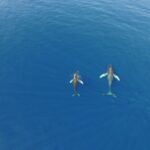
This part is about more than scenery. It’s where the islands stop feeling like “two destinations” and start feeling like a connected system of ocean, weather, and wildlife. In winter, there’s an excellent chance of seeing humpback whales as they travel slowly through the channel, with chances to spot spouts or surface behavior before they disappear for a dive.
Even if you don’t catch whales, the open water view is a nice break from cliffs and waterfalls. It helps your eyes reset.
Over Molokai: Halawa Valley and the Falls You Can’t Reach by Road
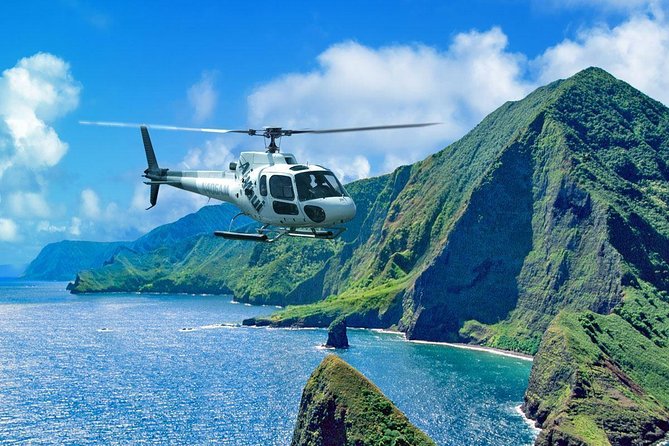
Once you cross into Molokai’s north side, the feel changes. The coastline looks more remote, and the island’s steep drop-offs take center stage. One early sight is Moku Ho’oniki, an islet that was used for target practice by U.S. military bombers and sits offshore near Halawa Valley.
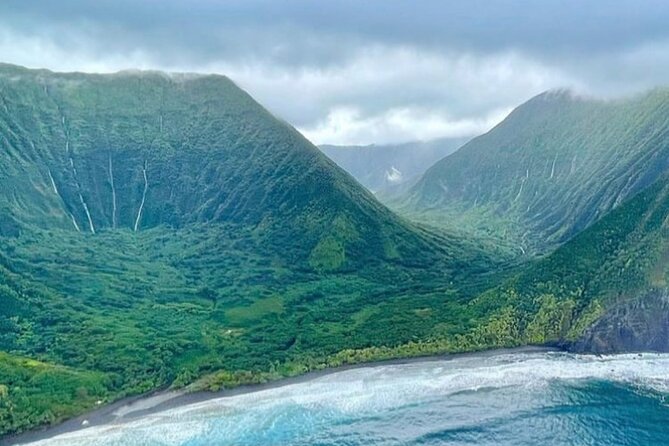
Then the flight opens up the valley view—one of the best reasons to do this by air. You’ll see:
- Halawa Valley, the area often described as the first settlement on Molokai
- Moa’ula Falls, which spills through the back of the valley
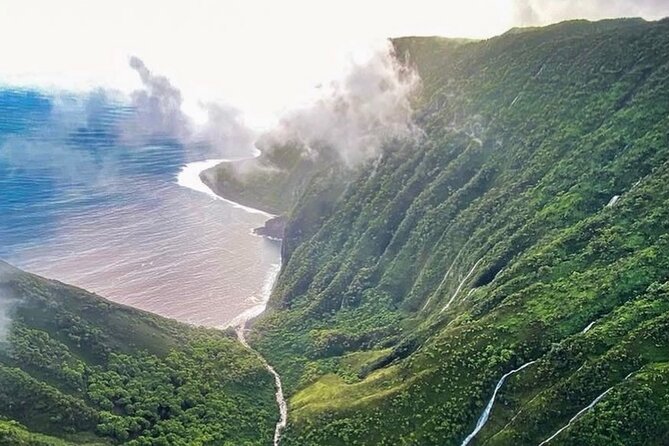
- Kahiwa Falls, listed at about 1,750 feet (533 meters) and dropping to a black-sand beach below
Kahiwa Falls is the kind of scale that makes photos look almost too dramatic. From the air, you can also see how the waterfalls relate to the surrounding ridges, not just the water itself.
Molokai’s Tall Sea Cliffs: The Finale With Scale
The tour wraps with a flight along the tallest sea cliffs in the world, a headline claim you’ll immediately understand when you’re looking down at sheer walls meeting the Pacific. This final segment is a strong closer because it’s less about individual objects and more about total geography.
When you’re deciding if a helicopter is worth it for an island like Maui, this is the “why” moment. You’re not just seeing pretty views—you’re seeing how the island drops, folds, and erodes.






Price and Value: What You’re Really Paying For
At $443.34 per person for about 60 minutes, this isn’t a budget activity. You’re paying for three things you can’t replicate easily:
1) Time compression: you’re seeing West Maui, the Pailolo Channel, and key Molokai north-shore landmarks in one hour
2) Access to vertical scale: waterfalls and sea cliffs are seen from angles that roads and trails can’t match
3) Pilot interpretation: the narration through two-way headsets turns the flight into more than sightseeing
If your Maui trip includes lots of driving, beaches, and one or two paid attractions, this tour can still be a great value because it changes your perspective. It also tends to get recommended by people who want the most “island-first” experience possible without spending days on logistics.
Group Size, Comfort, and the Small Rules That Matter
This is a shared cabin holding up to six passengers plus the pilot. That’s a sweet spot for a helicopter tour: you get the intimate feel, while the staff keeps the flow organized.
A few practical rules can affect your comfort:
- No bags allowed on board, including a purse or backpack
- All passenger weights must be advised at booking; underrepresentation can mean cancellation at check-in with no refund
- There’s a 240 lbs total weight per passenger reference point, with extra-seat requirements if combined weights exceed set thresholds or for multi-passenger groups
- Dark clothing is requested to cut down window glare for photos
Also remember: routes and sights may vary due to weather. That’s normal in Hawaii, and it’s why you should book when your schedule allows flexibility.
What to Bring (and What to Leave Behind)
Keep it simple. You don’t want to be scrambling with items at the heliport. Since bags are not allowed on board, plan around a light setup.
A good approach is:
- Bring your phone/camera and keep essentials minimal
- Wear the dark clothing they request
- Expect that windows are a major part of the experience, so wipe and angle your shots with glare in mind
If you want a flight recording on USB, note that it’s not included.
Who This Tour Fits Best
This is a strong match if you want:
- Top views fast without doing long hikes
- A photography-focused experience where you can aim for waterfalls, cliffs, coastlines, and channel water
- A short, once-in-a-lifetime activity that gives context through pilot narration
It also tends to work well for couples and families who want the thrill without the stress of complex planning. If you’re sensitive to noise or you dislike non-stop audio, consider that the cabin can include background sound; one person noted music being louder than expected. The headsets are there to help you hear narration, but cabin audio style can vary.
Quick Tips to Get the Best Experience
- Pick a morning or afternoon departure based on your schedule, then be flexible about which exact sights show up most clearly if weather affects the route
- Wear dark clothing to help with reflections in the windows
- Ask the pilot, when appropriate, how to frame photos before you’re locked into action
- If you want whale chances, aim for winter season when humpbacks are more likely in the Pailolo Channel
Should You Book This West Maui and Molokai Helicopter Tour?
If you’re the type who wants the biggest “wow” views in the shortest time, I’d say yes. The combination of West Maui waterfalls, the Pailolo Channel crossing, and Molokai’s Halawa Valley + Kahiwa Falls + sea cliffs is exactly the sort of island coverage that feels hard to beat in one hour.
I’d think twice if you’re on a tight budget, hate the idea of weather changing what you see, or you want a relaxed activity with minimal rules. Helicopters are simple, but they’re also precise: no bags, weight matters, and you’ll follow instructions to keep the cabin safe and comfortable.
If your goal is to see Maui and Molokai from the air with real pilot context, this is one of the cleanest ways to do it.
FAQ
Where does the tour meet?
You meet at 108 Lelepio Pl, Kahului, HI 96732. The tour ends back at the meeting point.
How long is the flight?
The flight is about 60 minutes, and the whole experience is approximately 1 hour.
Is hotel pickup included?
No. Hotel pickup and drop off are not included.
What’s included in the price?
The price includes the 60-minute flight over West Maui and Molokai.
Are a USB flight recording and other extras included?
No. A flight recording on USB is not included.
What are the important things to know about bags and clothing?
No bags are allowed on board (including a purse or backpack). You’re also asked to wear dark clothing to reduce reflections in the windows for better photos.