REVIEW · MAUI
Haleakala Classic Vehicle Sunrise Tour with Breakfast
Book on Viator →Operated by Bike Maui AND Haleakala EcoTours · Bookable on Viator
Ready for Maui’s sky-high alarm clock? This Haleakala Classic Vehicle Sunrise Tour takes you to the crater for a guided pre-sunrise buildup and then down to charming Upcountry towns, with breakfast included. You’ll get the Haleakala sunrise experience plus practical help from an interpretive guide so you know what you’re seeing.
I especially like two things: the Helly Hansen windbreaker suit (big help when the summit air bites), and the way the guides connect the view to Maui’s geology and culture along the road. On top of that, you don’t have to stress about driving the switchbacks in the dark.
The main drawback to plan for is timing: you’re up very early, and the summit can be cold and windy even when Maui feels warm down below. Also, you get a taste of Makawao and Paia, not long hang-out time in either town.
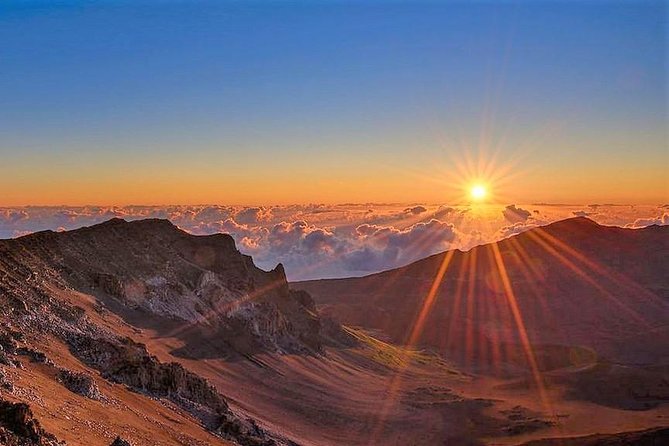
Sunrise isn’t just the moment: you get time for the changing-color period before the sun crests the horizon.
NAI Certified interpretive guides: you’ll hear Maui history and get geology/ecology context as you climb.
Cold-weather kit included: a Helly Hansen windbreaker suit is part of the tour.
Upcountry + town stops: Makawao’s paniolo roots and Paia’s sugar-plantation story fit into a single morning.
Pickup depends on where you’re staying: double-check your day/area so you’re not rushing at 2 or 3 a.m.
In This Review
- Why Haleakala sunrise feels different from any beach morning
- Summit timing: when you’ll start moving (and why you’ll feel it)
- Guides on the road: history, geology, and keeping you awake
- Haleakala Crater stop: what you should actually do with your time up there
- Upcountry views and Kula’s working farms
- Makawao: paniolo town stops where the past still hangs around
- Paia and breakfast: fuel for the morning and a history lesson in one café stop
- Price and value: what $271 buys you on Maui
- Pickup logistics: the part you should double-check before sleep becomes optional
- Who should book this Classic Vehicle Sunrise Tour
- Should you book this Haleakala Classic Vehicle Sunrise Tour with Breakfast?
- FAQ
- What’s included in the Haleakala Classic Vehicle Sunrise Tour with Breakfast?
- Is this tour a bike tour?
- How long is the tour?
- Where does the tour start, and can I get pickup?
- What should I bring with me?
- When should I expect check-in times?
Why Haleakala sunrise feels different from any beach morning
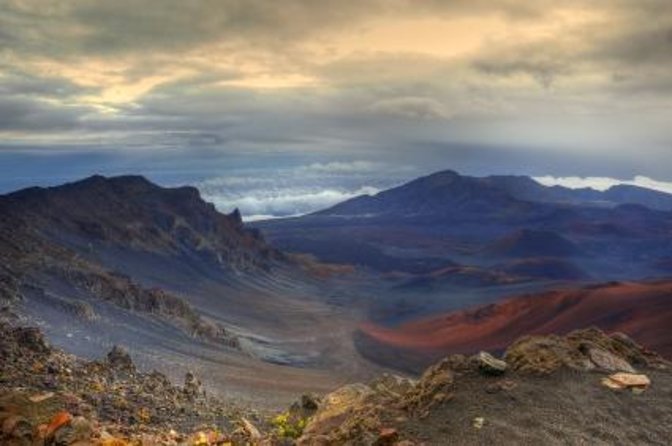
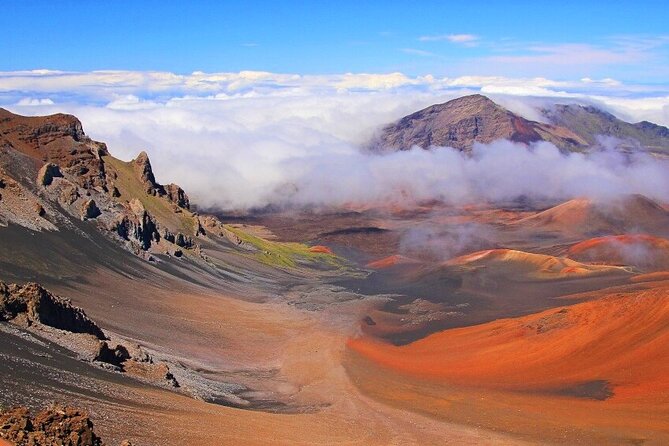
Haleakala sunrise is its own category of travel. The big draw here is altitude: you’re headed to the crater rim where you’re often above the clouds, so the scene feels huge and clean—like the island is suddenly revealed all at once. You’re not just chasing a photo; you’re watching the sky change, with the guided timing built in.
This tour also adds value by making the drive part of the experience. You get a guided vehicle trip through the park and Upcountry Maui, with stories about how the land formed and how people shaped it. That turns sunrise from a single stop into a whole arc of learning, views, and stops.
And yes, it’s scenic travel that’s easier than doing it solo at night. The vehicle is air-conditioned, and you’ve got an experienced driver handling the windy roads while your job is basically to stay awake, bundle up, and look up.
Summit timing: when you’ll start moving (and why you’ll feel it)
You should assume an extremely early start. Your day often begins before true sunrise by enough hours to give you time for pre-dawn viewing and the ramp-up to the main event. In the warmer months (May through September), the provider notes that leaving early is important so you don’t miss the changing-colors period right around sunrise.
The check-in timing is seasonal:
- 4:00 a.m. for January and February
- 3:30 a.m. for March and April
- 3:00 a.m. for May through September
- 3:30 a.m. for October and November
- 4:00 a.m. for December
That early departure is the tradeoff for actually being at the right place when the sky does its thing. If you’re sensitive to waking up cold, plan for it as part of the cost of admission—bring layers, and don’t underestimate how dark and quiet it feels on the climb.
Also, expect that you’ll likely be holding tight until the main moment. One of the joys of sunrise is that it takes time to build, but if you want a schedule where you’re always moving, this is a different style. It’s a sunrise experience first, not a sightseeing whirlwind.
A few more Maui tours and experiences worth a look

Guides on the road: history, geology, and keeping you awake
This is an interpretive vehicle tour, and the guide role matters. You’ll be traveling with NAI Certified Interpretive Guides who talk about Maui’s culture and history along the way. Once you’re in the park area, the focus shifts toward geology and ecology—so you’re not watching the world like it’s random scenery.
You’ll also hear that safety matters early and often. Multiple guides in recent tours have been praised for emphasizing safety, keeping the group calm, and running the day smoothly even when everyone is sleepy. The road to Haleakala isn’t an everyday drive, and having the guide set expectations helps.
There’s also a social rhythm to this kind of group morning. Several guide names have come up—Eddie, Cory, Dan, Kemo, and Mike—and in particular you’ll want a guide who can keep people from drifting into full-on “sleep-on-the-road” mode. Many of the best days include extra moments like stargazing stops on the way up, which is a nice bonus if weather allows and the timing lines up.
Haleakala Crater stop: what you should actually do with your time up there
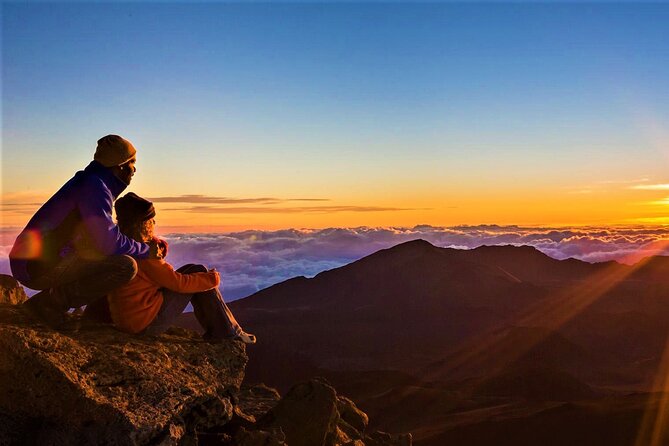
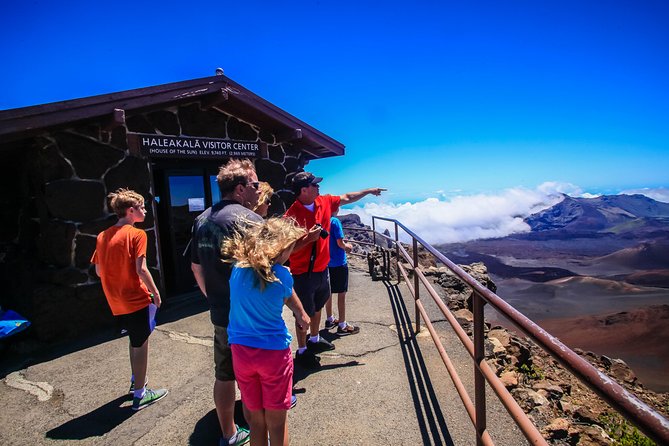
Your main summit time is built around the crater rim experience. You’ll enter Haleakala National Park with the included admission, and you’ll have a dedicated stop time (about two hours) for sunrise viewing. The tour is designed so you have more than a single instant: you get time for views leading into sunrise and the moment itself.
Here’s how to get the most out of that window:
- Dress in layers, then layer again. The summit can be a shock compared to sea level.
- Keep your hands warm for photos. Cold fingers are the fastest way to ruin your camera experience.
- Stay patient. Sunrise isn’t instant, and the sky usually gives you a slow show before the sun clears.
The guides often set the tone so you know what to watch for: the color shifts, the movement of light through the crater, and the way the scene opens out. That’s where the guide stories pay off. When someone ties what you’re seeing to the geology and ecology of the area, the views stop being just pretty—they become meaningful.
If the weather is poor, sunrise can change everything. The tour requires good weather, and the provider states it can be rescheduled or refunded if it’s canceled for weather reasons.
Upcountry views and Kula’s working farms

Once you’ve done the sunrise viewing, the tour keeps moving through Upcountry Maui. You’ll see how the island’s volcanic soil and cooler conditions support farming and ranching. Pastures line the mountain sides, and you’ll get that sense that this isn’t just a scenic drive—it’s land that people farm and work.
The tour description calls out specific crops you may notice along the way: lavender, protea, and macadamia nuts in the Kula area. You won’t be wandering for hours through fields, but you’ll get the visual context from the vehicle and guide commentary that helps you recognize what you’re seeing.
This is also a good part of the trip for photography, because the sky often clears after sunrise and the light changes. Just remember you’re still on island time, meaning you’ll want to be ready when the guide calls a stop or pulls over for a view.
Makawao: paniolo town stops where the past still hangs around
After sunrise, you head to Makawao for a shorter stop (about 30 minutes). This is where Haleakala sunrise tour morning turns into a quick taste of Upcountry town character. Makawao is tied to the paniolo (Hawaiian cowboys), and the town’s roots show in small, physical details—like hitching rails at storefronts.
Even with limited time, Makawao is a smart stop because it gives you a cultural “breather” from crater time. You get a human-scale town feeling without losing the sense of place that Upcountry Maui has. Think of it as the intermission between the summit and Paia.
Time is tight, so if you like browsing, do it fast: grab a quick look, take a few photos, and let the guide keep you on schedule. This is one of those stops designed more for atmosphere than for long exploration.

Paia and breakfast: fuel for the morning and a history lesson in one café stop
Paia is where the tour shifts from Upcountry to North Shore vibes. You’ll spend about an hour here, and the focus is on how the town was shaped by sugar plantations while Paia today is known as a surf destination.
The big practical win: breakfast is included, and the tour stops at a café in Paia. This matters because early mornings can hollow you out. You’ll likely be up long before you normally eat, and that café stop gives you something warm and filling when your body is still catching up.
One added tip from real-world experience on this route: if breakfast items are available, go for something satisfying rather than snack-level. The morning is long, and the tour timing doesn’t leave you enough room to pretend you can skip food.
Also, manage expectations for town time. You get an hour, so you can check things out, but you shouldn’t plan on a long shopping wander. If you want to linger in Paia, this tour can be your morning anchor, then you come back later under your own schedule.
Price and value: what $271 buys you on Maui
At $271.07 per person, this tour isn’t the cheapest way to see Haleakala sunrise. The value comes from what’s included and what it prevents you from doing.
Here’s what your money covers:
- Air-conditioned vehicle
- All fees and taxes
- Haleakala National Park entrance
- Breakfast (at a café in Paia)
- A Helly Hansen windbreaker suit top and bottom
- Guided vehicle tour (it’s not a bike tour)
- Mobile ticket
What you still need to plan:
- Bring your own water and snacks
So you’re paying for convenience and support. You’re paying for being driven to the crater, having interpretive guidance, and showing up with the cold-weather gear that many people forget until they’re already freezing. If you were planning to DIY with your own car, you’d likely spend time on logistics, parking, and timing—plus you’d still need the right gear.
That said, sunrise is one of those experiences where DIY can feel tempting. If you’re an experienced early riser who can handle driving in the dark and you’ve got your clothing handled, driving yourself might save money. But if you want a smoother, guided, gear-supported morning, this is a straightforward buy.
Pickup logistics: the part you should double-check before sleep becomes optional

The tour offers pickup, but it’s not universal. Pickup depends on availability, and the schedule is tied to Maui areas and specific days:
- West Maui: Monday and Thursday only
- South Maui: Tuesday and Friday only
- Central Maui: Monday, Tuesday, Thursday, and Friday
Your starting meeting point is in Kahului (1090 Ho’okele St, Kahului, HI 96732). Pickup can change based on your location and the tour’s operating plan, so don’t assume a random hotel address will work.
Here’s the practical move: when you book, confirm that your pickup day matches the day your tour runs for your part of the island. If your pickup is late or wrong, the summit clock doesn’t pause for you. This tour is timed to the changing light, and the day is built around arriving when it matters.
Also, remember the tour caps at a maximum group size of 96 travelers. That matters because sunrise mornings are busy, and capacity influences pacing and how quickly the guide can manage stops.
Who should book this Classic Vehicle Sunrise Tour
This tour is a great fit if:
- You want sunrise without driving the dark switchbacks yourself
- You like learning while you travel, especially about geology and ecology
- You’ll appreciate included cold-weather gear
- You want a structured morning that ends with breakfast and town stops
It may be less ideal if:
- You want lots of unstructured time in Paia or Makawao
- You hate early wake-ups and can’t handle cold wind at altitude
- You’re trying to fine-tune every minute for a super DIY-style plan
If you’re jet-lagged, the early start can actually be a benefit. Getting up early and moving can help reset your body clock fast—then you can enjoy the rest of Maui later with more energy.
Should you book this Haleakala Classic Vehicle Sunrise Tour with Breakfast?
Book it if you want a sunrise that feels guided, supported, and efficient: pickup where available, park entry included, breakfast in Paia, and a windbreaker suit so you’re not scrambling for gear. The interpretive guide component also helps you understand why Haleakala looks the way it does, not just how it feels.
Skip or rethink it if you’re hoping for long town hang time, or if you’re very sensitive to early mornings and cold, windy conditions. Sunrise tours are always weather-dependent, and Haleakala’s summit experience demands patience.
My quick bottom line: if you want the crater sunrise experience with less stress and more context, this one is a solid value for the money you’re paying—especially because it includes both the park entry and the cold-weather kit.
FAQ
What’s included in the Haleakala Classic Vehicle Sunrise Tour with Breakfast?
You get an air-conditioned vehicle, all fees and taxes, the Haleakala National Park entrance, and a guided vehicle tour. Breakfast is included with a stop at a café in Paia. You also receive a Helly Hansen windbreaker suit top and bottom, plus pickup is offered depending on availability.
Is this tour a bike tour?
No. This is a vehicle tour (no biking).
How long is the tour?
It runs about 6 hours (approx.).
Where does the tour start, and can I get pickup?
The meeting point is 1090 Ho’okele St, Kahului, HI 96732, USA. Pickup options depend on availability, and they vary by area and day: West Maui Monday/Thursday, South Maui Tuesday/Friday, and Central Maui Monday/Tuesday/Thursday/Friday.
What should I bring with me?
Bring your own water and snacks. Since the summit can be cold and windy, dress for chilly conditions even if you feel warm in Maui early in the morning.
When should I expect check-in times?
Check-in times are seasonal. The provider notes: 4:00 a.m. (Jan/Feb), 3:30 a.m. (Mar/Apr), 3:00 a.m. (May–Sep), 3:30 a.m. (Oct/Nov), and 4:00 a.m. (Dec).