REVIEW · MAUI
Kahului: Doors-off West Maui and Molokai Helicopter Tour
Book on GetYourGuide →Operated by Air Maui Helicopters · Bookable on GetYourGuide
That first gust of open-air wind is the whole point. This doors-off West Maui and Molokai helicopter tour turns Maui’s coastline into a real-time view from above, with pilot narration and music guiding you over rainforest, cliffs, and waterfalls. I especially like the included windbreaker, goggles, and cell-phone lanyard, plus the no-drama rules that keep photography simple. The trade-off: you’re on an open aircraft, so it can be windy, and your “camera kit” is basically limited to your cell phone only.
You’ll fly out of Kahului and back, so the experience stays focused: short, high-impact flight time over two of Maui’s most dramatic regions. What also makes this tour feel worth it is the way you get time over West Maui’s mountains and the North shore of Molokai, including the tall sea cliffs and cascading waterfalls. The one thing to consider carefully before booking is the weight rule, which can trigger the need for an extra comfort seat for safety and fit.
In This Review
- Key Things That Make This Tour Worth Your Time
- Why West Maui and Molokai Look Different From the Air
- Kahului Heliport Check-In: What to Expect Before You Fly
- West Maui Mountains: Rainforest and Coastline From Above
- Crossing Toward Molokai: The Pailolo Channel Moment
- Molokai’s North Shore: Tall Sea Cliffs and Waterfalls Close Up
- Photo Reality Check: The Cell-Phone-Only Rule (And How to Work It)
- Wind, Comfort, and What the Gear Actually Does
- Price and Value: $403 Per Person for a Short, High-Impact Flight
- Weight Limits and the Comfort Seat Rule: Don’t Skip This
- Who Should Book This (And Who Might Want to Pass)
- Should You Book the Kahului Doors-Off West Maui and Molokai Helicopter Tour?
- FAQ
- How long is the helicopter tour?
- Where does the tour start and end?
- What’s included in the tour price?
- Can I bring a camera or take photos with a camera?
- Is there a weight limit for passengers?
- Is this tour suitable for children?
Key Things That Make This Tour Worth Your Time
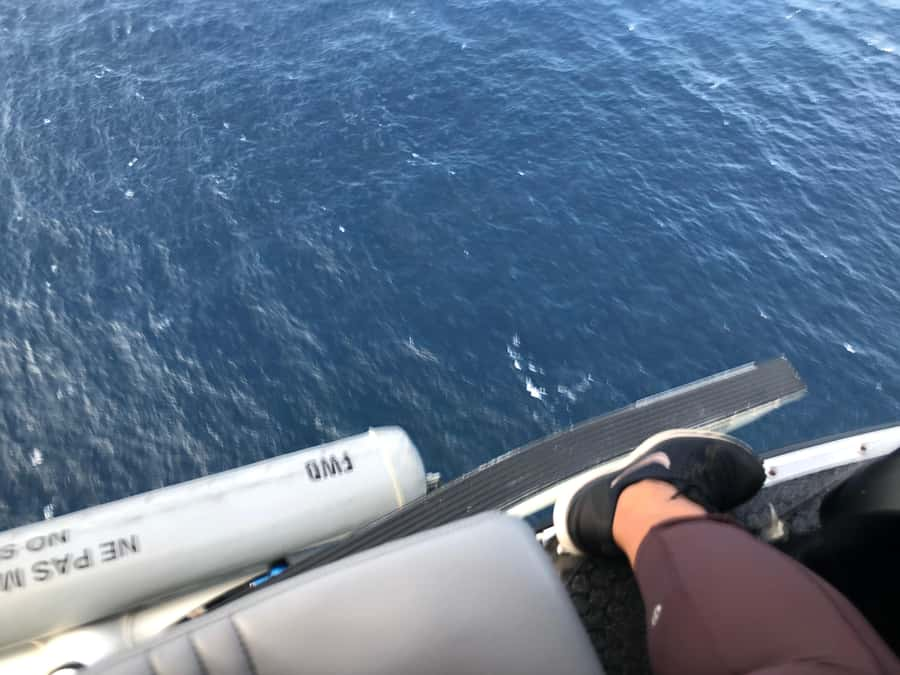
- Doors-off open-air setup: you’re in the wind with unobstructed sightlines
- Smart photo rules: only your cell phone is allowed on board for pics
- Pilot narration and music: you don’t just look; you understand what you’re seeing
- West Maui to Molokai routing: rainforest-to-coastline views with the Pailolo channel crossing
- Small group cap (6 people): more manageable sightlines and smoother onboard flow
Why West Maui and Molokai Look Different From the Air
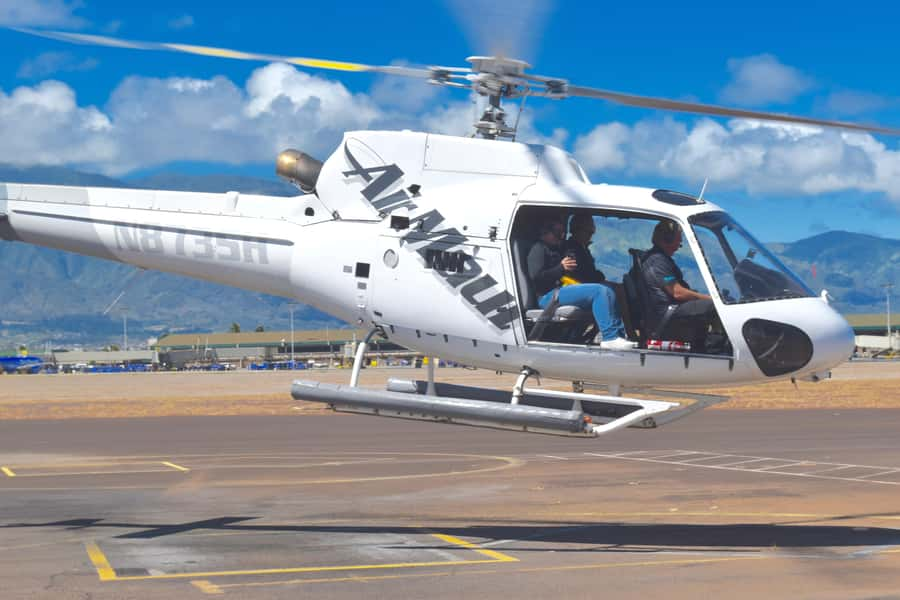
Maui from the road can be scenic. Maui from a helicopter is something else. The big win here is that you’re seeing two distinct kinds of drama: West Maui’s mountains and coastline first, then Molokai’s north shore, where the sea cliffs and waterfalls pile up along the coast.
A doors-off flight matters because it changes how your eyes read the terrain. From the air, you don’t just notice cliffs and water—you see how they connect: where the rainforest grabs the slopes, where the coast bends, and how far those cliffs drop. It’s the kind of view that makes your photos look less like proof and more like memory.
This is also a good “use your time” activity. You’re not spending the day piecing together scenic stops. You get a focused aerial ride from Kahului and back, with a flight plan that’s built around the best-looking sections of West Maui and Molokai.
A few more Maui tours and experiences worth a look



Kahului Heliport Check-In: What to Expect Before You Fly
The tour starts at Kahului Heliport at 1 Keolani Pl and ends back at the same meeting point. That round-trip structure helps you plan your day, because you’re not guessing how far you’ll be from your hotel after the tour.
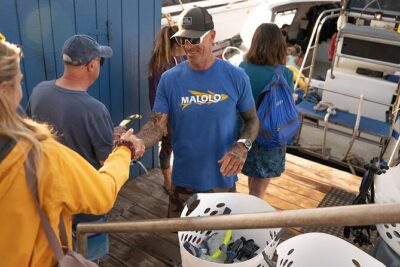
When you arrive, the staff takes you through the pre-flight routine and gets you fitted with what you need. Here’s the practical part: you’ll be given a windbreaker jacket, goggles, and a lanyard for your cell phone. Plan on closed-toe shoes. Also note what you can’t bring: hats, cameras, and bags are not allowed on board.
That sounds strict, but it’s meant to keep things safe and clean in a doors-off setting. The less loose stuff floating around near the open sides, the easier it is to fly without distraction—and the better your views stay unobstructed.
West Maui Mountains: Rainforest and Coastline From Above
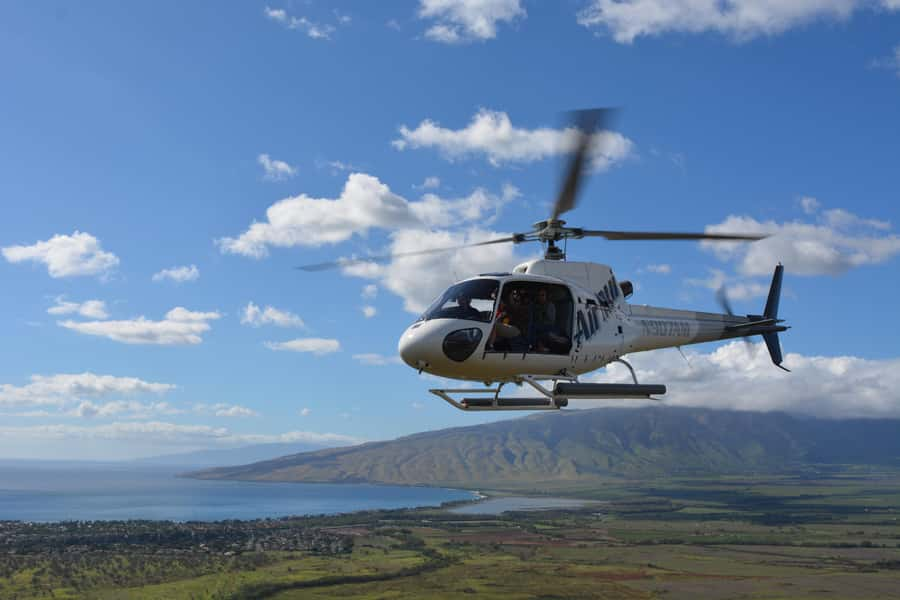
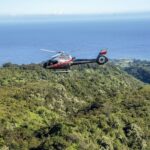
Your flight starts with West Maui Mountains. In the air, this area reads like a big green wall that meets the ocean in layers. You can track the edges of the rainforest and see how the coastline curves and breaks—details you’d never catch from a viewpoint on land.
This is the part where you’ll likely feel the “wind in your hair” effect the most. With the aircraft open, you’ll want to keep your posture steady and your gear secured. The goggles and jacket help, but you’ll still feel the breeze. I like that you’re not locked behind glass here—no reflections, no fogged windows, and no guessing where the coastline really sits.
Another plus: you get pilot narration and music, so the flight doesn’t feel random. You’re hearing what you’re looking at while you’re looking at it. That makes the time over West Maui feel intentional rather than just fast.
Crossing Toward Molokai: The Pailolo Channel Moment
After West Maui, the route crosses the Pailolo channel to Molokai. That crossing is more than a transit segment. From the air, channels and straits are where the scale gets real. Water looks calmer or rougher depending on exposure, and coastlines suddenly show their true geometry—how they face the open ocean and how that shapes what you see below.
This is also where the scenery shifts from mountain-to-coast into a more “coastal vertical” look. Molokai’s north side is known for steep drops and dramatic shoreline shapes. Once you’re oriented, the flight feels like you’re entering a different world of terrain.
If you’re the type who likes to understand what you’re seeing (not just snap pictures), this is a strong portion of the ride because it’s guided. You’re not left staring at random shapes; you’re being pointed toward the features that matter.
Molokai’s North Shore: Tall Sea Cliffs and Waterfalls Close Up
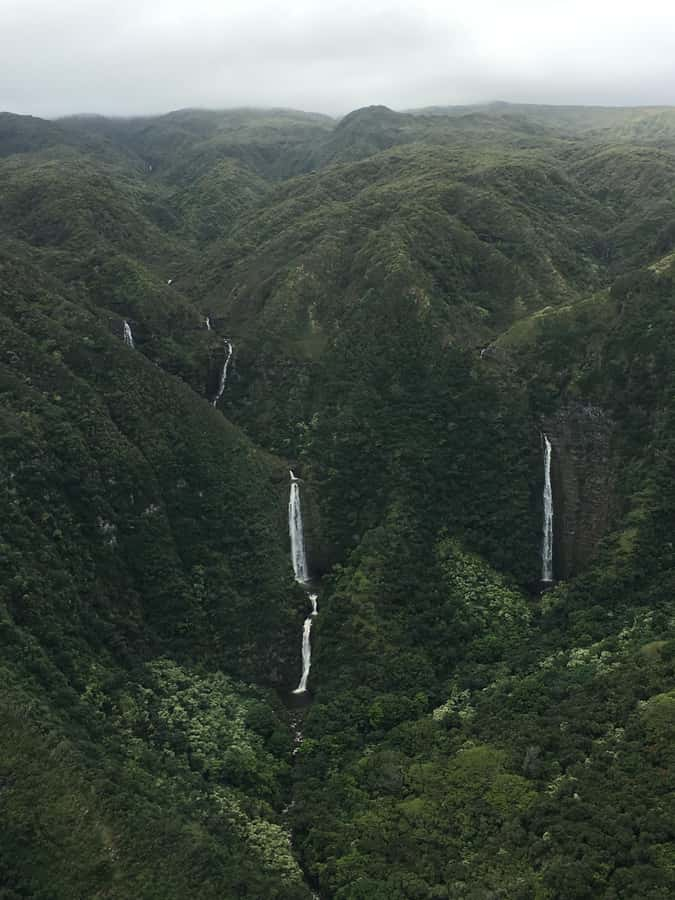
The highlight that pulls people in is the North shore of Molokai, including the tallest sea cliffs and cascading waterfalls. From ground level, waterfalls can feel hidden by vegetation or hard angles. From the air, you can see the full drop lines and the way water threads down steep rock.
This is the part of the tour where the doors-off design pays off again. Unobstructed sightlines help you track the cliff edges and waterfall paths in a way a windowed view usually can’t match. You’re also close enough to feel like the coastline is unfolding at your pace, not just passing beneath you.
And because the narration and music are built into the experience, you’re not just looking at waterfalls—you’re learning what section you’re flying over while you’re still in position to enjoy it.






Photo Reality Check: The Cell-Phone-Only Rule (And How to Work It)
This tour has a clear policy: only your cell phone is allowed on board for picture taking. No separate camera gear, and no other loose media items like a bag of accessories.
To make that rule work for you, here are the smart moves:
- Keep your phone secure in the provided lanyard, not in your hand while the aircraft is moving.
- Expect wind and vibration. Hold your phone steady when you shoot, and consider short bursts instead of trying to record long steady video.
- Don’t plan on bringing a second device for backup. The rules are designed to keep the cabin clear.
One more thing: you’ll be wearing goggles, which can make it easier to keep your focus on the view rather than on wind irritation. It also helps with the “I can actually see what I’m doing” problem that happens in open-air setups.
If you’re hoping to bring home a fancy photo package, note that the tour does not include a media package like an optional USB live video and/or photo. That’s listed as not included.
Wind, Comfort, and What the Gear Actually Does
Doors-off doesn’t mean you’re cold the whole time, but it does mean you’re exposed. You should expect the wind to be noticeable. The good news is that the tour provides a windbreaker jacket and goggles, which are the two biggest comfort wins for open-air flying.
Also, because you’re not using a bag or hat, you can travel light on essentials and still be prepared. Closed-toe shoes matter for practical safety. Bring the mindset that you’ll feel the breeze and plan your comfort around that.
The other comfort factor is group size. This tour is limited to 6 participants, which helps keep the space manageable and the flight experience less chaotic when it’s time to get ready, adjust gear, and take the cell-phone shots.
Price and Value: $403 Per Person for a Short, High-Impact Flight
At $403 per person, this is not a bargain activity. But I think it’s easier to judge value if you compare it to what you’re actually buying: a doors-off flight that targets two of Maui’s most dramatic aerial subjects—West Maui Mountains and Molokai’s north shore cliffs and waterfalls.
You’re paying for:
- the aircraft and door removal experience
- the guided flight route (pilot narration plus music)
- the specific sightseeing target: cliffs, waterfalls, rainforest, coastline
- included safety/comfort gear (jacket, goggles, phone lanyard)
If you’re the type who would spend money on a premium sunset dinner just for the experience, this competes well. You’ll get a sensory “wow” that you can’t replicate with a drive or a short hike. And because you’re focused on a single flight rather than a full day of stops, you’re also paying for time efficiency.
The only place where the price can feel less justified is if you hate wind, dislike open-air setups, or strongly want a traditional camera workflow. Since you’re limited to your cell phone onboard and the flight is short, you’ll want your priorities aligned before you book.
Weight Limits and the Comfort Seat Rule: Don’t Skip This
This is the part I’d treat as mandatory reading. For doors-off flights, the operator has strict weight and comfort-seat thresholds to keep things safe and comfortable in the aircraft.
The rules provided are:
- A comfort seat (an additional seat) is required for one passenger weighing 230 lbs or more.
- For two passengers, a comfort seat is required at 400 lbs combined.
- For groups of three or more, the trigger is 190 lbs average.
- Any passenger over 250 lbs must purchase a comfort seat, regardless of combined weight.
You also need to provide accurate body weight at checkout. If you’re right near the threshold, it’s worth double-checking your booking details early so you don’t end up scrambling later.
If you fall into that category, consider how an extra seat might affect your plans. It’s still the same sights, but it changes cost and how you’ll organize your booking with your group.
Who Should Book This (And Who Might Want to Pass)
This tour is a great fit if you want:
- doors-off thrill with unobstructed views
- a short activity that still feels like a major highlight
- guided, narrated sightseeing rather than just flying and guessing
- strong aerial interest in Molokai’s north shore cliffs and waterfalls
It may not be ideal if:
- you’re sensitive to wind or you hate open-air experiences
- you need to bring a traditional camera setup (the rules limit you to your cell phone)
- you’re traveling with kids under 10, since it’s listed as not suitable for children under 10
If you’re traveling as a couple or a small group and you want Maui to include one “wow” moment that’s truly different from beaches and roads, this is one of the more direct ways to do it.
Should You Book the Kahului Doors-Off West Maui and Molokai Helicopter Tour?
I’d book it if your goal is maximum scenery per minute and you’re excited by the wind-and-open-air side of helicopter travel. The routing makes sense: West Maui Mountains first, then the Pailolo channel, then Molokai’s north shore with its famous sea cliffs and waterfalls. Add in pilot narration and the included jacket and goggles, and you’ve got a tour that’s both guided and built for real views.
I’d hesitate if you’re uncomfortable with wind exposure, if your “must-have” photos require gear beyond a cell phone, or if your group might bump into the comfort seat weight rules. In those cases, the tour can still work, but you’ll want to plan with the rules in mind rather than hope it’s flexible.
If you want one high-impact Maui experience that feels like you left the island’s roads behind, this is a strong choice.
FAQ
How long is the helicopter tour?
The tour duration is listed as 45 minutes, with starting times depending on availability.
Where does the tour start and end?
Check in is at Kahului Heliport (1 Keolani Pl), and the activity ends back at the same meeting point.
What’s included in the tour price?
It includes a doors-off helicopter tour, views of West Maui and Molokai, plus live narration and music from your pilot. You’ll also be provided a lanyard for your cell phone, a windbreaker jacket, and goggles.
Can I bring a camera or take photos with a camera?
No. Only your cell phone is allowed on board for picture taking. Cameras are listed as not allowed.
Is there a weight limit for passengers?
Yes. A comfort seat may be required based on weight: 230 lbs or more for one passenger, 400 lbs combined for two passengers, or 190 lbs average for groups of three or more. Any passenger over 250 lbs must purchase a comfort seat.
Is this tour suitable for children?
It is not suitable for children under 10 years old.
If you want, tell me your group size and approximate ages (and whether anyone is near the weight thresholds). I can help you sanity-check fit before you book.