REVIEW · MAUI
Haleakala Express Self-Guided Bike Tour with Bike Maui
Book on Viator →Operated by Bike Maui AND Haleakala EcoTours · Bookable on Viator
Haleakala on two wheels feels unreal. This Express self-guided ride starts just outside the national park at about 6,500 ft, then gets you into switchbacks and down toward Upcountry Maui, with an air-conditioned vehicle handling the back-and-forth. I love that the hardest part is built into the day’s flow, not dumped on you all at once, and you get the important ride basics covered with a helmet, windbreaker, and a custom Kona bike.
My other big win is the local storytelling during the transfer and meet-up stretches, with guides like Kimo, Dan, Tim, Nico, and Kimi called out for real local context. Makawao is a nice payoff too, with time to stop for a no-host lunch and poke around a town that feels distinct from the beach areas. The main drawback to keep in mind: portions of the route can be shortened or altered by local rules, so you might end up doing more shuttle/loop riding than a full-length continuous downhill.
In This Review
- Key things to know before you pedal
- Entering The Haleakala Express route: what you’re really buying
- Start at Haiku: the 9:30 am kickoff and meeting point
- The park-side launch: 6,500 ft start and the downhill mindset
- Upcountry Maui by bike and shuttle: Makawao first, then Haiku
- Gear that makes the ride easier (and why you’ll care)
- Who should choose this tour (and who should skip it)
- Price and value: is $146.25 a fair deal?
- Timing, weather, and traffic: the real-world pieces
- Route changes and why you might not get the same ride twice
- Tips to have an easier ride day
- Should you book the Haleakala Express self-guided bike tour?
- FAQ
- Where is the meeting point for the Haleakala Express Self-Guided Bike Tour?
- What time does the tour start?
- How long is the tour?
- Is this tour self-guided or guided?
- What is included in the price?
- What should I bring since it’s not included?
- Do you offer hotel pickup?
- What are the minimum requirements for riders?
- How many travelers can be on this tour?
- What happens if weather is poor?
Key things to know before you pedal
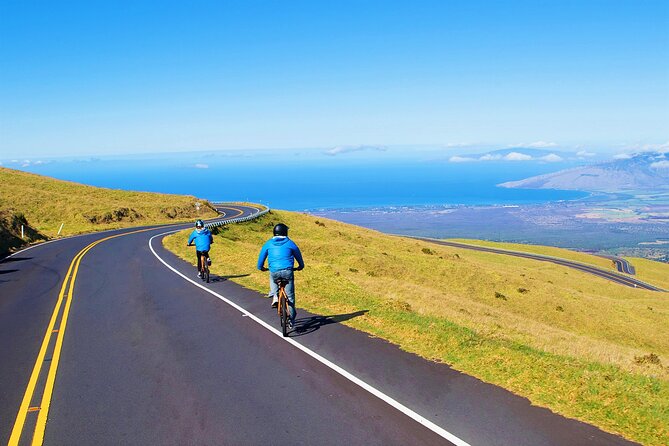
- Express format: you start high near Haleakala and use van transfers to reduce time spent repositioning
- Provided ride kit: bell helmet, windbreaker (top and bottom), Kona mountain bike, and a Da Kine backpack
- Real Upcountry stops: time through Makawao and on to Haiku, with a no-host lunch option
- Self-guided doesn’t mean alone: you get instructions and support, plus a shuttle segment if needed
- Moderate fitness + recent biking: you’ll want comfort with braking and control before you go
Entering The Haleakala Express route: what you’re really buying
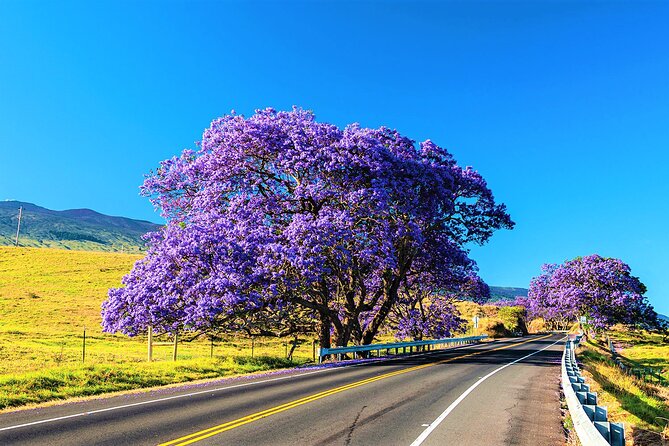
This tour is built for one goal: getting you from Haleakala’s high country to Upcountry Maui with a downhill bike focus, without turning your day into an all-day, soul-crushing climb-and-pedal marathon.
You’re not just biking. You’re biking and riding the vehicle that moves you between the park-side starting zone and the rest of the route. That matters, because it changes the feel. Even if you’re an intermediate rider, you’re less likely to be exhausted before the best switchback moments.
And because this is “Express,” you should expect the schedule to be tight. It’s timed for a single morning/early afternoon flow, starting at 9:30 am and ending back where you began at 810 Haiku Rd, Haiku, HI 96708.
You can also read our reviews of more cycling tours in Maui
Start at Haiku: the 9:30 am kickoff and meeting point
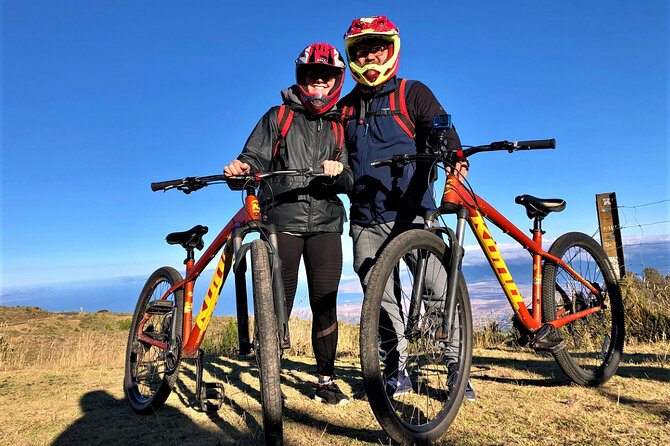
Plan to begin at the meeting point in Haiku: 810 Haiku Rd, Haiku, HI 96708. The tour starts at 9:30 am, and it runs about 5 hours on average.
A key detail: there’s no hotel pickup. But transportation from the provider’s base to the national park start area is included. So if you’re staying far from Haiku, you’ll want to budget for getting yourself there. The upside is that you’re not locked into waiting around at multiple hotels.
Also, this runs in English, with a mobile ticket. That’s handy if you don’t want printed vouchers—just keep your phone charged.
The park-side launch: 6,500 ft start and the downhill mindset
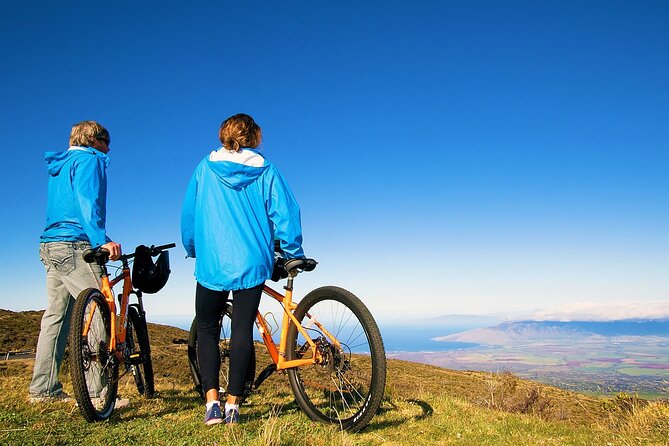
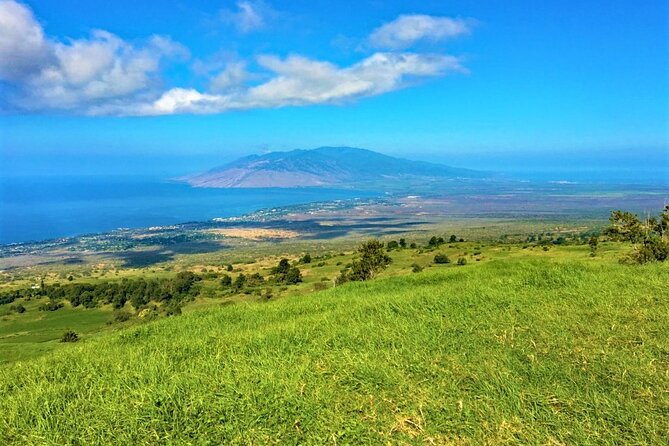
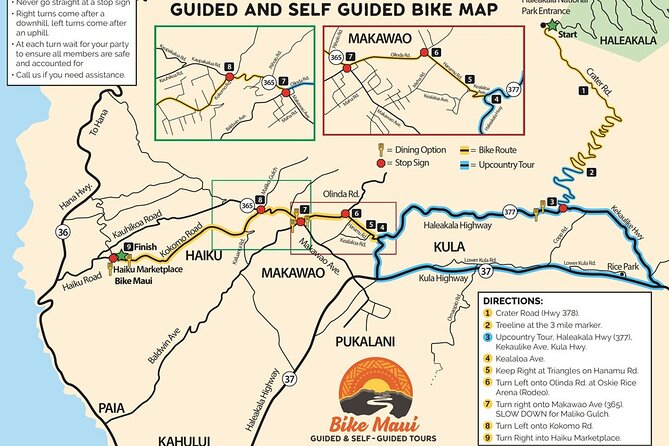
You begin the cycling portion from roughly the 6,500-ft level just outside the national park entrance. From that point, you’ll bike about 15 miles to where you meet the shuttle.
That 15-mile stretch is where the “Haleakala Express” reputation comes from. The experience is geared toward riders who want speed, switchbacks, and wide-open volcanic views—more thrill than leisurely scenic cruising.
Two practical points:
- Bring your mindset as a rider. This is not a slow putt through town traffic.
- Follow the braking and safety guidance closely. Several riders mentioned the importance of how you control the bike downhill, not just that you have brakes.
Upcountry Maui by bike and shuttle: Makawao first, then Haiku
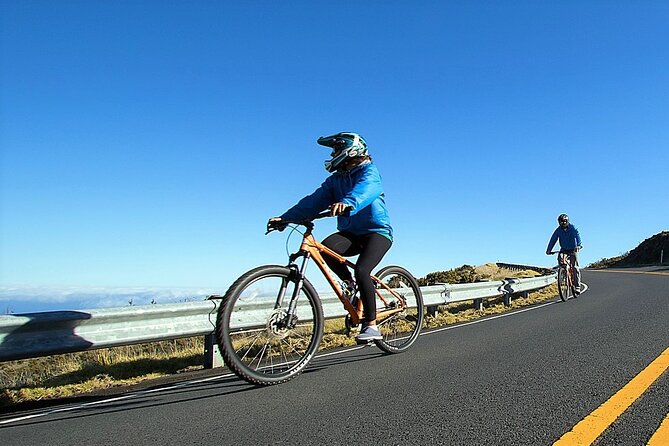
After the initial ride segment, the tour shifts gears. You’ll meet up with the shuttle and continue through Upcountry Maui, including cycling through Makawao.
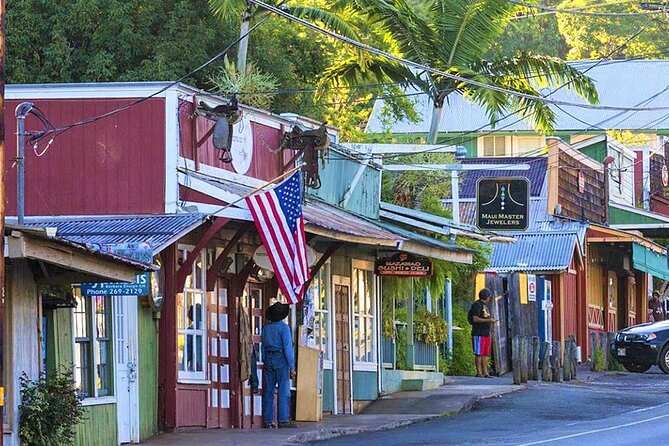
Makawao is often the part people talk about after the crater excitement fades. It’s the town stop that gives your day texture: you get a break from the volcanic scale and back into something human-sized—shops, local vibes, and a more village feel than the resort coasts.
From there, you bike back toward Haiku. Time also includes a no-host lunch option in either Makawao or Haiku, depending on how the schedule runs that day.
And yes, you’ll be doing this with a “self-guided” label—but with the kind of built-in structure that helps you avoid getting lost. The tour sets you up with instructions, and the day is organized around check-in and ride handoffs.
Gear that makes the ride easier (and why you’ll care)
Bike Maui AND Haleakala EcoTours provide some of the key stuff that makes a downhill day more comfortable, especially at altitude where wind can cut right through.
Included gear:
- Helly Hansen windbreaker top and bottom
- Bell helmet
- Custom Kona mountain bike
- Da Kine backpack
- Air-conditioned vehicle for the transfers
The windbreaker is the big comfort win for me. Even if it looks fine at sea level, Haleakala conditions can feel colder and windier. Wearing the provided layers means you’re not gambling with what you packed.
Equipment quality also shows up in the feedback. People liked that the bikes felt ready to ride and that the braking setup inspires confidence downhill. (If you’re picky about bike control, this is worth paying attention to.)
What’s not included:
- Water and snacks are on you
That’s not a small note. Downhill still burns energy, especially if you’re focused and bracing your body for control. Bring enough water for your comfort level.
You can also read our reviews of more guided tours in Maui


Who should choose this tour (and who should skip it)
This is best for you if:
- You have recent biking experience
- You can handle a moderate physical fitness level
- You’re comfortable with downhill control and using the brakes confidently
- You want the thrill of Haleakala without turning your day into a full endurance saga
It’s not for you if you want:
- A long, uninterrupted, full-length crater-to-coast bike ride with no route alterations
- A super gentle pace
- A ride that’s primarily flat and slow
There are clear rider minimums too: minimum age 15, and minimum height 4’10”.
Price and value: is $146.25 a fair deal?
At $146.25 per person, this sits in the “experiential day” bracket. The best way to judge value is to compare what’s included versus what you’d otherwise have to organize yourself.
You’re getting:
- A high-altitude bike start near Haleakala
- Provided safety gear (helmet) and weather gear (windbreaker)
- A real bike setup (custom Kona mountain bike)
- Transfers by air-conditioned vehicle
- A route that includes Upcountry Maui town time and a lunch option (no-host)
For a lot of riders, the payoff isn’t just the bike miles—it’s the combination of downhill excitement with guided local storytelling during the transfer pieces. Guides like Kimo, Dan, Tim, Nico, and Kimi were praised for making the drive and timing feel less like transportation and more like part of the experience.
The one value wobble is that the ride route can be altered by local regulations. If you’re expecting an exact “full version” of the crater ride, you could be disappointed if you get more shuttle/loop segments than you planned for.
Timing, weather, and traffic: the real-world pieces
This tour depends on good weather. If weather cancels it, you’ll be offered a different date or a full refund (so you’re not stuck paying for a bad day).
Beyond weather, there’s the human factor: you’re on roads and meeting points with vehicles and other movements. Some riders mentioned safety stops and strong reminders to pay attention. Also, a couple of people flagged that the driving style on transfer segments wasn’t what they expected.
What you can control:
- Follow the safety directions exactly
- Stay focused on traffic and hand signals
- If you’re not confident downhill, speak up and be honest about it before you roll
Route changes and why you might not get the same ride twice
One theme shows up clearly: local rules can change which streets or middle sections are bike-accessible. That can mean more shuttle segments or shorter ride sections than what some people hoped for.
In practice, that means you should treat the “Express” version as:
- The best available downhill experience within current local restrictions
- A planned route that may include loops or shuttle handling to keep things safe and legal
If you’re the type who wants one fixed, guaranteed, full-length route, read the fine print in your booking details and be flexible about how the day plays out.
Tips to have an easier ride day
A few practical moves can help a lot:
- Bring water and snacks even if lunch is planned. You don’t want to ration.
- Wear shoes that stay secure on pedals during downhill focus.
- Use the provided windbreaker. Altitude wind is real, even when you think it won’t be.
- If you haven’t ridden recently, practice braking and basic control beforehand.
- Don’t treat Makawao like a quick stop. If you like towns, carve out time to walk and look around.
And if you’re worried about route changes: mentally plan for a day where biking is the star, but vehicle support keeps the schedule moving.
Should you book the Haleakala Express self-guided bike tour?
I’d book this if you:
- Want Haleakala downhill energy without planning a complex bike logistics day
- Like the idea of self-guided time but still want strong structure and support
- Enjoy Upcountry Maui towns like Makawao enough to make the day feel more complete than just a crater ride
I’d think twice if you:
- Need a guaranteed, uninterrupted full-length downhill route
- Are looking for a super relaxed ride with minimal safety pacing
- Have little recent biking experience and aren’t ready to handle braking and control on descent
If you match the rider profile—comfortable downhill, recent bike time, and flexibility about how the route may be adjusted—this can be an excellent way to experience Haleakala and Upcountry Maui in one satisfying morning-to-afternoon sweep.
FAQ
Where is the meeting point for the Haleakala Express Self-Guided Bike Tour?
You meet at 810 Haiku Rd, Haiku, HI 96708, USA.
What time does the tour start?
The start time is 9:30 am.
How long is the tour?
The duration is about 5 hours on average.
Is this tour self-guided or guided?
It is a self-guided bike tour. You’ll bike your route parts and use shuttle/vehicle segments as scheduled, with instructions provided.
What is included in the price?
Included items are an air-conditioned vehicle, a Helly Hansen windbreaker top and bottom, a bell helmet, a custom Kona mountain bike, and a Da Kine backpack.
What should I bring since it’s not included?
Bring your own water and snacks.
Do you offer hotel pickup?
No hotel pickup is offered. Transportation from the base of operations to the national park is included.
What are the minimum requirements for riders?
Riders must be at least 15 years old and at least 4’10” tall, and you must have recent biking experience. You should have a moderate physical fitness level.
How many travelers can be on this tour?
The tour has a maximum of 96 travelers.
What happens if weather is poor?
If it’s canceled due to poor weather, you’ll be offered a different date or a full refund.