REVIEW · MAUI
Snorkeling for Non-Swimmers with Photos Guided Tour Wailea Beach
Book on Viator →Operated by My Splash - Sea Scooter Snorkeling Maui · Bookable on Viator
Non-swimmers get real skills here. This Wailea Beach snorkeling lesson is built around calm coaching, solid gear, and a short paddleboard stretch so you can see turtles and fish without feeling rushed.
What I like most is the beginner-first training: you practice mask, snorkel, and fins in shallow water, including floating and breathing. I also love that the guides keep you close and give one-on-one help when nerves hit, with instructors like James, Triston/Tristan, Ryan, and Seth repeatedly praised for patience.
The main thing to consider is that this is outdoors and weather-driven, so if conditions are rough you may get a date change or a full refund. Also, it’s rated for moderate physical fitness, so plan on time in the sand and getting in the water comfortably.
In This Review
- Key highlights worth planning for
- Wailea Beach is set up for first-time snorkeling
- Small group coaching makes the lesson feel personal
- Gear briefing: masks, snorkel, fins, and life jackets
- Shore practice: floating and breathing in shallow water
- Paddleboard stretch: seeing turtles and colorful fish with less stress
- Photo sharing right after the water time
- Price and value: $149 for gear + coaching + wildlife time
- Logistics that matter on Maui: where to meet and how it runs
- Who should book this snorkeling lesson
- Should you book this Wailea non-swimmer snorkeling tour?
- FAQ
- FAQ
- Is this snorkeling tour suitable for non-swimmers?
- What snorkeling gear is included?
- How long is the tour?
- How many people are in the group?
- Where do we meet for the tour?
- Do you practice in shallow water first?
- Do you go out on a paddleboard?
- What language is the tour offered in?
- Are photos shared after the tour?
- What happens if weather is poor?
Key highlights worth planning for
- Small group size (max 12) means more coaching and fewer people to manage in the water
- Full gear provided (mask, snorkel, fins, life jacket) so you’re not guessing what to bring
- Shallow-water comfort drills focus on breathing, floating, and how the equipment works
- Paddleboard viewing helps non-swimmers see more wildlife with less active swimming
- Instant photo sharing is a repeated perk, including AirDrop in some groups
- Guides stay hands-on when someone feels insecure, from adults to kids
Wailea Beach is set up for first-time snorkeling
Wailea Beach is a smart choice for people who want the ocean experience without the usual stress. The tour’s flow is built around that reality: you start with instruction where you can keep your footing and control your breathing. That matters, because snorkeling is mostly about comfort and technique, not athletic ability.
This kind of lesson works especially well when you’re new or anxious, because you’re not thrown straight into open water. You learn what each piece of gear is supposed to do, then you practice in a controlled way. The goal is simple: get your bearings fast, then see the marine life once you’re settled.
You also get a good amount of time on the water for a 1.5-hour experience. It’s long enough to learn something real, but not so long that you lose focus or energy. For many people, that’s what turns snorkeling from a scary idea into a fun memory.
You can also read our reviews of more guided tours in Maui



Small group coaching makes the lesson feel personal
The tour caps at 12 travelers, and that turns into more than a number on a page. In a small group, instructors can watch how you’re breathing, how your mask sits, and whether your fins are helping or just annoying. That’s where the difference shows up for non-swimmers and kids.
Across the guides named in participant feedback, one theme stays consistent: they slow down for nervous people and still keep the rest of the group moving. You’ll hear this reflected in stories about guides like James, Triston/Tristan, Ryan, Seth, and Sarah working with everyone at their own comfort level. One parent even noted that when a child got scared once they were out, the crew kept the child safe and occupied while others snorkeled from the board.
If you’re the type who wants reassurance and clear steps, small groups are a big win. If you’re hoping for a fully hands-off adventure, this tour is more guided than that, in a good way.
Gear briefing: masks, snorkel, fins, and life jackets
You don’t just get handed a snorkel and told to go. You’ll be coached on how the mask, snorkel, and fins work together. That includes learning what to do with your face position, how to breathe through the snorkel, and how fins change the feel of movement.
The life jacket is part of the setup too. It’s not there to replace the skills you’ll practice; it’s there to reduce pressure while you learn. That’s especially important for non-swimmers. Instead of thinking about staying afloat, you can focus on the mechanics: calm breathing, relaxed body position, and gentle kicking.
This kind of gear orientation also helps you avoid the most common beginner mistakes—over-gripping the gear, holding your breath, or lifting your head too much and losing the snorkel seal. When you understand how it’s supposed to work, the ocean stops feeling like a test.
Shore practice: floating and breathing in shallow water
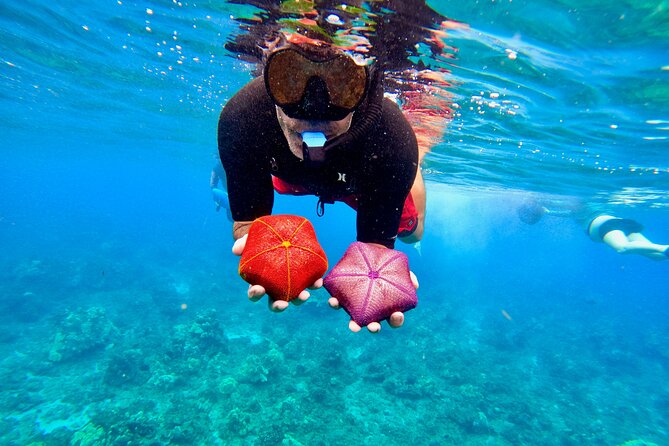
The most valuable part for beginners is the time you spend in shallow water to get comfortable. Here’s what you should expect: practice floating, practice breathing through the snorkel, and learn how to move (and pause) without panic.
This is where many first-timers realize snorkeling isn’t about swimming fast. It’s more about keeping your body stable and letting the gear do the work. If you can breathe calmly and keep your face in the right position, you can snorkel.
In the feedback you provided, guides are repeatedly praised for being patient and never rushing people. In at least one case, instructors helped a first-time adult overcome fears about being in open water after the shore portion. Another family described one-on-one support that helped a nervous snorkeler relax enough to enjoy the reef.
If you’re bringing a child, this shore practice is even more critical. It gives kids a chance to build confidence while they still have the safety of shallow depth and close instruction.
Paddleboard stretch: seeing turtles and colorful fish with less stress
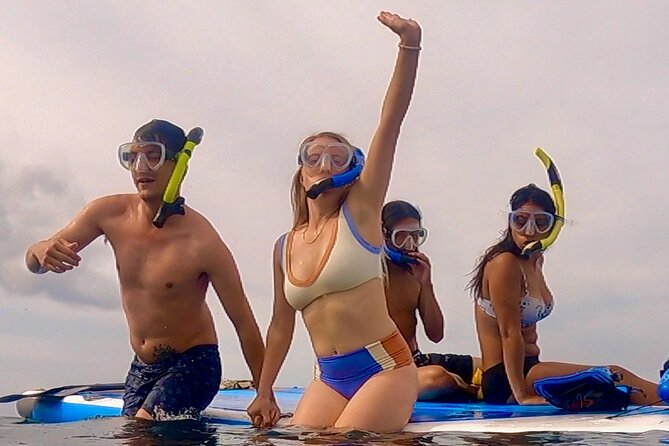
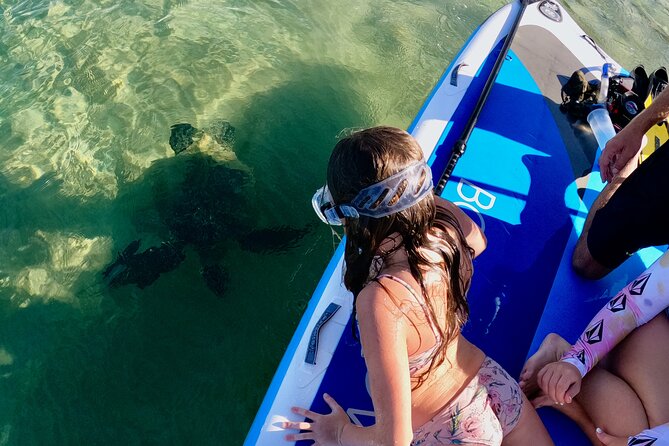
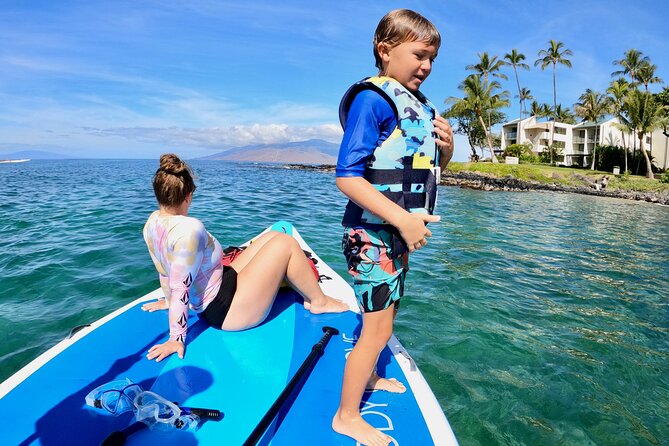
After the shallow-water practice, you head out on a paddleboard. This part is key for non-swimmers because it reduces the amount of “figure it out in the water” time. You’re still in the ocean, but you’re not starting from zero.
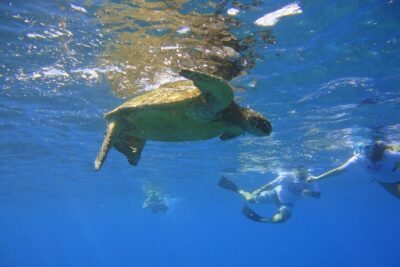
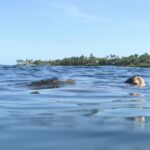
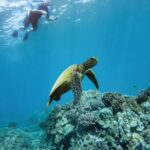
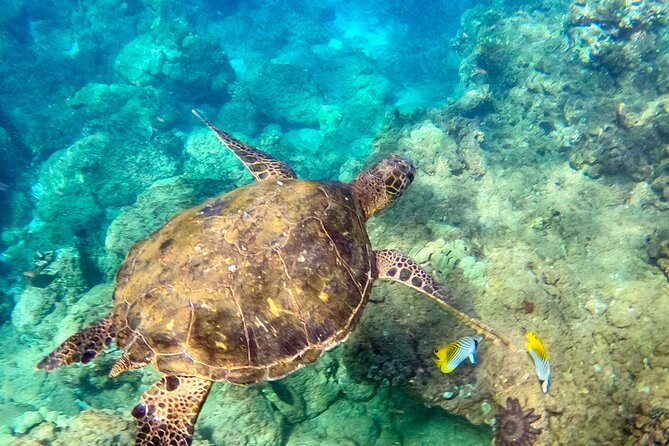
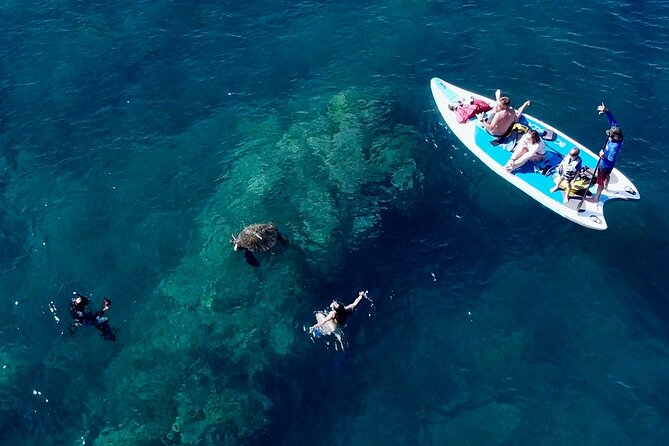
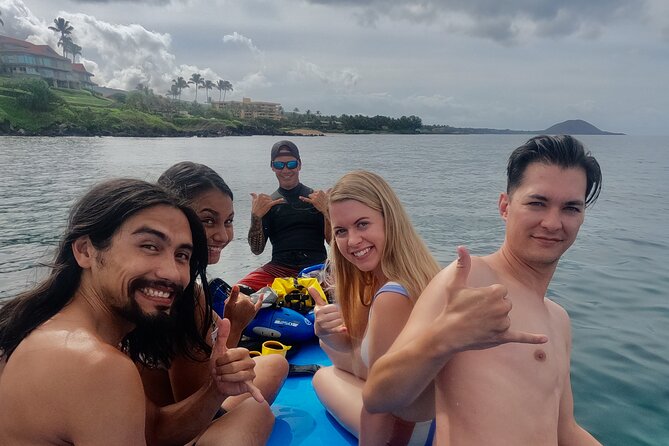
That paddleboard segment is where wildlife usually takes center stage. You’ll have the chance to see colorful fish and turtles, and many participants highlighted multiple sea turtles up close. Some stories also mention coral and the feeling of the underwater world being calm and peaceful once you’re properly set up.
One practical benefit of the board approach: you can take breaks without the mental fatigue of constant swimming. For anxious swimmers, being able to regroup quickly is huge. For families, it keeps the experience from turning into a long stress session where everyone’s counting down the minutes.
Just keep in mind the ocean still has its own mood. Even on calm days, you’re dealing with water movement, so the earlier breathing and floating practice directly affects how comfortable you’ll feel here.
You can also read our reviews of more snorkeling tours in Maui

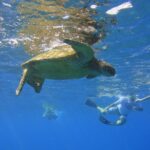
Photo sharing right after the water time
A strong, modern perk here is photo sharing. Multiple participants describe guides taking photos during the tour and sending them immediately afterward—one group even mentioned AirDrop.
Why does this matter? If you’re snorkeling for the first time, you’re often busy learning. You might not notice exactly what you’re seeing until later. Photos let you relive the moment when you were focused on breathing and equipment. They also help you show family back home that you actually did it.
Also, if you’re traveling with kids, photos reduce the chance that the best part becomes just a blur of nervous laughter and gear adjustments. You’ll have something to show for the effort.
Price and value: $149 for gear + coaching + wildlife time
At $149 per person for about 1 hour 30 minutes, this isn’t the cheapest ocean activity in Maui. But it’s priced like a lesson, not a casual float.
You’re paying for several concrete things:
- Quality snorkeling gear (mask, snorkel, fins, life jacket)
- Instructor time dedicated to beginners and non-swimmers
- Shallow-water training before you go out
- A short paddleboard portion so you can see more with less swimming pressure
- Photo sharing after the experience
For many first-timers, those pieces are what make the experience feel “worth it.” If you tried to do snorkeling on your own, the learning curve could cost you hours—or confidence. Here, the coaching tries to compress the learning time into a safe, manageable session.
Value also comes from group size. With a maximum of 12, you’re more likely to get attention rather than just being part of a crowd.
Logistics that matter on Maui: where to meet and how it runs
Meet at 3894 Wailea Alanui Dr, Kihei, HI 96753. The tour ends back at the same meeting point, which is convenient if you’re building your day around reservations or a lunch spot.
The tour uses a mobile ticket, and it’s offered in English. In practice, that means you’ll be able to follow instruction clearly during the gear briefing and water practice.
Duration is about 1 hour 30 minutes, so plan to treat it as a real activity, not something to squeeze in between long drives. If you’re sensitive to travel delays, it helps to arrive early so you can get your gear sorted without stress.
Also, the tour requires good weather. If conditions aren’t right, you may be offered another date or a full refund—so don’t lock yourself into a tight schedule without buffer.
Who should book this snorkeling lesson
This tour fits best if you check one or more boxes below:
- You’re a non-swimmer or a hesitant first-timer who wants structured coaching
- You’re bringing kids who need patience and a controlled learning pace
- You want a guided way to see turtles and fish without doing a full-on fitness challenge
- You like clear instruction and hands-on support if you feel insecure
It also works well for mixed groups. One feedback story describes couples where one person was an experienced swimmer but new to snorkeling, while the other could not swim at all. The guide adapted attention so both people had a good experience.
Fitness-wise, the tour asks for moderate physical fitness, so you should be comfortable walking on sand, wearing gear, and moving carefully in shallow water. If you’re recovering from an injury or dealing with major mobility limits, you’ll want to gauge whether you can manage the water entry and the practice portion comfortably.
Should you book this Wailea non-swimmer snorkeling tour?
If you’re worried about learning snorkeling in open water, I’d say yes—this tour is designed to reduce that fear through step-by-step practice. The strongest selling point is the beginner-first structure: gear briefing, shallow-water confidence building, then a paddleboard portion that helps you see marine life with less pressure.
I’d hesitate only if you’re expecting a long, independent snorkeling adventure where you do everything on your own, or if you’re traveling during a time when weather disruptions are very likely and your schedule is too tight for a change.
If you want the ocean highlight of Maui while staying safe and learning the basics the right way, this is a smart bet for first-timers.
FAQ
FAQ
Is this snorkeling tour suitable for non-swimmers?
Yes. The experience is specifically described as beginner-friendly for non-swimmers and first-time snorkelers, with shallow-water practice before going out.
What snorkeling gear is included?
The tour includes masks, snorkels, fins, and life jackets.
How long is the tour?
It runs for about 1 hour 30 minutes.
How many people are in the group?
The group size is limited to a maximum of 12 travelers.
Where do we meet for the tour?
Meet at 3894 Wailea Alanui Dr, Kihei, HI 96753, USA. The tour also ends back at the meeting point.
Do you practice in shallow water first?
Yes. You’ll spend time in shallow water to get comfortable with the gear and learn water safety, including floating and breathing practice.
Do you go out on a paddleboard?
After the shallow-water practice, you’ll go out on a paddleboard to see underwater life like fish and turtles.
What language is the tour offered in?
The tour is offered in English.
Are photos shared after the tour?
Many participants report that the guides take photos during the experience and share them immediately afterward, including AirDrop for some groups.
What happens if weather is poor?
The tour requires good weather. If it’s canceled due to poor weather, you’ll be offered a different date or a full refund.