REVIEW · MAUI
Best Haleakala Downhill Self-Guided Bike Tour with Maui Sunriders
Book on Viator →Operated by Maui Sunriders Bike Co. · Bookable on Viator
That first downhill feeling starts fast. This self-guided Haleakalā bike tour gets you off on the upper switchbacks from about 6,500 ft and then lets you set your own pace. I like that you’re not boxed into a rigid group rhythm—you can pause for views, snacks, and town stops as you roll downhill.
What surprised me most is how dialed-in the bikes and staff feel. You get a mountain bike with front suspension and disc brakes, plus gear like a wind/rain jacket, pants, gloves, and a helmet (full-face for maximum protection, regular for advanced riders). When guides like Remy and Dane are in the mix, you’ll also get clear route talk and Maui context while you’re gearing up.
One thing to keep your expectations realistic: this ride is split into two segments with van shuttles between, so it’s not nonstop biking all the way from the summit. If road work is happening, you may spend more time in transition than you hoped, and Kula is viewed from the route rather than biking through it.
In This Review
- Key things I’d circle before you book
- The Haleakalā downhill setup: what self-guided really means
- From Paia to the 6,500 ft staging zone: your morning plan
- Stop 1: Haleakalā (6,500 ft) and the upper switchbacks
- Stop 2: Kula from the shuttle (not by bike)
- Stop 3: Makawao pause for paniolo country + lunch time
- Stop 4: Finish in Paia and turn the day into an easy North Shore outing
- The bikes, safety gear, and the staff that make it feel “managed”
- How much actual biking time should you expect?
- Who this tour is best for (and who should reconsider)
- Weather, clothing, and the small things that prevent misery
- Price and value: is $139 worth it?
- Should you book Maui Sunriders’ Haleakalā downhill?
- FAQ
- How long is the Haleakalā downhill self-guided bike tour?
- What time does the tour start?
- Where do I meet, and where do I end?
- Is this tour self-guided or fully guided?
- What bike and safety gear are included?
- What if the weather is bad?
- Is there a rider weight limit?
Key things I’d circle before you book
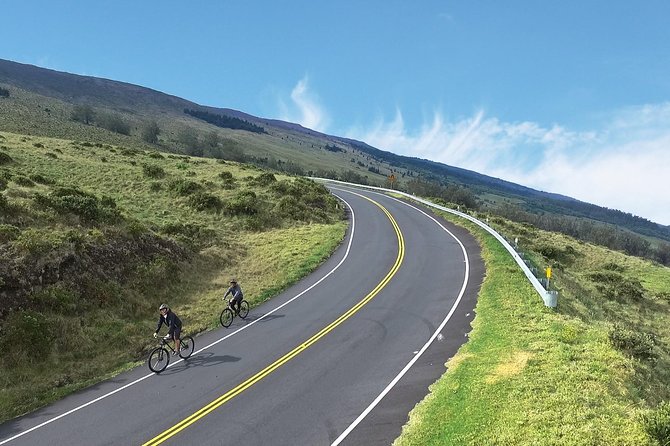
- Starts at the 6,500 ft staging zone so you get immediate downhill momentum.
- Self-guided pacing with a route map so you can move at your speed and stop when you want.
- Daily-tuned bikes and roadside assistance that keep the safety side tight.
- Stops for real-town time in Makawao and Paia, not just a quick scenic photo break.
- Helmet and weather gear included, including jackets, gloves, and bike-friendly pants.
The Haleakalā downhill setup: what self-guided really means
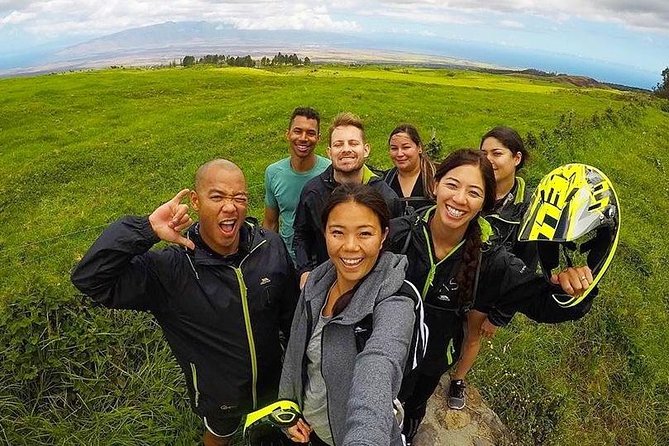
This tour is built for people who want the thrill of bombing downhill without the stress of riding shoulder-to-shoulder with a stranger group. You’ll be given the route info and map, and then you ride at your pace. That’s a big deal on Haleakalā, because the road grade, corners, and wind can make you want to slow down for photos or speed up when you feel good.
You also get roadside help. That matters because the whole point is to enjoy the descent, not to worry about what happens if you hit a flat or get stuck. The bikes are not “grab-and-go.” They’re tuned daily by in-house mechanics, with front suspension and disc brakes—exactly what you want when the downhill is steep and you need real stopping power.
One more small but important detail: this is a structured self-guided day, not a free-for-all. You’ll have van shuttles between sections, and you’ll follow the flow of the day. So you can choose how you ride, but you can’t always choose exactly how much downhill you get, depending on conditions and rules.
You can also read our reviews of more cycling tours in Maui

From Paia to the 6,500 ft staging zone: your morning plan
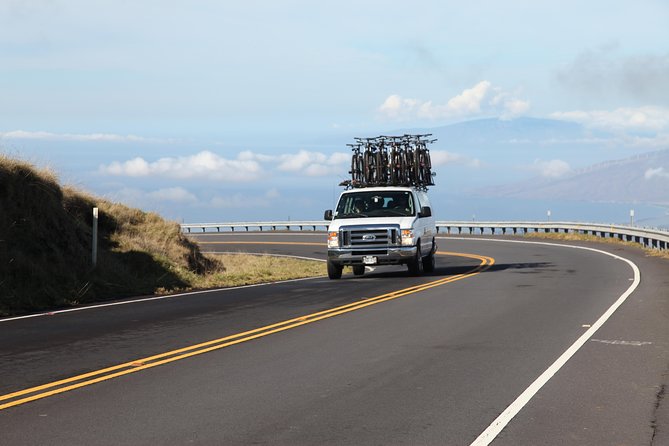
You meet at Maui Sunriders Bike Co in Paia (71 Baldwin Ave, Suite D3) and the start time is 8:45 am. The day is timed so you’re ready to roll down while visibility and temperatures are still decent. If you’re staying in Kihei, Wailea, Lahaina, or central Maui, plan on some extra buffer getting to Paia by morning—Paia is casual, and parking can be tight.
Parking in front of the shop is about a $15 credit card-only option, and there’s free public parking in a Paia lot nearby. It’s also near public transportation, so if you’re already moving around without a rental car, this stop is workable.
The total experience is about 4 to 5 hours, and the max group size is 30. That size tends to keep the staff responsive, and it also means the shuttles and gear handoffs don’t drag.
Stop 1: Haleakalā (6,500 ft) and the upper switchbacks
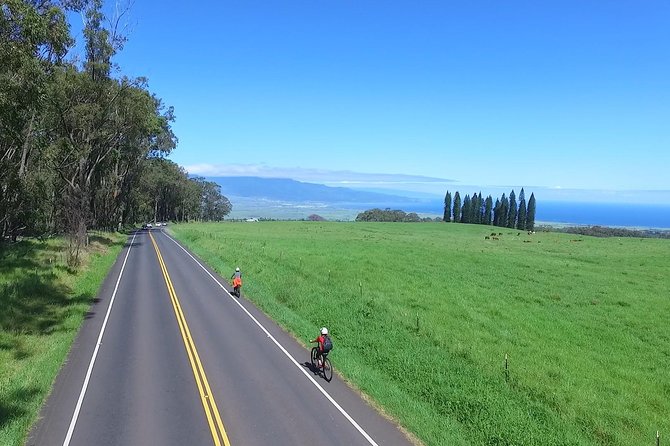
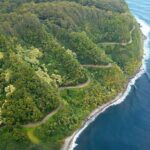
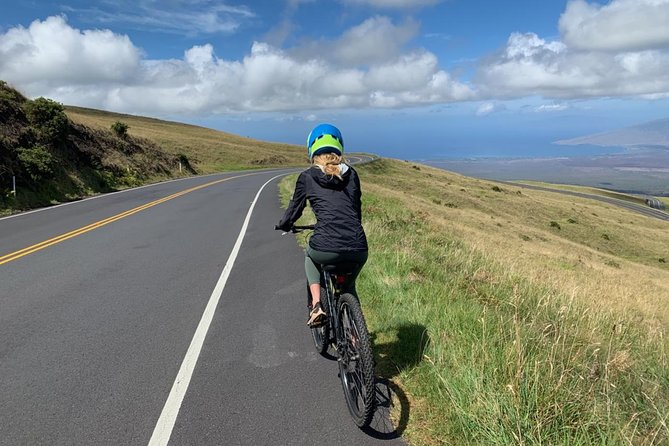
Your first big moment is the staging area around 6,500 feet, which is where Maui bike operators begin their rides. From here you start on the upper switchbacks on Haleakalā Volcano. This is where the “wow” kicks in: wide views, a big change in terrain as you begin descending, and that “I’m really doing this” feeling that makes people grin even if they were nervous at check-in.
You’ll roll self-guided, so you can take a slower line into corners or coast longer without feeling like you’re holding someone up. In practical terms, this segment is where the skills matter most: steering smoothly and using your brakes early instead of late. Full-face helmets are available, and you’ll want to consider them if you’re risk-averse or you’re biking for the first time.
A key expectation check: this tour doesn’t promise a straight shot from the very top to the very bottom on your bike. It’s focused on downhill riding across the volcano’s upper and lower segments, with the van handling the in-between.
Stop 2: Kula from the shuttle (not by bike)
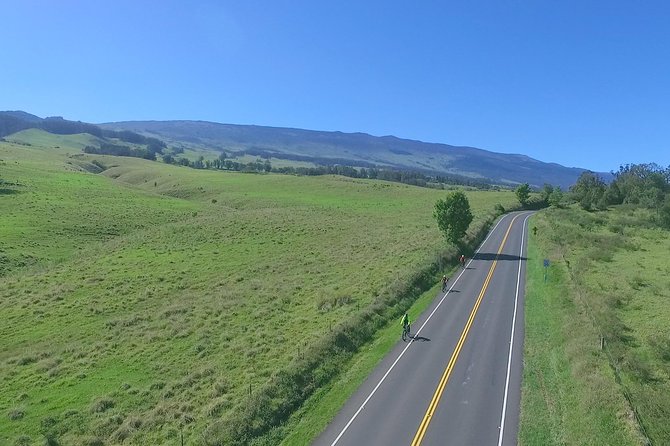
After the first ride segment, you’ll get a break and be shuttled while you transition. One of the scheduled moments is Kula, a community around 3,200 feet on the western slopes of Haleakalā.
Here’s the trade-off: Kula is part of your day, but you won’t bike through it. You’ll see it as you’re transferred along the route. If you were hoping for nonstop downhill time, this is where you might notice the “self-guided but segmented” reality.
Why it’s still worth it: Kula is a nice visual palate cleanser between the steep riding and the towns ahead. It also means staff can keep the bike routing clean and safe without trying to jam everyone through areas where local conditions and rules affect bike access.
Stop 3: Makawao pause for paniolo country + lunch time
Next up is Makawao, in paniolo (Hawaiian cowboy) country on the slopes of Haleakalā. This stop is about more than a snack. It’s one of the best ways to turn the ride into an actual Maui experience rather than just a vertical thrill.
Makawao has that rustic town feel, and it’s also known as a flourishing arts area. You can browse shops and galleries, and you can stop for lunch at your own pace. Since the tour is self-guided, this is one of the moments where you really get to control your day—eat, walk around, pick up small gifts, or just soak up the change in scenery.
There’s also a practical upside: this is where your legs and brain catch up. If you’ve been coasting and bracing through corners, you’ll appreciate the decompression. If you’re feeling confident, you can also use this stop to mentally gear up for the next downhill segment.
You can also read our reviews of more guided tours in Maui




Stop 4: Finish in Paia and turn the day into an easy North Shore outing
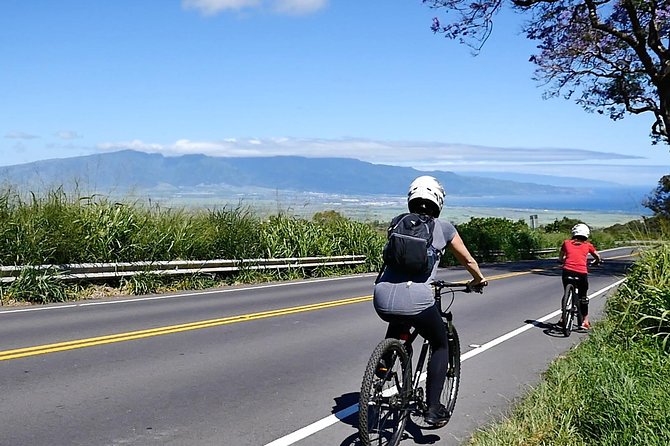
You end back at the bike shop in downtown Paia, where you return your bike and can check out the retail shop. Paia is one of Maui’s most relaxed North Shore towns, and it’s a great way to stretch the day beyond the ride itself.
This is where you can plug into normal vacation life: casual shopping, art galleries, specialty stores, and beachwear. There are plenty of meal options too, from quick bites to places you’ll want to plan for if you’re aiming high.
Even if you just grab something simple, I like finishing in Paia because it keeps the day from feeling rushed. You’re not stuck with a complicated end-of-tour scramble. You’re just in a lively, walkable town with food and beach energy.
The bikes, safety gear, and the staff that make it feel “managed”
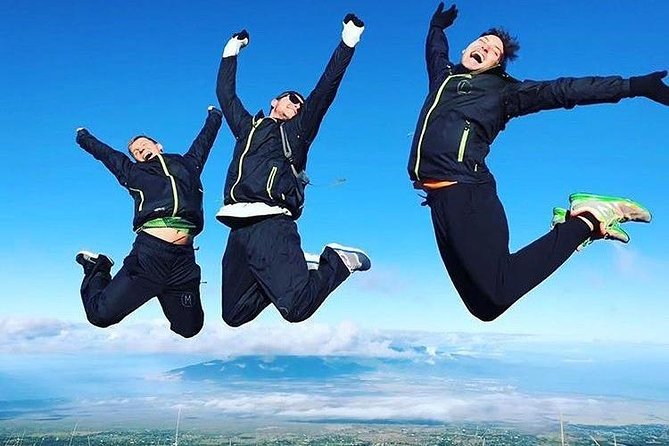
Maui Sunriders stands out on the practical side: bikes are tuned every day by in-house mechanics, and you’re riding a mountain bike with front suspension and disc brakes designed for steep descents.
You also get weather protection and comfort items:
- wind/rain jacket
- pants
- bike gloves
- helmet (full-face for maximum protection, or regular helmets for advanced riders)
- a backpack with bike lock and a route map
A backpack and lock are not glamorous, but they’re the difference between riding and constantly worrying where to put your stuff. The route map also reduces stress—self-guided works best when you feel oriented.
The staff approach shows up in reviews by name. People often call out guides like Ron, Roy, Johnny, Ron’s-style support, and Remy and Dane for friendly instruction and route info. That’s exactly what you want in a steep environment: someone who can keep things calm and clear.
How much actual biking time should you expect?
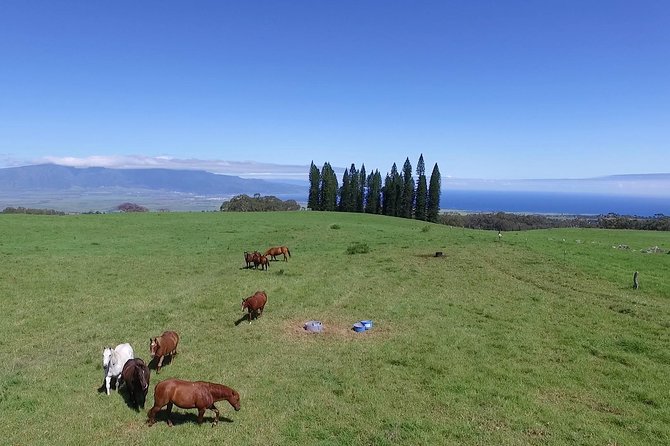
You should plan for a fun bike day, but not for a single continuous ride from top to bottom. This is an upper-and-lower approach, with van shuttles between segments.
Some riders describe it as mostly downhill with coasting and steering, plus short uphill pushes. Others note that if road work is happening, the ride can include detours around equipment and you might lose some time. This isn’t totally in your control, but it’s why I’d go in with the attitude of: enjoy the segments you get, and treat town stops as part of the experience, not a tax.
If you’re the type who really needs maximum bike minutes, ask the operator ahead of time how they’re handling any current road work or access restrictions. That one question can save you disappointment.
Who this tour is best for (and who should reconsider)
This tour is a good match for most people because you can ride at your own pace, and the bike setup includes safety-first features like disc brakes and helmets. The operator also notes a recommended maximum rider weight of 300 lbs based on bike manufacturer guidance, so keep that in mind.
Consider this tour if you:
- want a self-guided downhill experience with clear structure
- like the idea of stopping in real towns (Makawao and Paia)
- want included gear so you don’t overpack
- prefer staff support and roadside help over DIY biking
You may want to reconsider if you:
- expected a nonstop, all-the-way-to-the-bottom summit-to-sea ride on your bike
- are very sensitive to van time
- are trying to optimize for “most minutes on the bike” over “best overall experience”
Weather, clothing, and the small things that prevent misery
Haleakalā mornings can be cooler than you expect, especially when you’re starting higher up. Reviews repeatedly point out simple advice like taking a jacket for morning rides and considering gloves. Even though you get a wind/rain jacket and gloves included, I still treat this day like a “dress for chill, not heat” morning.
Bring water and expect a bit of wind. Even when the sun is out, riding downhill changes how you feel—your body is warm from movement, but the breeze can cool you fast.
Also, pay attention to helmet fit. If a helmet feels off, fix it at the shop level before you start rolling. The staff will help during setup, and getting it right makes riding feel safer and easier.
Price and value: is $139 worth it?
At $139 per person for a 4 to 5 hour half-day, the value depends on what you want from Maui. If you’re looking for a premium-feeling bike day with gear included, tuned bikes, route help, and roadside support, the price makes more sense.
What you’re paying for:
- mountain bikes with suspension + disc brakes tuned daily
- included helmet and weather/riding clothing
- a structured self-guided route with town time
- in-house mechanics and roadside assistance
- van drive-up to the 6,500 ft staging zone and transitions
What you’re not paying for:
- any additional meals, shopping, or local attractions
- parking beyond the shop credit option (free public lot nearby)
My rule of thumb: if you’ll actually use the included time to enjoy Makawao and end in Paia for food and shopping, then the cost feels fair. If you only care about nonstop riding minutes, the segmented format could make it feel steep.
Should you book Maui Sunriders’ Haleakalā downhill?
Yes, if you want a self-guided downhill with real support and real stops. The combination of pro-tuned bikes, included safety gear, and a payoff end in Paia makes it easy to turn into a full North Shore day.
Think twice if your top priority is maximum bike time. This isn’t a single uninterrupted descent, and conditions like road work can affect how much riding you get between shuttles.
If you’re on the fence, I’d book this kind of tour anyway—then go in with the right mindset. Treat it as a structured downhill adventure plus Maui town time. That’s where the experience earns its near-perfect ratings and why people keep saying they’d do it again.
FAQ
How long is the Haleakalā downhill self-guided bike tour?
It runs about 4 to 5 hours (approx.).
What time does the tour start?
Start time is 8:45 am.
Where do I meet, and where do I end?
You meet at Maui Sunriders Bike Co, 71 Baldwin Ave Suite D3, Paia, HI 96779, USA. The tour ends back at the meeting point.
Is this tour self-guided or fully guided?
It’s self-guided. You set your own pace, but there’s a guided drive up to 6,500 ft and roadside assistance for your safety.
What bike and safety gear are included?
You get a mountain bike with front suspension and disc brakes (tuned daily). You also receive a helmet, a wind/rain jacket, pants, bike gloves, and a Dakine backpack with a bike lock and route map.
What if the weather is bad?
This experience requires good weather. If it’s canceled due to poor weather, you’ll be offered a different date or a full refund.
Is there a rider weight limit?
The bike manufacturer’s recommended maximum weight is 300 lbs.