REVIEW · MAUI
Marine Biologist Guided Snorkel Tour from Shore at Turtle Town
Book on Viator →Operated by Paul Sandlin · Bookable on Viator
Turtles show up fast—if you’re ready. This shore-based snorkeling tour from Olowalu turns a simple swim into a taught experience, led by marine biologist Paul Sandlin (and sometimes other guides in the same spirit). I like that you get instruction on snorkel basics before you’re sent toward the reef, and I love that you don’t need a boat ride to see Maui’s marine life.
One thing to consider: this isn’t for non-swimmers. Even with flotation and a shallow first step-in, you still need basic swimming skills and you’ll be out on open water.
In This Review
- Key points to know before you go
- Where this tour fits best in a Maui day
- Price and value: what $119 buys you here
- Meeting in Olowalu: easy to find, easy to start
- Snorkel 101 on the sand: why the lesson matters
- Entering the water: shallow start first, then the reef
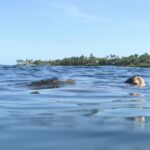
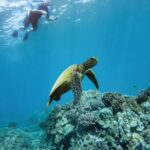
- Turtle time: how you’ll actually spot them
- Photos and reef chat: leaving with more than just a memory
- Gear and comfort details that actually matter
- Weather reality check: when the ocean won’t cooperate
- Who this tour is for (and who should skip it)
- Should you book Marine Biologist Guided Snorkel from Shore at Turtle Town?
- FAQ
- Do I need to bring my own snorkel gear?
- How long is the tour?
- Where do we meet?
- Is the tour suitable for beginners?
- Do I have to be able to swim?
- What if the weather is bad?
Key points to know before you go
- Small group size (max 8): easier pacing, more checking that your gear fits right, and fewer crowd distractions.
- Marine biologist-led coaching: snorkel safety and reef facts are part of the experience, not an afterthought.
- From shore, not a boat: you start in a simple, easy-to-find meeting area in Olowalu and go straight into the water.
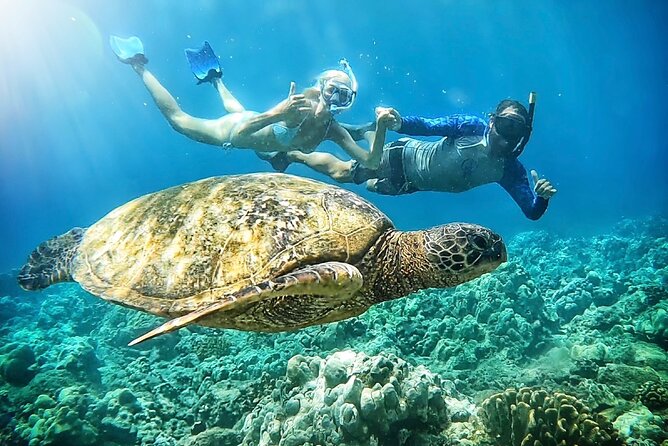
- Turtle chances: you’re aiming for green sea turtles and coral-rich reef life, and the turtle cleaning-station area can be a highlight.
- Included photos + photo stops: Go-pro style underwater images are provided as part of the tour keepsakes.
- Clean, sanitized gear: multiple guides mention gear quality and sanitation, which matters a lot when you’re getting into the water.
Where this tour fits best in a Maui day
If you’re picturing Maui snorkeling as a busy boat day, this is the counterpoint. You meet centrally in Olowalu and then it’s straight to the beach. That matters because you save time, you avoid a ride that can make some people seasick, and you keep the whole morning more predictable.
The timing is built for a classic first-water slot: the tour starts at 8:00 am and runs about 2 hours. You end back at the meeting point, so it’s easy to stack with breakfast, beach time, or an afternoon activity without feeling like you’re dedicating your whole day to getting to and from the water.
The small group cap of 8 travelers also changes the feel. You’re not fighting for space in a crowded lineup. You can actually hear your guide, adjust gear without rushing, and ask questions without feeling like you’re holding everyone up.
You can also read our reviews of more guided tours in Maui



Price and value: what $119 buys you here
At $119 per person, you’re paying for three things that add up to more than a basic snorkel rental.
First, you get a true guide. This isn’t just someone pointing out fish. The lead guide is a marine biologist (Paul Sandlin), and the coaching shows in the way people describe feeling safe and ready—especially beginners and families.
Second, you get equipment and “start-to-finish” setup included. The tour provides snorkel gear, flotation, and even reef-safe sunscreen. Clean, sanitized gear is also explicitly mentioned. That’s a practical win: you don’t have to worry whether rental gear from somewhere else will fit well or feel gross.
Third, you get photos as part of the deal. Multiple people call out included underwater photos/videos, which turns the trip into an actual souvenir—not just memories in your camera roll that you may not even catch yourself during.
If you’re deciding between a cheaper do-it-yourself snorkel rental and a guided experience, the value here is the reduction in stress. You’ll spend less time figuring out where to go and more time looking at turtles and coral the right way.
Meeting in Olowalu: easy to find, easy to start
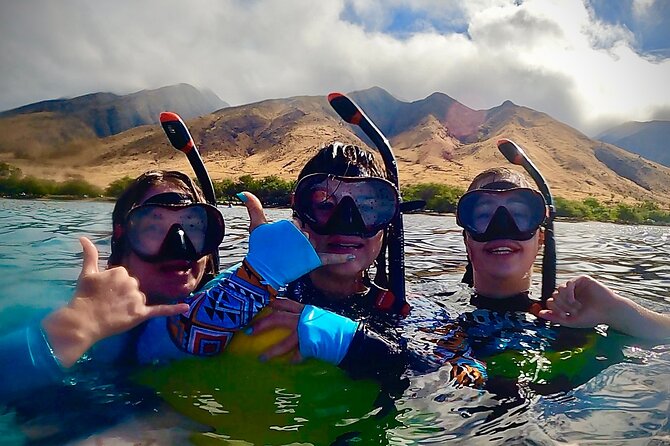
You’ll meet at an Olowalu spot marked by RC32+RX Olowalu (HI). It’s described as very easy to find, which is a big deal on vacation. You want the logistics to be boring so the water can be the interesting part.
Before getting wet, you’ll do a quick tour intro and get your gear. Then you get on the beach for a snorkel “101” talk. That order matters: you learn how to wear and use the mask and snorkel calmly before you’re trying to coordinate breathing while floating in the ocean.
Snorkel 101 on the sand: why the lesson matters
The beach tutorial is one of the most praised parts of the experience. Guides take time to teach basics like mask fit, breathing technique, and simple safety habits so you aren’t guessing once you’re in the water.
This is also where you’ll understand the plan for the day: where you’ll enter, how you’ll move as a group, and what to do if you feel tired or off-balance. In the feedback you provided, people repeatedly mention feeling confident because the guide checks gear fit and stays attentive during the session.
And if you’re nervous, this instruction-first approach is gold. One of the consistent themes is that beginners—and even people who are uneasy about open water—feel guided and supported. That doesn’t mean you should ignore your comfort level. It does mean the tour is built to help you get comfortable in manageable steps.
Entering the water: shallow start first, then the reef
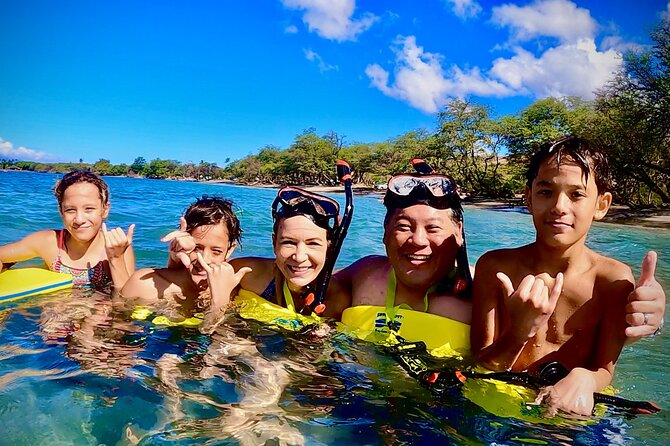
After the tutorial, you enter at a shallow sandy area where you can still stand. This is the practical “warm-up” moment. It helps you test your gear, practice breathing, and get your footing before you move farther out.
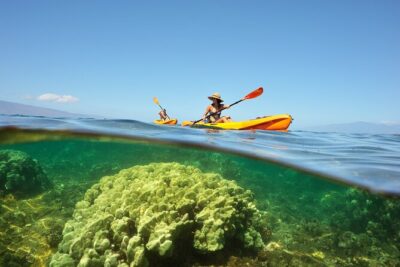
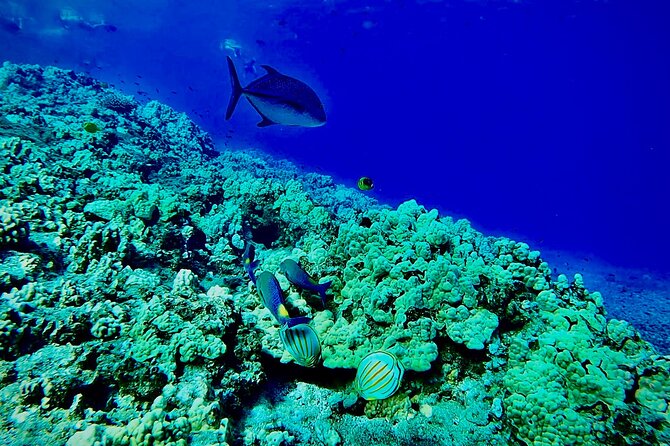
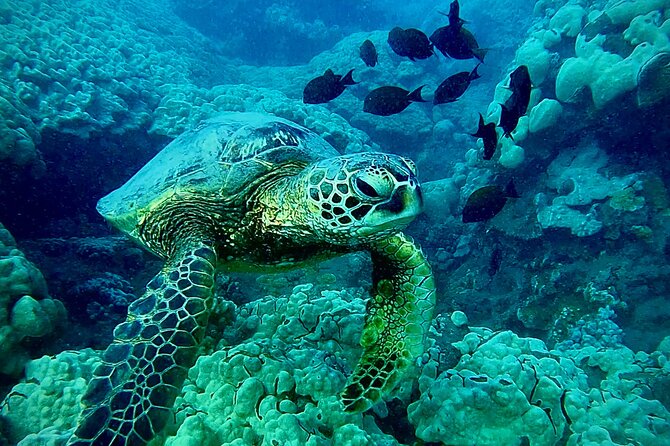
Once everyone is comfortable, you head toward the reef. The tour is aimed at green sea turtles, fish, and coral on Maui’s oldest reef. That wording matters because it signals the goal: not just a random swim, but a real reef encounter.
Expect that you’ll be swimming beyond the immediate shoreline. One account notes a swim out around 400 meters / about 500 yards to reach the turtle cleaning-station area. Your guide supports tired swimmers with flotation gear, and in some cases offers extra help, but basic swimming ability is still required.


Turtle time: how you’ll actually spot them
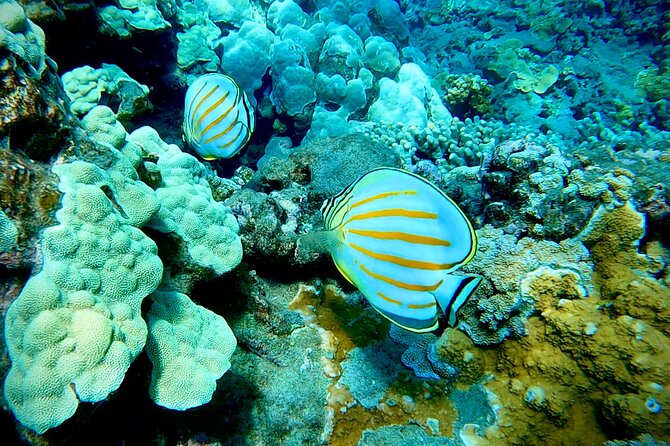
Let’s be honest: turtles are the headline. And multiple descriptions tie the best moments to seeing them up close while also being able to watch fish and coral.
Here’s what to know so you can enjoy it more:
- You’ll be taught where to look and how to move steadily so you don’t kick up sediment or scare life away.
- Your guide keeps an eye on the group, so you’re not constantly monitoring everyone in your own panic-brain.
- The pace is intentional. In several stories, turtles weren’t a one-second sighting. People describe multiple encounters, and one highlight specifically calls out the turtle cleaning-station moment.
If you’re traveling with kids, this part often becomes the most memorable. Several comments describe guides being patient and encouraging, which makes a huge difference when a child is trying to balance excitement with learning mask breathing.
Photos and reef chat: leaving with more than just a memory
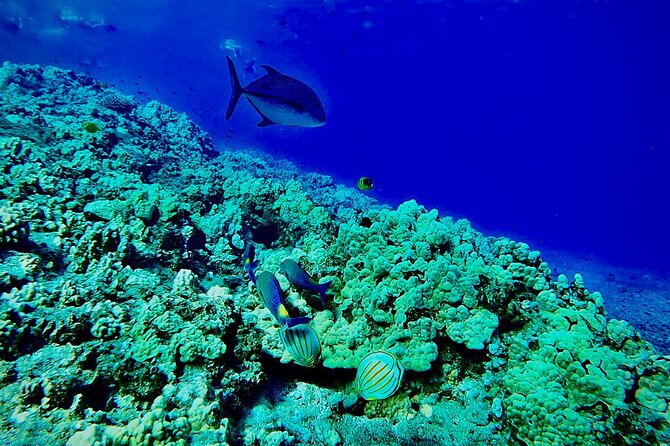
This is not a throw-them-in-and-hope-it-works experience. You’ll get photos taken throughout the tour, and there’s also a wrap-up conversation after you return to shore.
That post-snorkel talk covers what you saw and connects it to ocean conservation—including practical ways people can help keep oceans healthy. Even if you already know basic conservation ideas, it’s nice to hear it tied to what’s right in front of you: turtles, fish, coral structure, and how fragile the reef can be.
There’s also a real “team” vibe described by multiple people. Guides know names, help with gear adjustments, and keep the group cohesive without acting rushed.
Gear and comfort details that actually matter
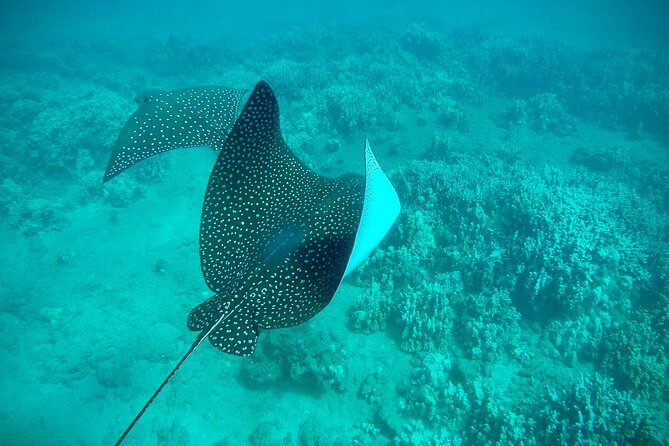
A surprising amount of snorkeling disappointment comes from gear issues. Here, the tour focuses on the opposite.
Included items:
- Snorkeling equipment (cleaned/sanitized)
- Flotation support (including belt-style flotation)
- Reef-safe sunscreen
- Clean sanitized gear
- Photos from the tour
- Snorkeling instruction
People describe the flotation as particularly helpful. One comment contrasts belt flotation with vest-style flotation and says it was more comfortable. Another notes a guide offered additional flotation support for people who needed a break.
Also, it helps that you’re not doing a long boat ride. Multiple comments mention this as better for people who get motion sickness. If you tend to feel queasy on water, a from-shore start is a real advantage.
One more practical note: the ocean can feel different as you spend time out there. At least one person mentioned a guide loaning a wet suit to help a child stay comfortable. That’s not listed as a guaranteed inclusion, so don’t assume it’s always available—but it’s good to know that guides may try to help if someone runs cold.
Weather reality check: when the ocean won’t cooperate
This activity requires good weather. If poor conditions force cancellation, you’ll be offered another date or a full refund.
Even when it is on, calm water can make snorkeling easier, especially for first-timers. If you’re planning this near other beach activities, consider keeping your schedule flexible that morning. When winds kick up or visibility drops, the experience can change quickly—so your best move is to trust the guide and the conditions on the day.
Who this tour is for (and who should skip it)
This tour fits best if you want:
- a reef snorkel with real guidance
- a smaller group pace
- turtle odds with clear instruction
- an easy start from shore in Olowalu
It also fits families. You’ll see that in the way the guides handle nervous beginners and kids, with patience and extra attention to comfort.
Who should be cautious:
- Non-swimmers. The tour notes flotation helps, but basic swimming skills are still required.
- Anyone with limited comfort in open water unless you’re sure you can follow the guide’s instructions and stay calm while moving beyond knee-deep.
Should you book Marine Biologist Guided Snorkel from Shore at Turtle Town?
Yes—if you want a more teacher-led, safer-feeling snorkeling morning and you care about seeing turtles and coral without the hassle of a boat.
I’d especially recommend it if you’re:
- going with kids or beginners
- trying to avoid seasickness
- the kind of person who likes being told what you’re looking at underwater (and why it matters)
Think twice if you’re a non-swimmer or you’re not comfortable with the idea of swimming out from shore. This isn’t a “stand and watch” experience, even though it starts shallow.
If you match the tour’s comfort level, it looks like one of those Maui activities where you leave with both stories and actual photos—plus the satisfaction of knowing what you saw and how to protect it.
FAQ
Do I need to bring my own snorkel gear?
No. Snorkeling equipment is provided, along with flotation and reef-safe sunscreen. Gear is described as clean and sanitized.
How long is the tour?
It runs about 2 hours and ends back at the same meeting point.
Where do we meet?
You meet in Olowalu, at the RC32+RX Olowalu area. The tour also ends back at the meeting point.
Is the tour suitable for beginners?
It’s designed to work for many travelers, including first-timers. You’ll do a snorkel 101 tutorial and start in a shallow sandy area before going toward the reef.
Do I have to be able to swim?
Basic swimming skills are required. It’s not recommended for non-swimmers, even though flotation is provided and the guides support the group.
What if the weather is bad?
The tour requires good weather. If it’s canceled due to poor conditions, you’ll be offered a different date or a full refund.