REVIEW · MAUI
Haleakala Summit Best Self-Guided Bike Tour with Bike Maui
Book on Viator →Operated by Bike Maui AND Haleakala EcoTours · Bookable on Viator
Crater views, then 15 miles of pure downhill. I love the Haleakala summit scenery and the chance to tackle the famous Fabulous 29 switchbacks on a custom Kona bike. The one thing to weigh is that this is not a casual pedal—plan for a long morning in the van and real road riding once you’re out of the crater area.
This is a self-guided format, so you get freedom and no big convoy. I also like that the trip starts with interpretive stories from an NAI certified guide on the drive up—one guide named Kimo stands out for plant-and-animal knowledge plus safety-focused ride guidance. If you prefer step-by-step direction, the self-guided setup can feel like work at times, so you’ll want to be comfortable navigating and making decisions on the fly.
In This Review
- Key highlights you should actually care about
- Entering the experience: Haleakala crater to Haiku in one long day
- The van ride up: cold air, stories, and why the timing matters
- The bike setup: gear that actually helps on a steep descent
- The 15-mile downhill: Kona control and the Fabulous 29 switchbacks
- Self-guided navigation: freedom, plus the skill check
- Makawao and lunch: the upcountry change of pace
- Weather, safety, and road reality on Maui’s roads
- Price and value: what $238.59 buys you in real terms
- Who should book this Haleakala Summit self-guided ride
- Should you book it? My quick decision guide
- FAQ
- How long is the Haleakala Summit self-guided bike tour?
- What time does it start and where is the meeting point?
- How far do I ride downhill on the bike?
- What’s included with the tour?
- What should I bring?
- What fitness level and age requirements apply?
- Is it truly self-guided, and how big are the groups?
Key highlights you should actually care about
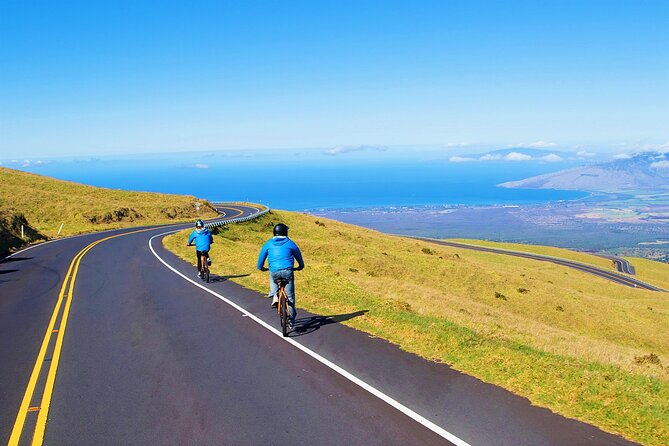
- 6,500 ft start, 15-mile downhill: long downhill time, not just a quick loop.
- Custom Kona mountain bike: built for control on steep descents, not rental cruiser vibes.
- Fabulous 29 switchbacks: the section people remember once the road drops away.
- No convoy, your pace: self-guided means freedom, plus responsibility.
- Makawao Upcountry stop: you transition from volcano riding into small-town Maui flavor.
- Provided riding gear: helmet, Helly Hansen windbreaker top and bottom, and a backpack.
Entering the experience: Haleakala crater to Haiku in one long day
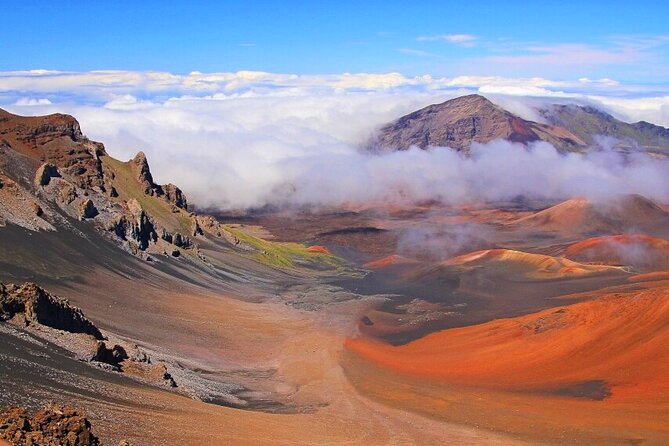
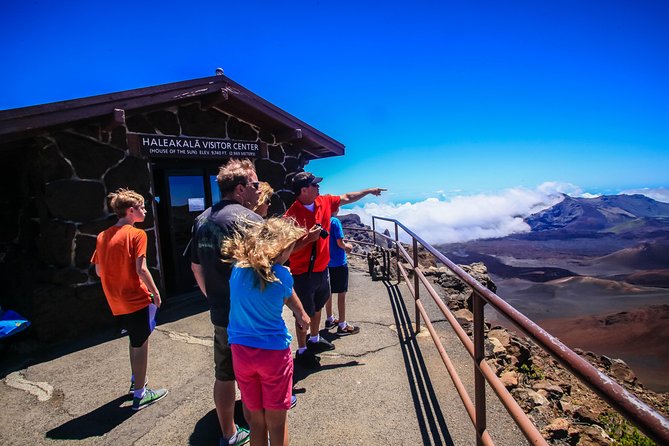
This tour is basically two big parts: first the summit crater area, then a downhill bike ride that drops you from the heights into Maui’s “upcountry” and finally back toward Haiku. You start in Haiku at 8:00 am (810 Haiku Rd) and the ride ends back at the meeting point. The whole day runs about 7 hours, but your mental calendar should not expect all of that time to be spent pedaling—there’s a meaningful chunk of drive time before the bikes even come out.
What makes this work is the balance between awe and adrenaline. You get the most dramatic views on Maui from the crater area, then you transition into real downhill momentum that’s fast, steep, and scenic. It’s a fun mix of photo-stops and action, with a self-guided structure that keeps you from being glued to a slow-moving group.
You can also read our reviews of more cycling tours in Maui
The van ride up: cold air, stories, and why the timing matters
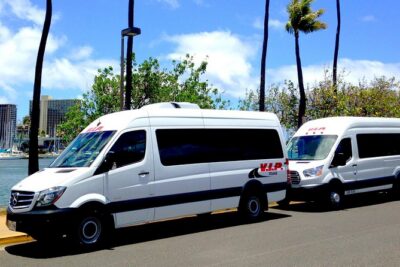
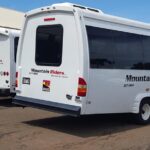
Before you ever touch the pedals, you’re in an air-conditioned vehicle headed to the summit area. That early “getting there” portion is often where people learn whether they’ll enjoy this day. One rider experience called out how much time is spent going up—roughly two hours before biking begins—so if you hate waiting, take that seriously.
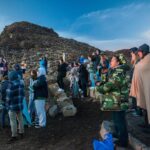
The payoff starts because the guide doesn’t just point out scenery. The interpretive guide shares stories of Hawaiian history and culture on the way up. One guide, Kimo, is specifically praised for knowledge of Maui including plant and animal life, plus clear ride instructions. That matters because when you’re up high and it’s windy and cold, it’s easy to feel like you’re just watching clouds. The commentary helps you connect what you’re seeing to the island.
Also, expect real temperature swing. In at least one account, riders said it started freezing cold and then shifted through rain showers and bright sun. That’s why the included Helly Hansen windbreaker is more than a gimmick. It won’t magically make Haleakala warm, but it helps you last through the summit area without turning the ride into a shivering contest.
The bike setup: gear that actually helps on a steep descent
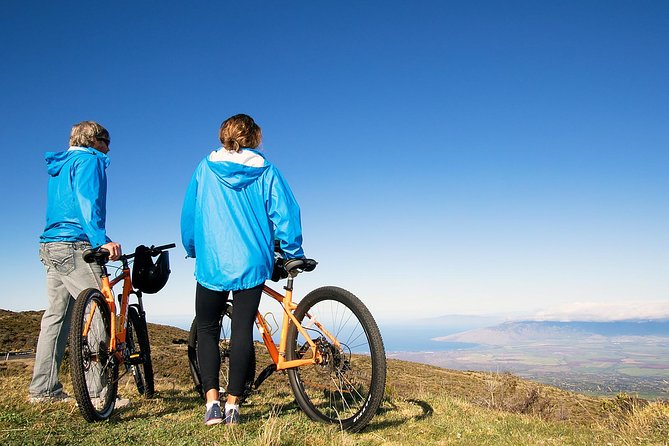
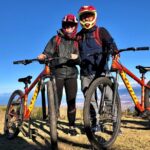
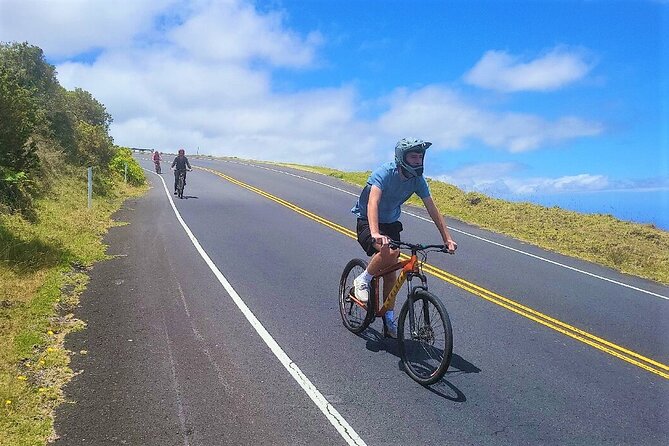
When the bikes arrive, you’ll be on custom Kona mountain bikes. You also get a helmet and a bell, plus a Da Kine backpack. The windbreaker suit top and bottom is included, and that’s a big deal for a summit-to-town ride because the weather can change quickly and the wind on the descent isn’t gentle.
The bike choice is practical: this is a ride that demands control, not just exercise. You’ll be on a mountain-style bike designed for stability on steep, twisty sections. And because the tour is self-guided, having confidence in the bike matters more than you’d think. If you’ve ever borrowed a bike that felt squirrely on a downhill, you’ll appreciate that this is set up for the task.
One more point that matters: you need recent biking experience, and the tour asks for moderate fitness. It also has a minimum age of 15 and a minimum height of 4’10”. If you’re between abilities or you’ve mostly done flat paths, take that seriously. This ride includes steep grades and turns where you’ll need steady braking and smooth handling.
The 15-mile downhill: Kona control and the Fabulous 29 switchbacks
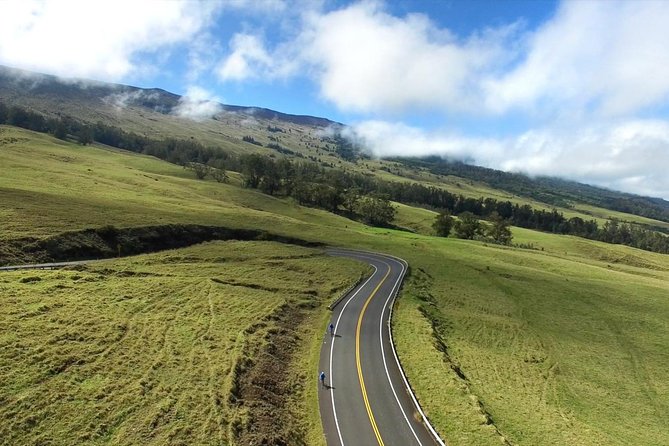
The heart of the tour is a 15-mile downhill ride from about 6,500 ft. After your time in the crater area, the day shifts into momentum. The tour is set up so you don’t ride the entire descent start-to-finish like a permanent punishment. Instead, you shuttle down to a location just above Makawao, then you bike through Makawao’s Upcountry town and continue back toward Haiku.
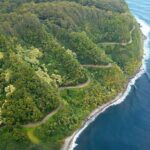
That shuttle-and-ride structure explains why people call this the best part of the day. It gets you onto the steep, fun sections without dragging you through every single mile at the start. And within that downhill experience is the famous Fabulous 29 switchbacks. These are the twisty hairpins that riders mention as the standout moment. This is where you’ll feel the route’s reputation in your arms and legs: it’s thrilling, but also requires focus.
No convoy is another key detail. You ride at your own pace rather than following a line of bikes. That’s great for rhythm—stop when you want, adjust your speed, and avoid the bottleneck effect of big groups. The tradeoff is that you’re more responsible for your spacing, awareness, and decision-making in traffic and on narrower roads.
Also, one review noted that local laws removed a middle portion of the ride in their case. That’s not something you can control, and it’s a reminder that the route may not be identical every day. The good news: the operator is set up to handle the change and still deliver the core downhill experience.
Self-guided navigation: freedom, plus the skill check
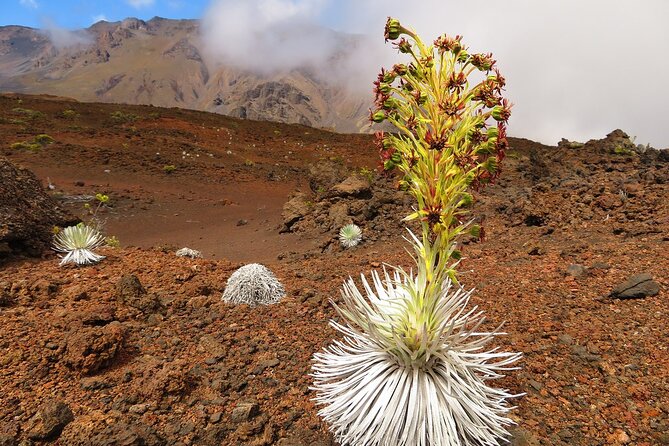
Self-guided is the big selling point here. You’re not trapped in a convoy, and you can enjoy the scenery on your schedule. But self-guided means you need to be an active participant, not a passenger. That’s especially true for a ride that includes road segments outside the most protected crater area.
Some riders said they relied on their phones, like using Google Maps a few times, to double-check directions. That’s a smart move for you too. If your navigation habits are strong, self-guided feels smooth. If your phone battery life is questionable, fix that before you go. Bring your own water and snacks since those are not provided, and plan for the possibility that you’ll need to pull over for a quick orientation check.
The route also has a “not everything is equally bike-friendly” rhythm. One rider described the roads becoming less friendly to bikers once they exited the park area and moved farther away from it. Another mentioned you may need to ride near the edge of the road and stay careful around traffic. Translation: this is not a car-free bike path all the way.
If you’re new to road biking in any kind of mixed traffic, I’d strongly consider switching to a guided option if Bike Maui offers it on your date. In one account, riders were glad they changed from self-guided to guided because the guide could help with safe navigation. If you value instruction more than independence, guided can make the day more enjoyable rather than stressful.
You can also read our reviews of more guided tours in Maui


Makawao and lunch: the upcountry change of pace
After the shuttle above Makawao, you’ll bike through the historic town of Makawao in Maui’s Upcountry region. This is a nice shift after the volcanic views—suddenly you’re in a human-scale town with a different feel than the crater’s high wind and big sky.
Lunch is flexible, and it’s important to plan it yourself. You can enjoy a no-host lunch either in Makawao or in Haiku, and you’ll need a credit card or cash. Since lunch isn’t included, the value of the tour depends partly on what you choose for food. If you’re trying to keep costs down, pick a casual spot and treat lunch as part of the schedule, not something you rush into when you’re already tired.
Then the ride finishes from there down to Haiku. The overall structure is satisfying: summit awe, downhill thrill, town wandering time, then a final pedal toward the meeting point.
Weather, safety, and road reality on Maui’s roads
This is a morning ride with real weather variation. You’ll be at altitude, and that usually means colder air. You’ll likely start cold, then warm up as the day moves forward—unless rain shows up, in which case you’ll feel it in your hands and legs. One rider said they saw all types of weather in one day: freezing cold at first, rain showers, lots of sun, and even sunburn risk.
The included windbreaker helps, but you should still dress for layers and be prepared to adjust. The tour is aimed at travelers with at least moderate physical fitness and recent biking experience. Safety is also treated as a priority by the operator—one rider praised safety and organization, and others highlighted that instructions are part of the experience.
Road sharing is the part you can’t ignore. Some accounts described riding near the edge of the road and being careful of traffic. That doesn’t mean it’s unsafe, but it does mean the ride demands calm focus. Keep your speed matched to conditions, scan ahead for turns and moving vehicles, and don’t assume every driver expects cyclists.
One more practical note: the ride can be exhilarating, and that’s a problem if you overspeed early. Self-guided means no one is constantly pacing you. Start controlled. Save energy for the switchbacks and the sections that require you to brake more than you want to.
Price and value: what $238.59 buys you in real terms
At $238.59 per person for about 7 hours, you’re paying for a premium combo: high-altitude crater time plus a specialized downhill biking experience with included gear and organized transportation.
Here’s the value logic. You’re not just renting a bike. You’re getting custom Kona bikes, a helmet, and a windbreaker suit, plus air-conditioned vehicle transport. You’re also paying for the interpretation component on the drive up, where guides like Kimo add context you won’t get if you just do crater viewpoints on your own.
Then there’s the operational value of handling route issues. One ride noted a middle section being removed due to local laws, and Bike Maui dealt with the situation. If you try to DIY this on your own, you face the same uncertainty—closures, route changes, and navigation headaches—without a professional safety-first setup.
Is it perfect value? It depends on your comfort level with self-guided road riding. If you’ll be anxious navigating, you might feel the time-to-fun ratio is off, especially if you don’t love waiting in the van. But if you’re confident on a bike and enjoy making your own pace, the cost can feel fair for a day that’s both scenic and actively exciting.
Who should book this Haleakala Summit self-guided ride
This tour is a strong fit if you want:
- Big views from Haleakala National Park’s summit area
- A downhill ride that’s more like mountain biking than casual cruising
- Freedom to ride at your own pace without a convoy
- A day plan that includes Makawao and a practical lunch stop
It’s especially good for families with older kids or young adults who can handle the fitness and navigation side. One rider described the ride as likely the best part of their trip for their family, and another said it worked out even when daughters were nervous at first.
You should think twice if:
- You haven’t ridden recently or you’re not confident on roads
- You get stressed by navigation or mixed-traffic riding
- You dislike spending a big chunk of the day in a vehicle before the fun begins
Also, because of the minimum height, age, and “recent biking experience required” rule, this is not the best choice for small teens or anyone coming from only indoor cycling.
Should you book it? My quick decision guide
Book this if you want a classic Maui “crater-to-town” day where the highlight isn’t just scenery—it’s the ride. The provided Kona bikes and windbreaker gear make a big difference, and the shift from crater views to the Fabulous 29 switchbacks to Makawao is a storyline you can feel in your body.
Skip or switch to a guided version if you know self-navigation will make you tense. This ride includes road riding where you need to stay alert, and guided can reduce that mental load. And if your biggest priority is maximizing time on the bike, remember this day includes a long climb by vehicle before the descent.
FAQ
How long is the Haleakala Summit self-guided bike tour?
The tour is about 7 hours (approx.).
What time does it start and where is the meeting point?
It starts at 8:00 am at 810 Haiku Rd, Haiku, HI 96708, USA.
How far do I ride downhill on the bike?
You ride about 15 miles downhill.
What’s included with the tour?
Included items are an air-conditioned vehicle, a custom Kona mountain bike, a bell, a helmet, a Helly Hansen windbreaker suit (top and bottom), a Da Kine backpack, plus all fees and taxes.
What should I bring?
Bring your own water and snacks. Lunch is not included, so you’ll also want a credit card or cash if you stop for no-host lunch.
What fitness level and age requirements apply?
The tour asks for moderate physical fitness and recent biking experience. Minimum age is 15, and minimum height is 4’10’.
Is it truly self-guided, and how big are the groups?
Yes, it’s self-guided with no convoy, so you ride at your own pace. The tour has a maximum of 48 travelers.
If you want, tell me your dates and whether you’re comfortable with road biking, and I’ll help you decide if self-guided is the right fit for your group.