REVIEW · MAUI
Maui: Guided Hike of Haleakala Crater with Lunch
Book on GetYourGuide →Operated by Hike Maui · Bookable on GetYourGuide
Haleakala feels like another planet. This guided hike takes you across both sides of the dormant volcano, from a 10,000-foot cinder-cone summit to an 8,000-foot lava trail, with Maui culture woven in by your live guide. It’s physically demanding, but the payoff is the kind of wide-open altitude you can’t fake.
I love that the day is structured around two different high-elevation environments. The first stretch brings you up to huge cinder cones and big crater views, and the second moves onto a lava trail lined with rare native plant species. Plus, you’re not hiking on empty: bottled water, snacks, and a picnic lunch are included.
One consideration: this is not an easy stroll. The ground can be rocky and slippery at altitude, so it may be too tough for older hikers, people with health limitations, children under 8, or anyone with mobility impairments.
In This Review
- Key highlights worth your time
- Haleakala Crater on Foot: Two Elevations, One Big Day
- Meeting Point Near Kahului: No Hotel Pickup Means Planning
- The 10,000-Foot Summit Leg: Cinder Cones and High-Altitude Views
- The 8,000-Foot Lava Trail: Native Plants on Uneven Ground
- Lunch and Snacks at Altitude: Fuel That Makes the Difference
- What the Guide Adds: Safety Training and Maui Context
- Gear and Clothing: Warm Layers, Athletic Shoes, and Ponchos
- Price and Value at $208: What You Get for a 7-Hour Day
- Who Should Book This Haleakala Crater Hike (and Who Should Skip It)
- Should You Book This Guided Haleakala Crater Hike?
- FAQ
- How long is the Maui guided Haleakala crater hike?
- Do they pick you up from your hotel?
- Where do I meet the group?
- What hikes are included in the day?
- What’s included in the price?
- What should I bring for the hike?
- Does the tour run in most weather conditions?
- Who shouldn’t take this tour?
- Is there a gratuity for large groups?
Key highlights worth your time
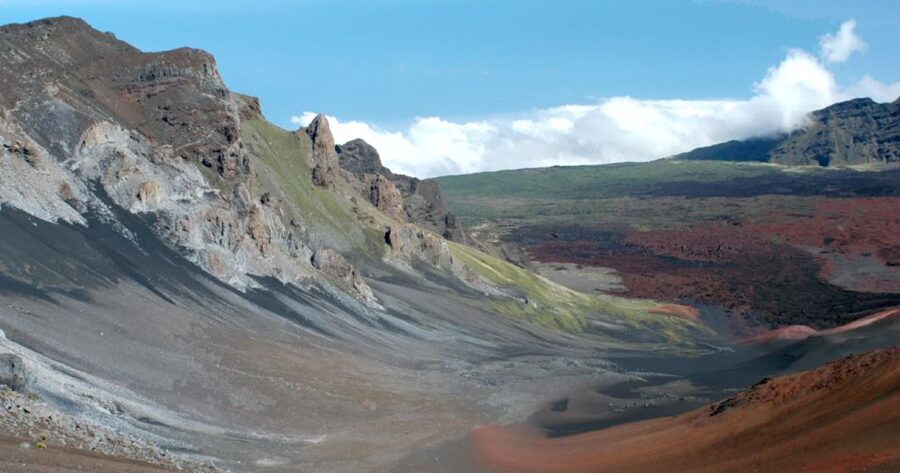
- Two hikes, two elevations: 2 miles to the 10,000-foot summit, then 2 miles at around 8,000 feet
- Alien crater terrain: cinder cones plus a lava trail with rare native plants
- Picnic lunch and snacks included: bottled water helps keep you steady at altitude
- Safety-forward guiding: your guide has advanced CPR, First Aid, and Wilderness Training
- Ponchos and backpacks provided: you’re not arriving totally unprepared
Haleakala Crater on Foot: Two Elevations, One Big Day
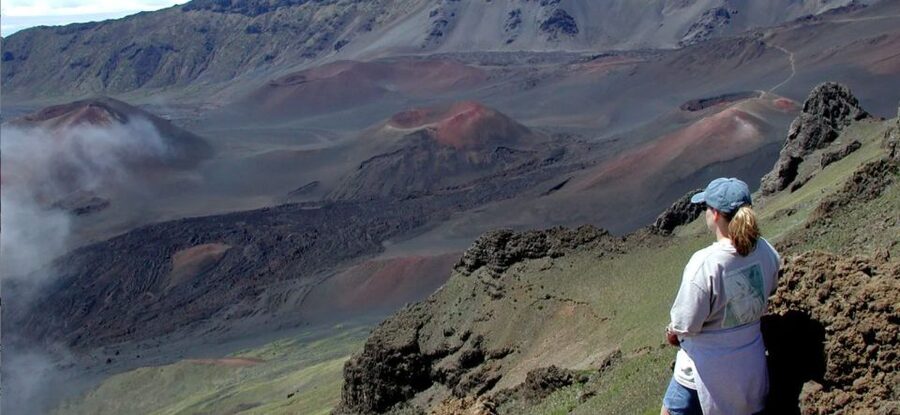
This is the kind of hike that makes Maui feel bigger than beaches. You start high on a volcanic desert of cinder and ash, then shift to a different feel on the lava trail. Even though both legs are only about 2 miles each, the altitude and terrain matter more than the distance.
The best part is that you’re not doing one view and calling it a day. The climb to the summit gives you a sense of scale inside Haleakala Crater, where the ground looks built for movie sets. Then you keep going toward the next section at roughly 8,000 feet, where the trail edges into more specific natural details, including rare native plants you’re unlikely to notice on your own.
The tour also leans into meaning, not just motion. You learn about Maui’s heritage and culture from the guide, and that context helps the scenery land differently. Instead of treating it like a scenic hike, you start reading the crater like a living place with a story.
You can also read our reviews of more guided tours in Maui

Meeting Point Near Kahului: No Hotel Pickup Means Planning
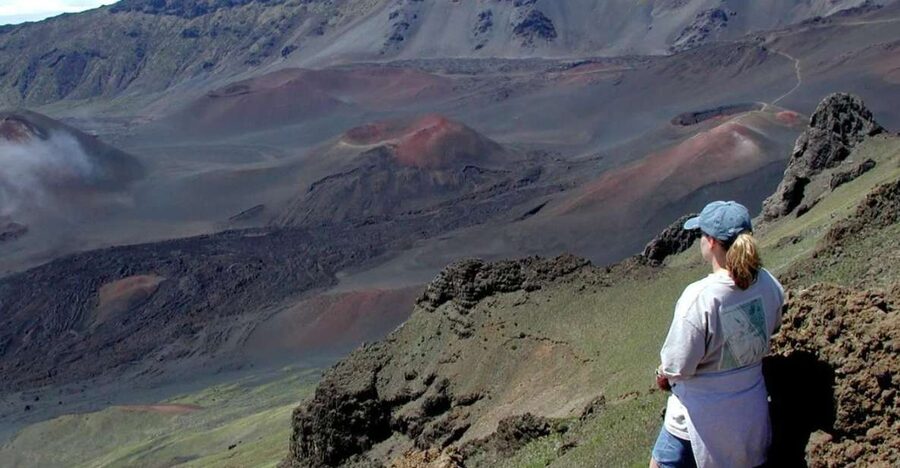
Hotel pickup and drop-off aren’t included, so you’ll want to handle your own timing and ride. The meeting point is at the intersection of highways 311 and 380, in front of a large concrete wall with a single row of parking facing Hwy 380 west of Hwy 311, just before entering Kahului.
Practically, this matters because Haleakala-area days often start early and can be affected by traffic, lighting, and weather. Give yourself a buffer so you’re not rushing in cold air at altitude, hunting for the right parking spot.
If you’re staying near Kahului, you’ll likely find it straightforward to get there. If you’re based farther out, plan a reliable way to reach the meeting point and back afterward.
The 10,000-Foot Summit Leg: Cinder Cones and High-Altitude Views
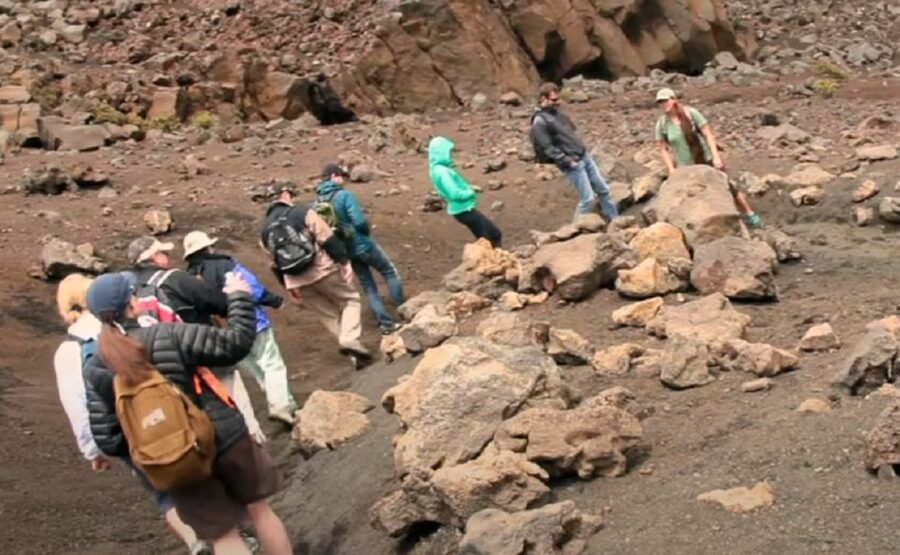
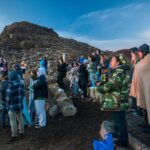
The first hike is about 2 miles up to the 10,000-foot summit. You’ll be walking through terrain dominated by huge cinder cones, which is exactly why this hike feels so alien. Cinder and volcanic formations don’t behave like normal trails, and your footing needs attention.
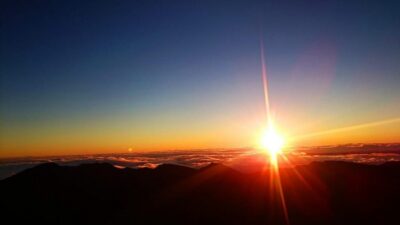
Why this leg is special: the summit area is where you really see the crater as a whole system. On a clear day, the surroundings can feel like they stretch forever, and you get that rare “above the clouds” feeling described in the tour experiences you can look at later when you’re deciding.
What I’d watch for: this is high elevation, and “only 2 miles” can still feel like a lot. Your pace will depend on your comfort with steep, uneven ground. Pack warm clothing no matter what the weather seems like at sea level. The summit can be noticeably colder and windier than you expect.
Also, listen when the guide points out what’s around you. The summit experience isn’t just photo spots. The guided stops are meant to help you notice rare natural wonders tied to the volcanic setting.
The 8,000-Foot Lava Trail: Native Plants on Uneven Ground
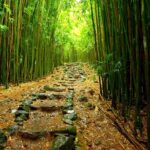
After the summit, you switch to a second 2-mile hike on a lava trail around 8,000 feet. Here, the emphasis shifts from big crater scale to more detailed ecology—specifically, native plant life that’s adapted to this harsh volcanic environment.
What you gain from this leg: it adds variety to the day. Instead of repeating the same scenery, you’re walking a different surface and learning to spot different kinds of survival strategies. The tour is designed to keep your attention moving forward as the terrain changes.
How to think about difficulty: the lava trail can be rocky, and at elevation that can mean slippery patches. One helpful caution from the experiences people have shared: if you’re older or you’re not athletic, this is the part that may feel harder because of footing challenges.
If you have any mobility constraints, this is also the leg where careful steps matter most. The tour’s own suitability notes say it’s not for people with mobility impairments, and that’s a big clue that the trail isn’t built for assistance devices.
Lunch and Snacks at Altitude: Fuel That Makes the Difference
You’ll get bottled water plus snacks and a picnic lunch during the hike. That sounds simple, but on a mountain day it’s the difference between finishing strong and feeling run down.
At high elevation, you tend to work harder just to move at a normal pace. Having water and food already planned means you don’t have to guess what you’ll need or fumble with extra stops. It also lets the guide keep the group on schedule without turning the hike into a logistics problem.
Tip: treat the lunch as part of the hike, not a break from it. Eat when it’s offered, not when you’re already depleted. If you’re the type who gets quiet when you’re low on energy, you’ll likely appreciate the steady rhythm built into the day.
A few more Maui tours and experiences worth a look


What the Guide Adds: Safety Training and Maui Context
The tour’s guiding is more than “point and talk.” You’re working with a professional guide who has advanced CPR, First Aid, and Wilderness Training, plus a permit for hiking in the National Park. That matters because this isn’t a flat paved path. Altitude and volcanic terrain add real safety considerations.
I also like that Maui’s heritage and culture are built into the experience. Learning doesn’t happen in a lecture hall here. It’s tied to what you’re looking at and walking through, which makes the cultural layer feel relevant instead of tacked on.
From the experiences shared, guides like George have been described as helpful and considerate of limitations, with constant attention to safety. Another guide described as William was praised for making sure the experience stays enjoyable while still being safety-focused. Even if your guide isn’t one of those names, the certification and training details show you’re not relying on someone with only casual hiking experience.
Gear and Clothing: Warm Layers, Athletic Shoes, and Ponchos
The tour gives you ponchos and backpacks, which is a nice support when you’re traveling. Still, you’re responsible for bringing the right clothing.
Bring:
- Warm clothing
- Sports shoes
Here’s the practical angle: warm clothing isn’t just about comfort. At 10,000 feet, your body can feel the cold quickly, especially with wind and changing weather. Sports shoes are equally important because this hike asks for grip on rocky, uneven surfaces.
If you’re used to sandals or trail sneakers with weak soles, this is the day to switch to something you trust. Your safety depends on traction more than style.
Price and Value at $208: What You Get for a 7-Hour Day
At $208 per person for about 7 hours, the cost can feel steep until you look at what’s included. This price covers a live guide, the guided experience in a National Park area (with permit), and the practical essentials: bottled water, snacks, picnic lunch, ponchos, and backpacks.
What you should weigh in your value calculation:
- You’re paying for guided safety in a higher-risk environment
- You’re paying for food and gear support, which reduces what you’d otherwise have to carry or buy
- You’re not paying for hotel pickup, so you’ll need to factor transportation to the meeting point
For me, the best value signal is the combination of training plus included supplies. If you’ve ever tried to do altitude hikes solo, you know how quickly “just bring water” turns into “now I need a lunch plan, rain coverage, and a realistic plan for the terrain.” This tour handles those basics.
Who Should Book This Haleakala Crater Hike (and Who Should Skip It)
This hike fits best if you:
- Can handle steep, rocky terrain and careful footing
- Are comfortable hiking at 10,000 feet and around 8,000 feet
- Want a guided day that mixes Maui cultural context with volcanic scenery
- Like a full morning-to-afternoon outing with lunch included
It’s not suitable if:
- You have mobility impairments, based on the tour’s own suitability guidance
- Your child is under 8 years
- You know you struggle on slippery surfaces or you have health limits that make uneven footing risky
One more reality check: even when the day is described as amazing and beautiful, the difficulty still comes down to your comfort on rocky ground at altitude. If you’re unsure, it’s worth choosing a more gentle option rather than treating this as a “push through and see” plan.
Should You Book This Guided Haleakala Crater Hike?
Yes, if you want a structured crater experience with real guiding, included food, and a safety-trained team. The two-leg format is a strong reason to book: you don’t just hit one viewpoint, you walk through different volcanic terrain and learn what you’re seeing along the way.
No, if you’re looking for an easy hike, have mobility challenges, or you don’t feel confident with slippery rocky surfaces. In those cases, the day will feel stressful rather than rewarding.
If you’re deciding, I’d treat this as an altitude adventure first, a sightseeing trip second. If that matches your style, Haleakala can deliver one of the most memorable guided hikes on Maui.
FAQ
How long is the Maui guided Haleakala crater hike?
The tour lasts 7 hours.
Do they pick you up from your hotel?
No. Hotel pickup and drop-off are not included.
Where do I meet the group?
Meet at the intersection of Highways 311 and 380, in front of a large concrete wall with a single row of parking facing Hwy 380 west of Hwy 311, just before entering Kahului.
What hikes are included in the day?
You’ll do two hiking legs: about 2 miles to a 10,000-foot summit, then about 2 miles on a lava trail around 8,000 feet.
What’s included in the price?
Included items are bottled water, snacks, picnic lunch, backpacks, and ponchos.
What should I bring for the hike?
Bring warm clothing and sports shoes.
Does the tour run in most weather conditions?
Yes. The tour runs in most weather conditions, but it may be altered if safety issues arise.
Who shouldn’t take this tour?
It is not suitable for children under 8 and for people with mobility impairments.
Is there a gratuity for large groups?
Yes. For parties of 10 or more, a gratuity of $250 will be collected before the trip.